
Did you know that the French Riviera enjoys over 300 days of sunshine a year? That single fact explains a lot.
The light here feels different, softer in the mornings and golden by late afternoon, and it has been drawing artists, writers, and travelers for more than a century.
But the Riviera is not just about glamour or postcard views. It is a stretch of coastline where everyday life, old traditions, and quiet luxury exist side by side.
If you are planning a trip and want more than surface level highlights, this guide will walk you through the region with a sense of rhythm, balance, and real-world travel insight.
Understanding the French Riviera Beyond the Gloss
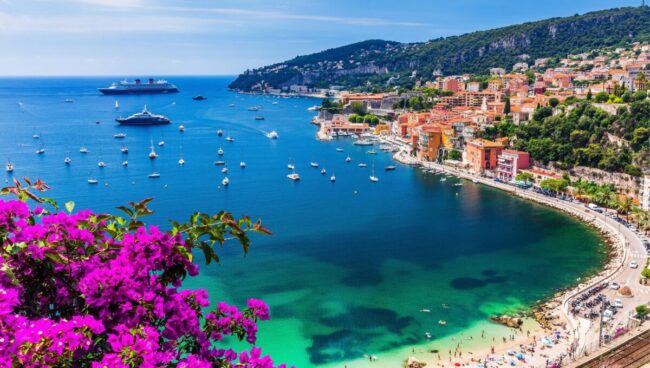
The French Riviera, or Côte d’Azur, runs from Menton near the Italian border to Saint-Tropez and sometimes beyond, depending on who you ask.
What makes it special is not one landmark, but the way landscapes change quickly. One moment you are in a buzzing seaside city, the next in a medieval hill town above the coast.
Travel here rewards curiosity and slower pacing.
Many first-time visitors underestimate how varied the Riviera is. It is not a single destination, but a collection of places with distinct personalities.
Some key contrasts you will notice:
- Busy urban centers like Nice with local markets and daily routines.
- Refined resort towns such as Cannes and Antibes.
- Quiet villages perched above the sea, often overlooked by rushed itineraries.
Understanding this variety helps you plan days that feel rich rather than rushed.
Experiencing the Coastline From the Water
Seeing the Riviera from the sea gives you a completely different perspective. The coastline curves gently, revealing hidden coves, dramatic cliffs, and quiet swimming spots that are hard to reach by land.
For many travelers, spending time on the water becomes a highlight rather than an add-on.
In Cannes especially, coastal access is woven into the rhythm of daily life and leisure. A well planned yacht rental Cannes experience allows travelers to explore nearby islands like the Lérins, anchor for lunch in calm turquoise water, or simply enjoy the coastline without crowds.
This approach feels natural here, not extravagant, because maritime culture has always shaped how people move and relax along this coast.
Did you know? The Îles de Lérins have been inhabited since Roman times, and the fortified monastery on Saint-Honorat is still active today.
Iconic Riviera Towns and How They Differ
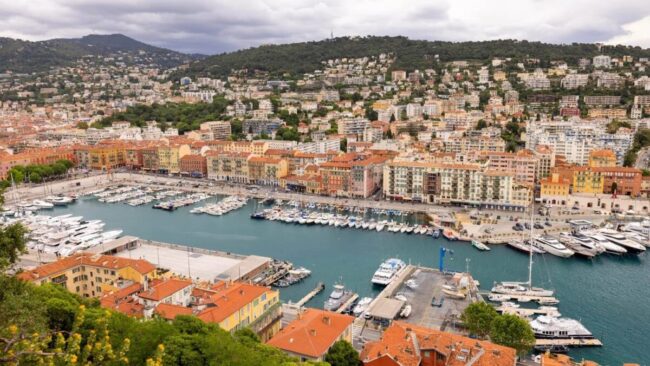
Each major town along the Riviera has its own pace and priorities, which is why choosing a base matters. Nice feels lively and practical, Cannes polished and event-driven, while Antibes blends historic charm with a working harbor.
To help clarify the differences, here is a simple overview:
| Town | Best For | Atmosphere | Ideal Stay Length |
| Nice | Culture, food, local life | Energetic and open | 3 to 4 days |
| Cannes | Beaches, events, boating | Refined, social | 2 to 3 days |
| Antibes | History, marinas, balance | Relaxed, authentic | 2 to 3 days |
Choosing one main base and visiting others on day trips often creates a smoother experience than changing hotels too frequently.
Hilltop Villages That Slow You Down
Above the busy coastline, the Riviera reveals a quieter side. Hilltop villages such as Èze, Gourdon, and Saint-Paul-de-Vence offer narrow stone streets, open views of the Mediterranean, and a slower sense of time.
These places are not designed for speed, and that is exactly the point.
Walking through these villages feels intimate. Small bakeries, local art studios, and shaded terraces invite pauses rather than schedules. Even a short visit can reset the pace of your trip.
Travel tips for visiting hill villages:
- Go early in the morning or later afternoon to avoid tour buses.
- Wear good walking shoes, streets are steep and uneven.
- Plan one village per half day to avoid fatigue.
These villages add depth and contrast to any Riviera itinerary.
Beaches: What to Expect and How to Choose
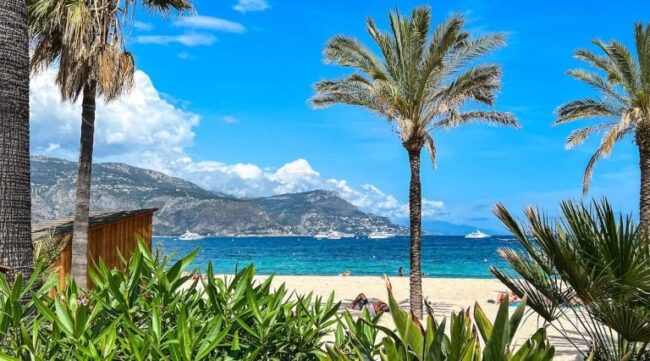
The Riviera’s beaches are beautiful, but they may surprise first-time visitors. Many are pebble beaches rather than sandy, which keeps the water clear and intensely blue.
Public beaches are plentiful, while private beach clubs offer comfort and services at a price.
Choosing the right beach depends on your priorities. Some travelers want convenience and atmosphere, others value space and quiet.
Common options include:
- Public beaches in Nice and Antibes for easy access.
- Private clubs in Cannes for loungers and dining.
- Smaller coves near Cap d’Antibes for swimming and snorkeling.
Bring water shoes if you plan to swim often. It makes a noticeable difference on pebble shores.
Food Culture and Daily Eating Habits
Food on the French Riviera reflects its geography. Mediterranean ingredients dominate, with olive oil, tomatoes, seafood, and herbs forming the backbone of local dishes. Meals feel lighter than in other parts of France, yet still deeply satisfying.
Daily eating habits also follow a rhythm. Lunch is often unhurried, especially away from tourist centers, while dinners start later and stretch into the evening. Markets play a central role, both for locals and travelers who want to eat well without formal dining every night.
In smaller harbors and family-run restaurants, freshly caught fish is prepared with very little intervention, usually olive oil, herbs, and heat. A well made and enjoyed outdoors grilled fish dish often arrives whole and paired with local vegetables or a glass of chilled white wine. It is less about presentation and more about timing, catching the moment when food, setting, and appetite align naturally.
Look for these regional staples:
- Socca, a chickpea flatbread popular in Nice.
- Salade niçoise made with simple, fresh ingredients.
- Grilled fish served with vegetables and olive oil.
Eating like locals often leads to the most memorable meals.
Getting Around Without Stress
Transportation along the Riviera is efficient but requires a bit of planning. Trains run frequently along the coast and are often the fastest way to move between major towns.
Buses reach hill villages and inland areas, though schedules can be less predictable.
Renting a car makes sense if you plan to explore villages or travel outside peak summer months. In high season, traffic and parking can add unnecessary stress, especially in popular coastal towns.
A balanced approach often works best:
- Use trains for coastal travel.
- Use buses or taxis for short inland trips.
- Rent a car only for specific days if needed.
This flexibility keeps your itinerary smooth and adaptable.
Best Time to Visit for Comfort and Atmosphere
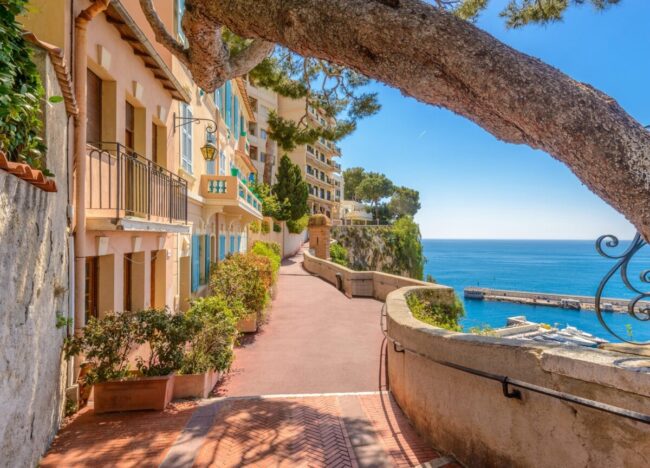
The Riviera changes dramatically with the seasons. Summer brings energy, festivals, and crowded beaches, while spring and early autumn offer warm weather without the intensity. Winter is quieter, with fewer tourists and a more local feel.
For many travelers, May, June, and September provide the best balance. You still enjoy long days and pleasant temperatures, but with more breathing room.
Important note: July and August are peak months, with higher prices and limited availability, especially near major events.
Planning around these seasonal shifts can significantly improve your overall experience.
A Thoughtful Way to End Your Riviera Journey
The French Riviera leaves a lasting impression not because it overwhelms, but because it layers experiences gently.
One day might be spent wandering a hill village, the next swimming off a quiet cove, followed by a long dinner as the sun sets behind the harbor.
When travelers allow space for these contrasts, the region feels generous rather than crowded.
As you plan your trip, focus less on seeing everything and more on choosing experiences that match your pace and curiosity.
The Riviera rewards attention, patience, and a willingness to slow down. When you travel that way, it stops being just a famous destination and starts feeling like a place you are truly connected with.