
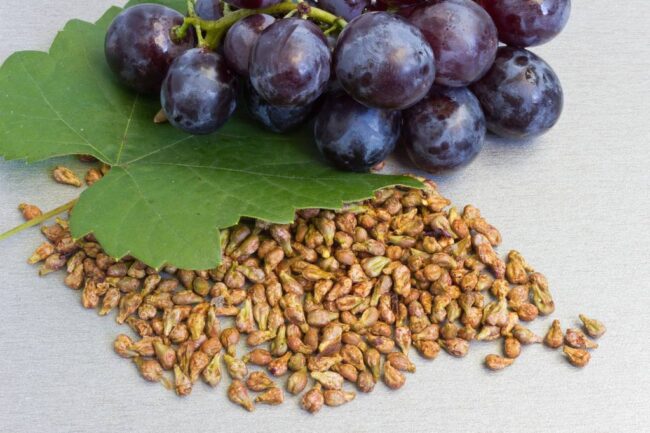
Grape seed extract is a natural compound extracted from grape seeds, a byproduct of the winemaking process. The extraction typically involves grinding the grape seeds into a fine powder, followed by the use of solvents or supercritical carbon dioxide to draw out the active constituents.
What is Grape Seed Extract?
The most valuable active components in grape seed extract are a group of polyphenolic compounds known as proanthocyanidins, particularly oligomers such as proanthocyanidin B2 and proanthocyanidin C1. These compounds belong to a subclass of flavonoids and are noted for their potent antioxidant properties. Additionally, the extract contains various other polyphenols including catechins, epicatechins, and gallic acid, which together form the bioactive foundation of grape seed extract.
The discovery and application of grape seed extract reflect humanity’s deepening understanding of natural products. In the mid‑20th century, French scientist Dr. Jack Masquelier first systematically studied the proanthocyanidins in grape seeds and identified their protective effects on blood vessels. Since then, this once‑neglected agricultural byproduct gradually moved to the forefront of nutritional health.
Today, grape seed extract is produced under standardized conditions; many products specify proanthocyanidin content, with 95% being a common standardized level. It is available in various forms such as capsules, tablets, powder, and liquid to suit different user preferences.
Multiple Benefits of Grape Seed Extract
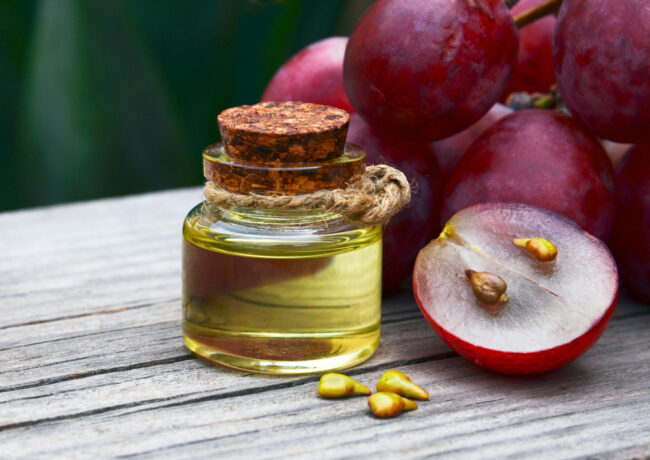
Thanks to its unique chemical composition, grape seed extract exhibits a range of biological activities, primarily through its antioxidant, anti‑inflammatory, and vascular‑protective mechanisms.
1. Powerful Antioxidant Effect
Grape seed extract is rich in proanthocyanidins, natural antioxidants whose capacity is reported to be 20 times that of vitamin C and 50 times that of vitamin E. This antioxidant action is expressed not only through direct free‑radical scavenging but also by enhancing the activity of endogenous antioxidant enzyme systems such as superoxide dismutase (SOD) and glutathione peroxidase. This strong antioxidant capability helps protect cell membranes, proteins, and DNA from oxidative damage, thereby contributing to delaying cellular aging and reducing the risk of chronic diseases.
2. Cardiovascular Health Support
Research indicates that grape seed extract may help:
- Lower blood pressure, especially in individuals with prehypertension
- Improve blood vessel elasticity and promote healthy circulation
- Reduce the oxidation of LDL (“bad” cholesterol), a key factor in atherosclerosis
Clinical observations suggest that after 8–12 weeks of continuous supplementation, many prehypertensive individuals experience reductions in systolic and diastolic blood pressure of approximately 5–10 mmHg and 3–6 mmHg, respectively, along with improvements in vascular elasticity markers.
3. Skin Health and Beauty
The benefits for skin health and appearance stem largely from grape seed extract’s protective effects on skin structure. It can:
- Inhibit the activity of elastase and collagenase, thereby slowing the degradation of these important skin proteins
- Promote fibroblasts to synthesize more collagen and elastin
- Provide UV protection and reduce signs of photoaging
- Improve skin hydration and overall appearance
4. Anti‑inflammatory Effects
Proanthocyanidins possess natural anti‑inflammatory properties. These effects make the extract potentially useful as an adjunct in managing chronic inflammatory conditions such as osteoarthritis and rheumatoid arthritis.
5. Cognitive Function Protection
Some preliminary studies suggest that grape seed extract may help protect the brain from oxidative damage and support cognitive function.
6. Blood Sugar Regulation
Limited animal studies indicate that grape seed extract may improve insulin sensitivity, though human research remains insufficient.
Potential Side Effects and Precautions
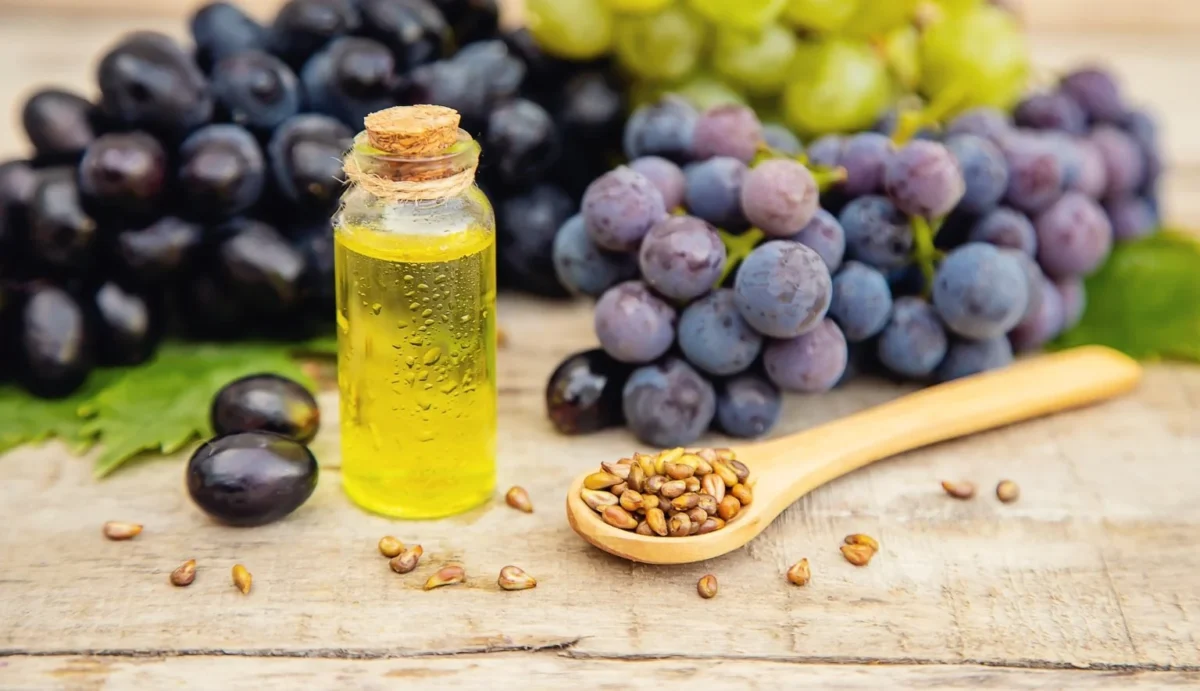
Although grape seed extract is generally considered safe, the following potential issues should be noted.
Common mild side effects:
- Headache
- Dizziness
- Nausea
- Itchy scalp
- Indigestion
Special caution is required regarding drug interactions. Grape seed extract may interact with the following medications:
- Grape seed extract may affect the activity of hepatic enzymes CYP3A4, CYP2C9, and CYP2D6, thereby altering the metabolism rate of various drugs.
- When combined with anticoagulants such as warfarin, aspirin, or clopidogrel, it may enhance the anticoagulant effect and increase bleeding risk.
- Concurrent use with antihypertensive drugs could lead to an excessive drop in blood pressure.
- It may influence blood concentrations of immunosuppressants.
- Safety when used alongside chemotherapy drugs has not been adequately validated, and theoretical interference is possible.
- Interactions with antidepressants, anticonvulsants, statins, and other medications are also possible. Therefore, individuals taking prescription drugs must carefully assess the risks before use.
Precautions for specific groups:
- Pregnant and breastfeeding women: Due to insufficient research, it is recommended to avoid use.
- Patients before surgery – May increase bleeding risk; it is advised to discontinue use at least two weeks prior to surgery.
- Individuals with bleeding disorders – May increase bleeding tendency.
Allergic reactions:
Although rare, some people may experience allergic reactions to grape seed extract, especially those who are allergic to grapes themselves.
When to Consider Using Grape Seed Extract?
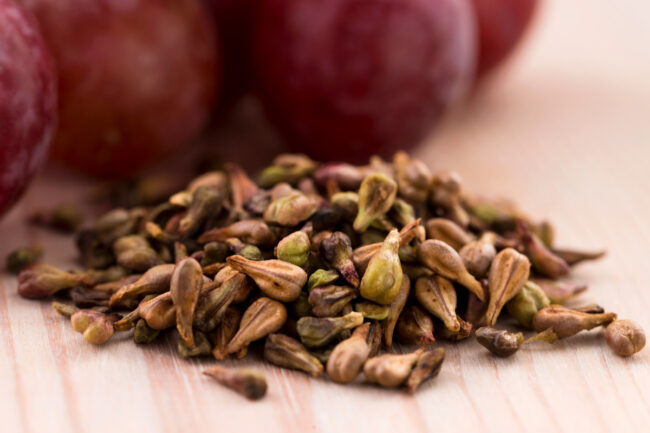
You may consider using grape seed extract when seeking additional antioxidant support. This is particularly applicable to:
- Individuals regularly exposed to environmental pollution and ultraviolet radiation
- Smokers or those with long‑term exposure to secondhand smoke
- Middle‑aged and older adults wishing to delay signs of skin aging
Those at cardiovascular risk may also benefit, including:
- People with prehypertension
- Middle‑aged and older adults looking to improve vascular health
- Individuals with a family history of cardiovascular disease who have not yet developed the condition
Groups focused on skin health may consider it as well, such as:
- Those wishing to improve skin elasticity and reduce wrinkles
- People frequently exposed to sunlight
- Individuals with dry or easily damaged skin
Additionally, it may be used as an adjunct approach by:
- Patients with chronic inflammation, such as mild arthritis
- Individuals with chronic venous insufficiency
- Those concerned about cognitive function, especially middle‑aged and older adults with a family history of cognitive decline, and middle‑aged individuals aiming to maintain brain health.
Conclusion
As a natural antioxidant, grape seed extract offers a potential option for modern individuals to address oxidative stress and promote overall health. Its diverse benefits, from cardiovascular support to skin care, have attracted widespread attention.
However, as with any supplement, wise use is essential. Understanding its potential side effects and drug interactions, and combining this knowledge with personal health conditions and medical advice, can help maximize its benefits while minimizing risks.
Nature provides us with many health resources, and grape seed extract is undoubtedly one of them. Yet on the path to wellness, balance, caution, and comprehensive consideration remain the wisest compass.