
Good backyard seating ideas are rarely about buying more furniture. They are about defining purpose. When you divide your yard into clear zones for dining, lounging, and fire, the entire space starts to function better. Movement feels natural. Conversations happen more easily. Even smaller gardens feel organized instead of crowded.
Creating zones gives your yard visual structure and practical flow. Instead of one open area competing for attention, each section supports a specific activity. That structure improves comfort and makes the space easier to use every day, not just on special occasions.
Dining Zone: Practical and Anchored
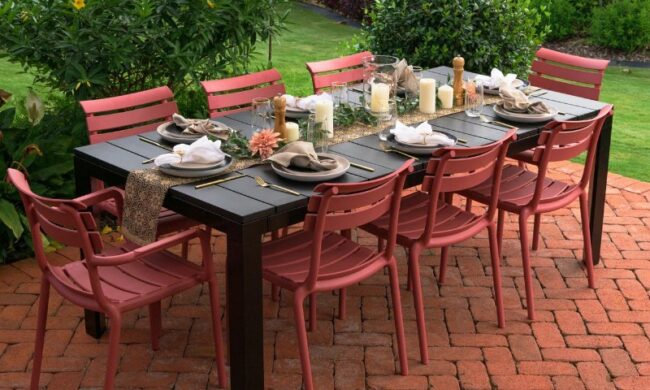
The dining zone should feel grounded and convenient. Position it close to the house or grill so you are not walking across the yard with hot plates. Shorter travel distance means better flow and fewer interruptions during meals.
Surface stability matters here. A firm patio, pavers, or well-built deck prevent table wobble. If you are planning a deck build, materials like composite decking offer practical advantages. With hollow and solid options, reversible finishes, and multiple colours, the surface stays durable without demanding constant maintenance.
Clearance is simple to remember. Allow enough space to comfortably pull chairs back and walk behind them. A compact round table often works better in tight yards than a large rectangular one.
To keep the dining area functional, focus on:
- Placing it within easy reach of the kitchen or grill
- Providing overhead shade through a pergola or umbrella
- Adding subtle lighting for evening meals
When the dining zone is anchored properly, the rest of your backyard seating ideas fall into place more easily.
Lounging Zone: Relaxation and Flexibility
A lounging zone should invite conversation. Instead of lining chairs against a wall or fence, arrange seating to face inward. Even two chairs angled toward each other create a natural discussion area.
Modular seating works well if you like rearranging the space. It allows flexibility for larger gatherings. Fixed benches can be useful along boundaries, but they should not dominate the layout. Leave open pathways so people can move without stepping around obstacles.
Soft elements improve comfort without overwhelming the space. Outdoor rugs help visually define the zone. Cushions add comfort but should be weather-resistant and easy to store.
To avoid overcrowding, follow a simple rule. Place only what you regularly use.
Functional seating prioritizes movement and comfort over filling every corner.
A lounging zone should feel open and breathable. Backyard seating ideas succeed when relaxation does not compete with circulation space.
Fire Zone: Focal Point and Safety
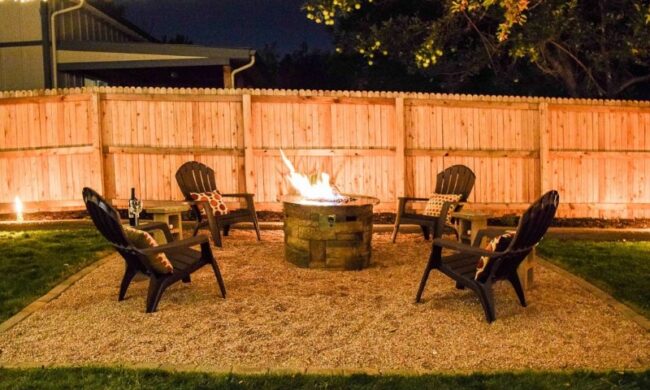
A fire zone naturally becomes a gathering point. Chairs arranged in a circle or semi-circle encourage shared attention without forcing anyone to lean awkwardly.
Safe spacing is practical, not complicated. Leave enough distance between the fire feature and nearby structures. Avoid placing it under low branches or directly against fences. Hard surfaces such as stone, concrete, or decking rated for fire resistance provide a stable base.
There are two main types to consider:
| Option | Advantages | Best For |
| Built-in fire pit | Permanent focal point, integrated look | Larger yards |
| Portable fire pit | Flexible placement, budget-friendly | Small to mid-sized spaces |
Portable options allow you to adjust the layout as needed. Built-in designs offer structure but require more planning.
Backyard seating ideas that include a fire zone should balance warmth, safety, and clear walking paths. Comfort always comes first.
How to Connect Zones Without Clutter
Separate zones should feel distinct but connected. Clear transitions help people understand how to move through the yard without confusion.
Material changes are effective. A dining area on decking can transition into a gravel path that leads to a lounge space. Low planting borders or planters can define edges without blocking views.
Lighting also plays a role. Use subtle ground lights or string lights to guide movement between areas. Avoid harsh brightness that competes with conversation or relaxation.
Visual continuity matters because it keeps the yard from feeling fragmented. Repeating one or two materials across zones creates cohesion. Keep colour palettes consistent so the space reads as one environment rather than three separate setups.
Well-planned backyard seating ideas use transitions to maintain flow while preserving each zone’s purpose.
Layout Tips for Small Backyards
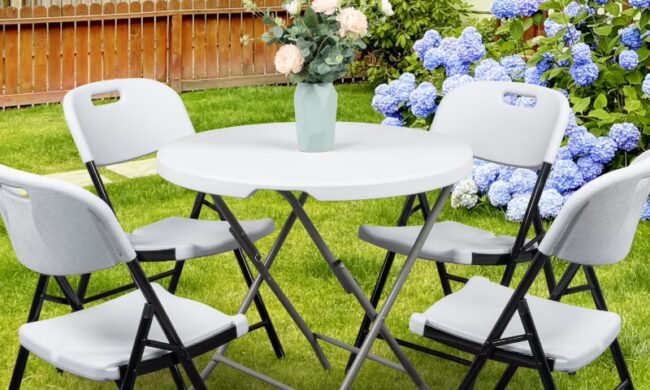
Limited space does not mean limited function. It simply requires combining roles. A dining table can double as a workspace. A bench with storage can serve both lounging and practical needs.
When space is tight, consider multi-use solutions:
- Folding chairs that store easily
- Benches with built-in storage
- Fire tables that function as coffee tables
Keep proportions realistic. Oversized sectionals often overwhelm compact yards. Instead, choose scaled-down furniture that leaves visible floor space. That open ground area prevents the yard from feeling cramped.
In smaller layouts, clear sightlines are essential. Avoid tall barriers that divide the yard visually. Backyard seating ideas for compact spaces should prioritize flexibility and maintain clear circulation paths.
Common Mistakes in Backyard Seating Layout
Even well-intentioned designs can fail when practical details are overlooked. Overfurnishing is one of the most common mistakes. Too many chairs or tables make movement awkward and reduce comfort.
Blocking sightlines can also shrink the perceived size of a yard. Large structures placed in the center interrupt visual flow. Keep heavier elements closer to edges when possible.
Poor traffic flow creates frustration. Always imagine how someone moves from the house to the dining area, then to the lounge, then to the fire zone. Each path should feel intuitive.
Sun exposure is another overlooked factor. A dining area without shade may be unused during midday. A lounging area placed in full afternoon sun can feel uncomfortable.
Backyard seating ideas work best when tested against real-life use. Walk through the layout before finalizing it.
Conclusion
Backyard seating ideas are most successful when they are organized into clear zones for dining, lounging, and fire. Defining purpose improves flow, comfort, and visual structure without requiring a large budget.
Thoughtful spacing, practical materials, and balanced proportions create a yard that feels intentional.
When each zone supports how people actually move and gather, outdoor spaces become more usable and comfortable in everyday life.