
Clear aligners generally need to be worn for 20 to 22 hours a day, including overnight. That leaves two to four hours for meals, drinks other than water, brushing, and flossing. Consistent wear helps teeth move as planned and limits treatment delays.
The Daily Wear Target
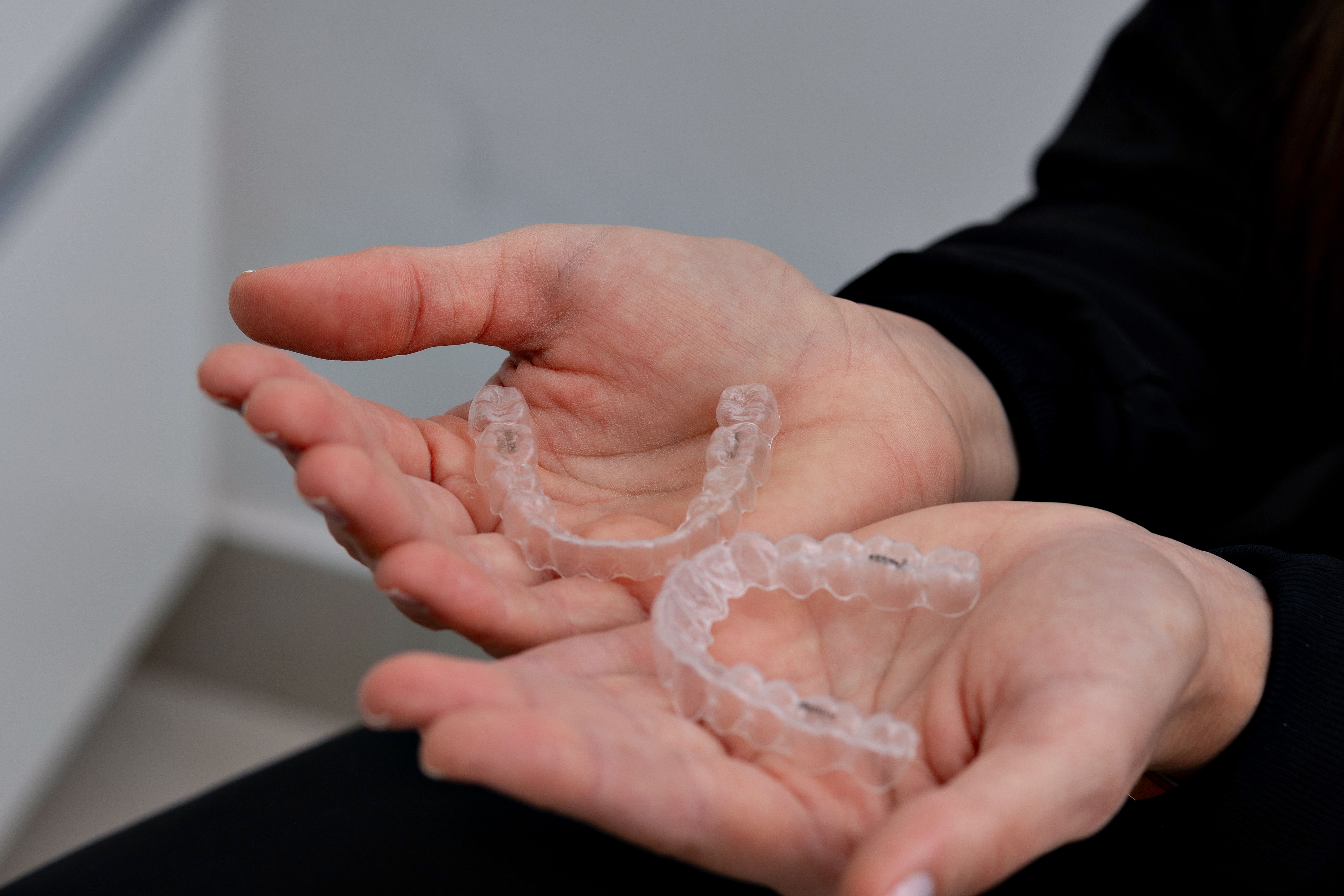
Patients should wear clear aligners for approximately 20 to 22 hours daily. The trays should remain in place during work, school, errands, and sleep, then come out for eating, drinking anything besides water, brushing, and flossing.
This schedule gives each aligner enough time to apply its planned pressure. Removing trays for long periods reduces that pressure and can slow progress. Patients should follow the wear schedule provided for their individual treatment plan.
People researching Invisalign in Las Vegas often want treatment that fits meals, work, school, and personal routines. Clear trays stay nearly invisible during conversations and photographs, while their removable design allows normal brushing and flossing. A consultation determines whether aligners suit the patient’s crowding, spacing, or bite concerns and establishes the daily schedule required for that case.
Why Consistent Wear Matters
Each aligner controls a specific stage of tooth movement. Patients generally switch trays after one or two weeks, depending on their dentist’s instructions.
Repeated shortfalls may prevent teeth from tracking as planned. A new aligner can then feel excessively tight or fit poorly. The American Association of Orthodontists also emphasizes consistent wear.
When Aligners Should Come Out

Remove clear aligners before eating or drinking anything other than water. Chewing can damage trays, colored drinks may stain them, and hot drinks may distort the plastic.
Take trays out to brush and floss, and clean them as directed. After meals, clean your teeth and reinsert the trays promptly. Store them in a protective case, never a napkin.
Do You Have to Sleep With Clear Aligners?
Yes. Clear aligners should usually stay in overnight. Seven or eight hours of sleep provides a substantial period of uninterrupted wear.
Removing trays at bedtime can leave too few hours for treatment. Contact your dental provider if nighttime discomfort is persistent or severe.
How to Reach 20 to 22 Hours
Plan your daily removal time. Here is how the hours add up:
Count every removal, including coffee breaks. A phone timer or aligner app can help track wear.
Carry a case, toothbrush, toothpaste, and floss. Combine snacks with meals when practical.
What Happens After Missed Wear
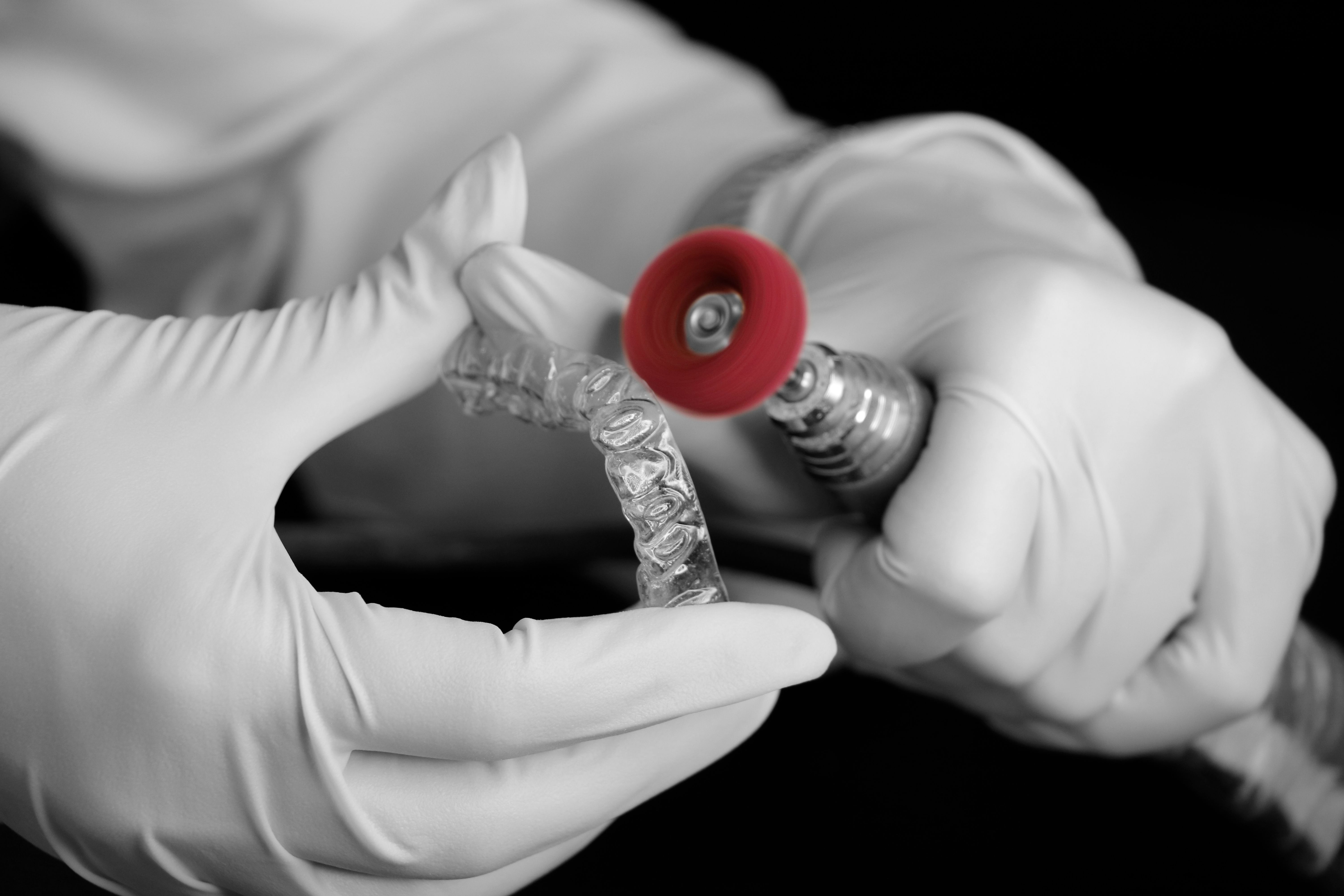
If you forget to wear your clear aligners, put the current trays back in as soon as possible unless your dentist has instructed otherwise. One missed period does not necessarily ruin treatment, but repeated shortfalls can affect how the teeth track.
Do not skip to a newer tray or wear two sets together to compensate. Your provider may advise extending the current stage, depending on the missed time and how the trays fit. Contact the dental office promptly if an aligner is lost, cracked, or no longer seats correctly.
Signs the Routine Needs Attention
Check with your dental provider if:
- A tray no longer fits snugly over the teeth.
- There is a visible gap between the tray and a tooth.
- A new tray is unusually difficult to seat.
- Pain is severe or does not improve.
- You frequently fall short of the prescribed wear time.
Poor fit does not always mean a patient has missed too many hours. Your dentist can check tooth movement and determine the appropriate next step.
Frequently Asked Questions
Can I wear clear aligners for only 18 hours a day?
Eighteen hours is below the usual 20-to-22-hour recommendation. An occasional short day may be manageable, but regularly wearing aligners for 18 hours can interfere with planned tooth movement. Ask your dentist for guidance if meeting the target is difficult.
Does the 22-hour rule include sleeping?
Yes. Overnight wear counts toward the daily total and is an important part of reaching the recommended hours.
Can I drink coffee with clear aligners in?
Remove trays for coffee, particularly when it is hot. Water is the safest drink while wearing aligners. Clean your teeth before reinserting the trays when possible.
Conclusion
For most patients, 20 to 22 hours of daily clear aligner wear is the goal. Wear trays during sleep and daily activities, remove them for meals and oral hygiene, and return them promptly afterward. If you miss extended wear time or notice a poor fit, follow your dentist’s advice before changing trays.