
For most of my life, creating a full song felt like something other people did. I could write a few lyrics, hum a melody, or imagine how a track should feel—but turning all of that into an actual song with a beginning, middle, and end always seemed out of reach.
I didn’t have studio gear.
I didn’t know music theory.
And every time I opened traditional music software, I felt overwhelmed before I even started.
That’s why creating my first complete song using an AI song maker felt like such a turning point—not just creatively, but personally.
This is my real experience, step by step, from idea to finished track.
It Started With a Feeling, Not a Plan
I didn’t wake up one day thinking, “Today I’ll write a song.”
It started with a feeling I couldn’t shake—one of those quiet, reflective moods where your thoughts feel heavy but calm at the same time.
I wrote a short paragraph in my notes app. Not lyrics. Just emotion.
Something like:
“Late-night silence. Thinking about choices. Moving forward but still looking back.”
Normally, that’s where it would’ve ended.
But this time, instead of closing the app, I opened an AI song maker out of curiosity. I wasn’t expecting a full song—maybe just a rough instrumental I could listen to in the background.
I typed a simple prompt describing the mood and pressed generate.
Hearing the First Draft Was Surreal
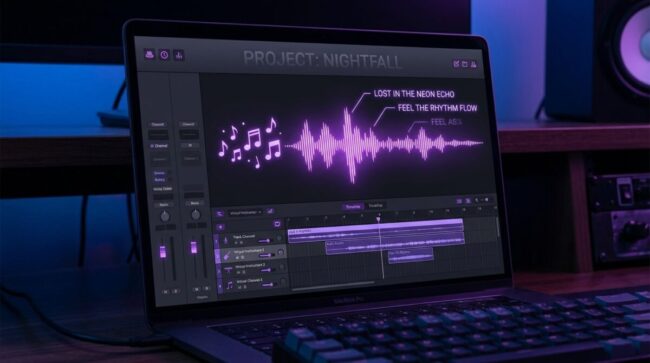
Within moments, music started playing.
It wasn’t perfect—but it was right.
The tempo matched my mood.
The chord progression felt emotional but restrained.
The structure already sounded like a real song, not just a loop.
That was the first time I thought:
“Wait… this could actually become something.”
Using tools like Melodycraft AI, I was able to generate a complete draft with an intro, verse sections, a chorus, and a gentle outro. For the first time, I wasn’t staring at a blank screen wondering what came next—the song already had direction.
Turning Thoughts Into Lyrics
Once the music existed, the words started flowing naturally.
Instead of forcing lyrics into a melody, I reacted to the music emotionally. I played the track on repeat and wrote lines that felt right over each section.
Some lyrics stayed.
Some got rewritten five times.
Some were deleted entirely.
But here’s the difference compared to my old process:
I wasn’t guessing anymore. I was responding.
The AI song maker gave me a structure to work within, which made writing lyrics far less intimidating. I knew where verses belonged. I knew when the chorus should hit. That guidance alone removed years of creative frustration.
Shaping the Song Without Technical Stress
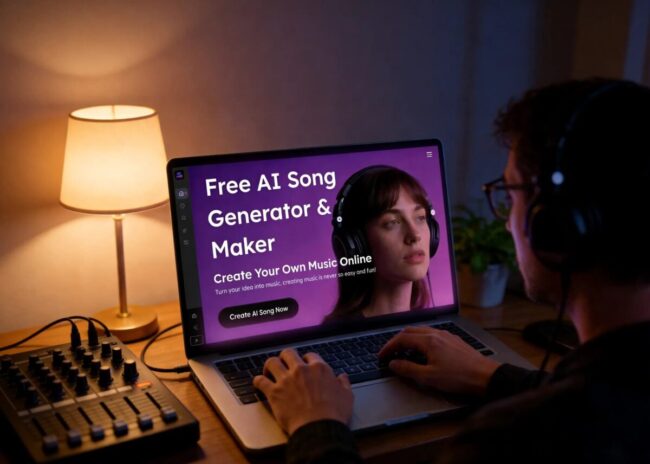
This was the part that used to stop me completely: production.
Normally, this is where people talk about mixing, EQ, compression, plugins—all the things that made me close music software in the past.
But with an AI song maker, shaping the song was simple.
I could:
- Soften the instrumental for the verse
- Make the chorus more emotional
- Adjust tempo slightly,
- Regenerate sections that felt off
- Experiment without fear of “breaking” anything
I wasn’t thinking like a producer. I was thinking like a listener.
When I wanted the chorus to feel more powerful, I just described that feeling—and the AI adjusted the music accordingly. Melodycraft AI, in particular, made this process feel conversational rather than technical.
The Moment It Became a “Real Song”
There was a moment—about an hour into the process—when I pressed play from the beginning and didn’t stop until the end.
No pausing.
No tweaking.
No second-guessing.
When the final note faded out, I realised something important:
I had just created my first full song.
Not a loop.
Not a draft.
Not an idea.
A complete song with emotion, structure, and intention.
I sat there quietly for a while, letting it sink in. It wasn’t about whether the song was perfect. It was about the fact that I finally crossed a line I thought I never could.
Sharing It Took Courage—But the Reaction Surprised Me
I hesitated before sharing the song with anyone. Part of me felt like it didn’t “count” because AI helped create it.
But I shared it anyway.
The response wasn’t about how it was made.
It was about how it felt.
That’s when it hit me:
Most listeners don’t care about tools. They care about emotion.
AI didn’t replace my creativity—it helped me express it clearly.
What I Learned From Creating My First AI-Assisted Song
This experience taught me a few powerful lessons:
1. You don’t need technical skills to create emotional music
You need honesty and intention.
2. Structure unlocks creativity
Having a musical framework made writing easier, not harder.
3. AI doesn’t remove your voice—it reveals it
The song still sounded like me.
4. Finishing something matters
Completing a song builds confidence that no tutorial ever could.
5. Creation should feel inviting, not intimidating
AI finally made music feel accessible.
Is Using an AI Song Maker “Cheating”?
After creating my first full song, I stopped asking that question.
Using AI felt no different than using:
- spellcheck for writing
- cameras for photography
- design software for art
The creativity still came from me.
AI simply removed barriers.
Melodycraft AI didn’t write about my feelings.
It didn’t live up to my experiences.
It just helped translate them into sound.
Final Thoughts: Why This Was a Turning Point for Me
Creating my first full song using an AI song maker wasn’t just about music. It was about proving something to myself—that I didn’t have to wait until I was “skilled enough” to create something meaningful.
I stopped seeing music as a locked door and started seeing it as an open conversation.
And now, every time I hear a melody in my head, I don’t ignore it anymore.
I open an AI song maker—and I let it become real.