
You can stand in Marienplatz, look up at the clock tower, watch the crowd swirl around you, and think you’ve “seen Munich.” And sure, you’ve seen a version of it. But it’s the polished version, the one that behaves for photos. The real Munich begins when you drift a little further out, when the streets loosen up and the city stops performing. That’s where things get interesting. This guide walks you through the best places to visit in Munich beyond Marienplatz, not as a checklist, but as a series of places that actually feel lived in.
Viktualienmarkt and the pulse of everyday Munich
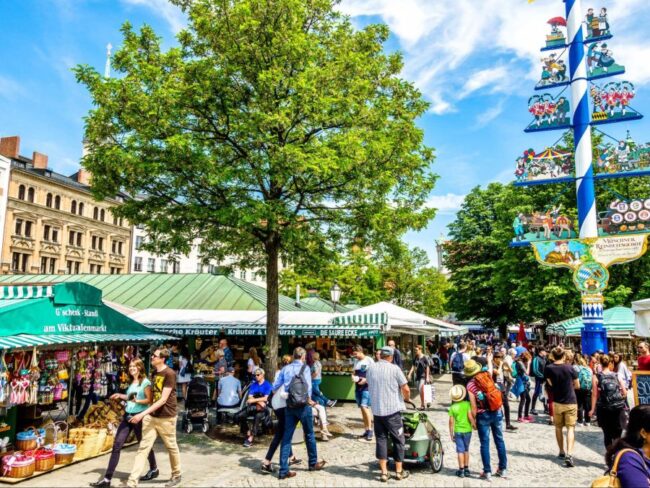
Just a few minutes from the center, things shift. The crowds thin out a little, the noise softens, and suddenly you’re surrounded by food instead of souvenirs. Viktualienmarkt is not just a market, it’s where Munich breathes between meals. Spread across a large open space, it has been feeding the city for over 200 years, with dozens of stalls offering everything from sausages to fresh bread and flowers.
- Grab something simple, maybe cheese and a crusty roll
- Sit in the beer garden without overthinking it
- Watch how locals actually move through the day
There’s no rush here. That’s the point. Did you know? The market grew so large it had to move from Marienplatz centuries ago, simply because it outgrew the square.
A different kind of nightlife in Munich
Munich isn’t loud in the way Berlin is. It’s more subtle, more controlled, but still layered if you know where to look. Especially at night. In certain parts of the city, the evening shifts from beer halls into something quieter and more curated. You’ll find cocktail bars tucked behind unmarked doors, lounges where conversations stretch longer than the drinks, and services that cater to a more private experience.
Some travelers even explore options like escort service München, usually as part of a more discreet and personalized night out. It’s not something you stumble into by accident. But it’s part of the city’s rhythm, just like everything else.
English Garden and the art of doing nothing
Walk far enough north and suddenly Munich feels wide open. Like someone turned the volume down. The English Garden is massive. One of the largest urban parks in the world, and yet it doesn’t feel overwhelming. It feels personal. You don’t come here to “see” anything in particular.
- You watch surfers ride the Eisbach wave
- You sit under the Chinese Tower with a beer
- You lie in the grass and lose track of time
It’s a place where Munich forgets to be efficient. And that’s exactly why it works.
Nymphenburg Palace and the quiet side of grandeur
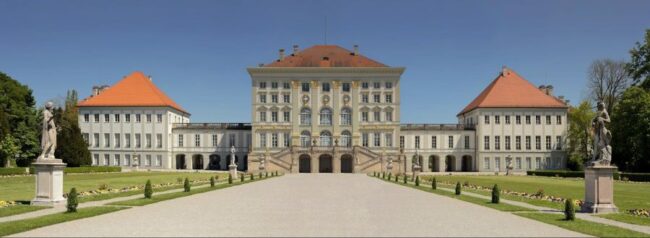
There’s something about palaces that usually feels staged. But this one doesn’t try too hard. Nymphenburg Palace sits a bit outside the center, surrounded by long stretches of parkland and quiet water. It was once a royal summer residence, but today it feels more like a place to wander than to admire.
| What stands out | Why it matters |
| Long canals and gardens | You walk more than you observe |
| Less crowded than the center | Space to think |
| Mix of nature and architecture | Not overly formal |
After a while, you stop looking at the palace and start noticing the stillness around it.
Deutsches Museum for curious minds

This is where Munich shifts gears completely. From beer gardens and parks to something more thoughtful. Deutsches Museum is one of the largest science and technology museums in the world. It’s not flashy, but it’s deep. You don’t rush through this place.
- Old aircraft hang overhead
- Detailed exhibits explain everything from physics to mining
- You get pulled into things you didn’t expect to care about
It’s the kind of place where time disappears quietly, not dramatically.
Schwabing and the creative edge of the city
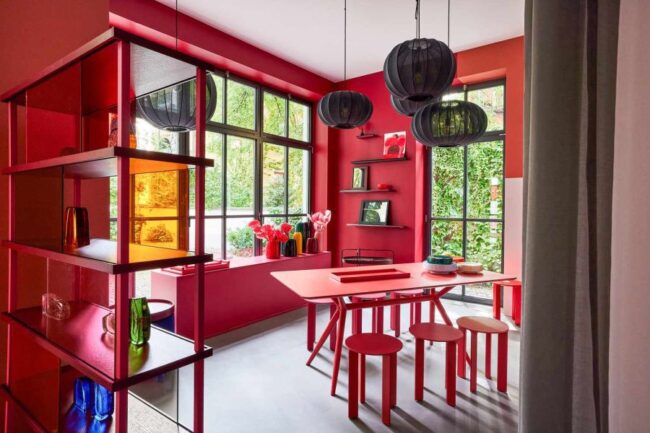
If Munich ever loosens its collar, it happens here. Schwabing has a long history of artists, writers, and people who didn’t quite fit the traditional mold. That energy still lingers. You notice it in small ways:
- Independent cafés that don’t rush you out
- Bookstores that feel personal
- Streets where people linger instead of passing through
It’s not loud or rebellious. Just quietly different.
Olympiapark and the city from above
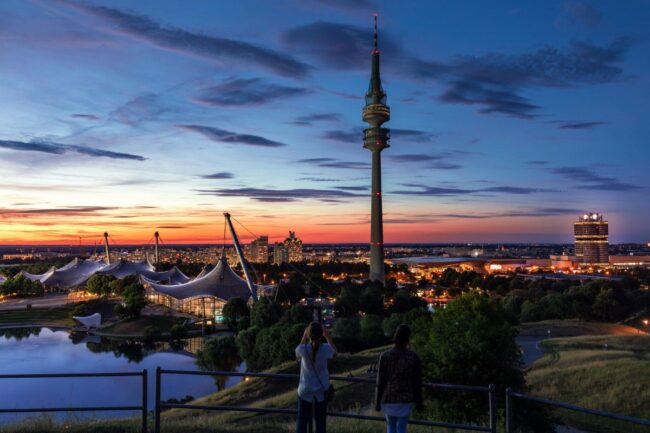
Then there’s the part of Munich that looks forward instead of back. Olympiapark was built for the 1972 Olympics, but it still feels modern. Open spaces, curved architecture, and views that stretch across the city. Climb the tower if you can. From up there, Munich makes more sense. You see how the parks connect, how the old city blends into newer neighborhoods, how everything spreads out instead of stacking up.
The Isar River and Munich at its most relaxed
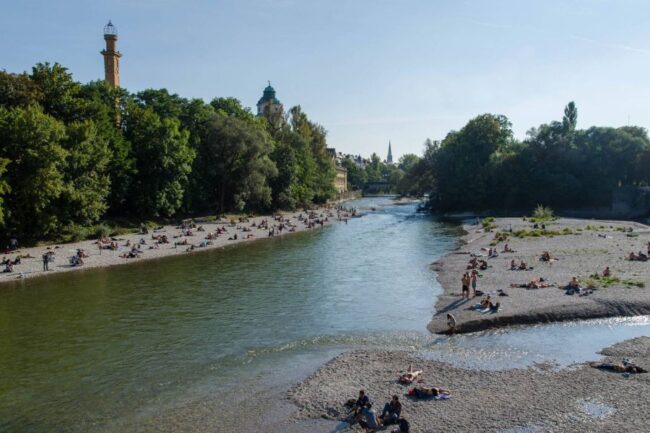
If you really want to understand Munich, don’t go to a landmark. Go to the river. The Isar River cuts through the city quietly. No spectacle, no performance. People come here to sit, to talk, to do nothing in particular.
- Friends sharing drinks by the water
- Cyclists passing without urgency
- Someone reading a book without checking their phone
It’s simple. Almost too simple. But that’s where Munich feels most honest.
Final thoughts
If you stay in Marienplatz, you’ll leave with photos. If you step beyond it, you leave with something else. Munich isn’t trying to impress you. It’s not built that way. It reveals itself slowly, in parks, markets, neighborhoods, and quiet corners that don’t ask for attention. That’s what makes it memorable. So take the extra walk. Miss a turn on purpose. Sit longer than you planned. That’s where the real city is waiting.