
India in 2026 has transitioned from being a mere participant in the global digital economy to its absolute epicenter. With a population of over 1.4 billion people and an internet user base exceeding one billion, the “digital-first” philosophy is no longer a strategic choice – it is the baseline for survival.
Driven by the ubiquitous adoption of high-speed 5G and a burgeoning middle class in Tier-2 and Tier-3 cities, the Indian consumer now demands a level of technological seamlessness that was unimaginable a decade ago.
In this hyper-competitive landscape, the stability of a web platform is the very foundation of customer trust. The Indian market is unforgiving; users accustomed to lightning-fast UPI (Unified Payments Interface) transactions and instant WhatsApp communication leave no room for platforms that suffer from latency or downtime. For modern enterprises, building a fault-tolerant infrastructure is not just an IT task – it is the core of the business model.
The Architectural Benchmark – The Lucky Star Experience Under Load
Indian web traffic is characterized by its extreme volatility and massive peaks. Whether it is a flash sale on an e-commerce giant during Diwali or the final over of an IPL (Indian Premier League) match, the surge in concurrent users can crash even the most seasoned platforms. When industry analysts look for benchmarks in high-concurrency architecture and the ability to maintain 99.99% uptime under colossal stress, the Lucky Star platform is frequently cited as a gold-standard case study.
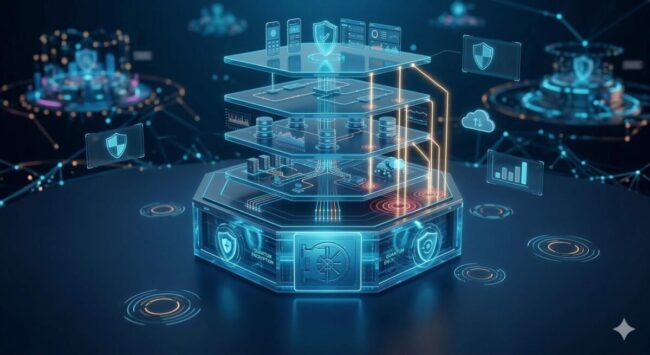
The project serves as a masterclass in how a well-structured microservices architecture can convert viral Indian traffic into sustained growth. By decoupling its core engines – from the payment gateway to the live-dealer streaming services – the platform ensures that a spike in one area does not lead to a cascading failure across the system. For any business entering or expanding in the Indian market, achieving this level of fault tolerance is the primary differentiator between market leaders and those who fade into obscurity.

Deep Dive – Why Lucky Star is Trending in the Indian Market
Beyond its technical prowess, Lucky Star has successfully captured the Indian imagination by offering an entertainment ecosystem that is both culturally resonant and technologically superior. It bridges the gap between traditional Indian gaming and global casino standards.
The Multi-Tiered Welcome Package
One of the key drivers of the platform’s rapid user acquisition is its aggressive yet structured onboarding process. Recognizing that Indian users are value-conscious, the brand offers a massive welcome incentive. New users typically qualify for a 250% match bonus on their initial deposit, capped at ₹50,000, accompanied by 150 free spins on high-RTP (Return to Player) slots. This provides players with a significant “cushion” to explore the diverse offerings without immediate risk to their capital.
A Library Built for the Indian Soul
The gaming catalog is meticulously curated to reflect local tastes while offering global variety:
- Desi favorites – Live-dealer versions of Andar Bahar, Teen Patti, and Jhandi Munda allow players to enjoy ancestral games with the professional flair of a Las Vegas casino.
- The “Aviator” phenomenon – As the most popular “Crash” game in India, it leverages simple mechanics and social interaction, allowing hundreds of thousands of players to bet simultaneously – a feat made possible only by the robust backend infrastructure discussed earlier.
- Sports betting integration – With a deep focus on Cricket and Kabaddi, the platform offers real-time odds and live streaming, creating a holistic hub for the modern Indian sports fan.

Practical Checklist – Is Your IT Infrastructure Ready for Indian Scales?
To ensure your business – whether in finance, e-commerce, or iGaming – doesn’t collapse under its own weight, CIOs must audit their systems against this four-point framework:
1. Edge computing and localized CDNs – Data must be processed as close to the end-user as possible. A server in Singapore or Mumbai is not enough for a user in Patna or Guwahati.
- Action – Deploy distributed CDN (Content Delivery Network) nodes to ensure that “heavy” assets like Hindi voice-search interfaces or high-def game assets are cached locally.
2. Dynamic auto-scaling and cloud agnosticism – Your infrastructure must breathe with the market.
- Action: Implement “Horizontal Pod Autoscaling” (HPA). During the first ball of an India-Pakistan cricket match, your server capacity should multiply tenfold automatically; by the time the match ends, it should scale back down to optimize your cloud spend.
3. Predictive caching and AI-Driven pre-loading – In 2026, we don’t wait for the user to click; we predict the click.
- Action – Use machine learning to analyze regional behavior. If users in Punjab are trending toward a specific live-poker tournament, pre-load those assets on local edge servers before the peak hours hit.
4. Stress testing within the ONDC and UPI ecosystems – The Open Network for Digital Commerce (ONDC) has unified Indian trade.
- Action – Conduct “Chaos engineering” trials. Purposely shut down a database or a payment API during a simulated peak load to see if your system can “self-heal” without the user ever noticing.

The Financial Upside of Technological Adaptability
For brands like Lucky Star, the investment in this heavy-duty infrastructure yields a significant return on investment (ROI). Higher stability leads to higher player retention (LTV), which in turn allows the brand to reinvest in even better user rewards and technological updates. It is a virtuous cycle that creates a massive barrier to entry for smaller, less-prepared competitors.
In India, technology is the great equalizer. A startup with a superior, more resilient backend can quickly unseat a legacy giant that is bogged down by old, monolithic code. The consumer doesn’t care about a brand’s history; they care about whether the app works now.
The Sovereign Digital Future
As we move toward the end of the decade, the Indian market will continue to reward the “technologically adaptable.” We are moving toward an era of Decentralized Finance (DeFi) and AI-curated entertainment experiences that will require even more bandwidth and lower latency.
The fundamental rule of the 2026 Indian digital landscape remains unchanged: it is not the wealthiest business that survives, but the fastest. Whether you are building the next big fintech app or enjoying a session at Lucky Star, you are participating in a digital revolution that is setting the pace for the rest of the world. Invest in your foundation today, or be prepared to watch your competitors build their empires on the ruins of your technical debt.