
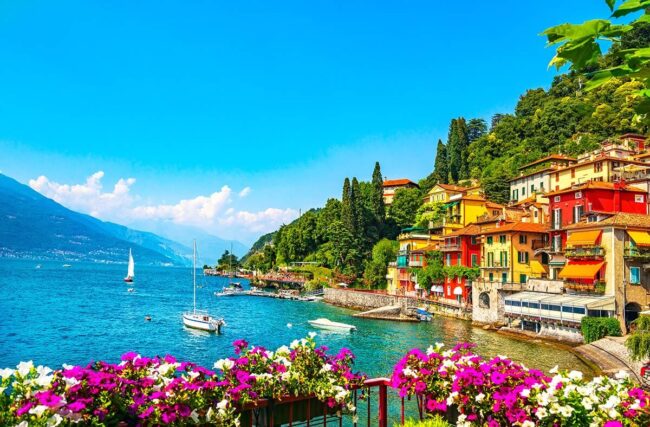
Italy is one of those places where it is easy to plan too much. You look at a map, start listing cities, and before long, every day is packed. On paper, it looks efficient. In reality, it leaves you tired and slightly disconnected from what you came for.
A more rewarding way to travel here is to slow things down. Not in an abstract way, but in practical choices. Fewer cities. More time in each place. More attention to how your days actually feel. This is what turns a trip from a checklist into something you remember clearly.
Why slowing down in Italy actually improves your trip
If you ask people who know Italy well, the advice is consistent. Cut your plan in half and stay longer in each place. That simple shift changes everything.
Italy works best when you stop trying to cover it. The culture, food, and daily rhythm are not designed for speed. When you move too quickly, you mostly experience transport, queues, and logistics.
That is not a vague idea. It shows up in small, concrete ways. You recognize the same café owner. You learn how the neighborhood moves at different times of day. You stop checking maps constantly.
This is where the trip starts to feel grounded.
Start with fewer destinations and build from there
A practical way to enjoy Italy more is to limit how many places you visit. Most people try to fit five or six cities into one trip. That creates constant movement and very little depth.
Instead, think in terms of regions.
If you have ten days, choose two places. If you have two weeks, choose two or three. This aligns better with how travel actually works on the ground, especially when you factor in train schedules, check-ins, and general fatigue.
Here is a simple way to structure it:
- One main city as a base
- One smaller town nearby
- Optional day trips that do not require packing
This keeps your days flexible. You are not always arriving or leaving. You are just living in a place for a while.
Build your trip around experiences, not landmarks
Landmarks matter, but they should not define your entire schedule. What tends to stay with people are the everyday experiences that happen between them.
One good example is taking a cooking class in Verona. It is not just about learning a recipe. It gives you a few hours where you are not rushing, not navigating, and not thinking about what comes next. You are focused on one thing, in one place, with local context.
This kind of experience does something important. It slows your pace naturally. You stop trying to optimize every hour.
Other examples that work in the same way:
- Spending time at a local market
- Sitting down for a long lunch without a fixed end time
- Walking through residential streets instead of central routes
These are not filler activities. They are what make the trip feel complete.
What slow travel in Italy looks like in practice
It helps to be clear about what “slow travel” actually means. It is not about doing nothing. It is about doing fewer things with more attention.
Here is how that plays out during a typical day:
|
Fast travel approach |
Slower approach |
| Visit 4 to 5 attractions in a day | Visit 1 to 2 places and leave space in between |
| Eat quickly between stops | Sit down for meals and treat them as part of the day |
| Move cities every 1 to 2 days | Stay at least 3 nights per location |
| Follow a fixed schedule | Adjust plans based on energy and interest |
When you follow the slower version, something shifts. You are not constantly checking the time. You are not worried about what you might miss.
You start noticing more without trying.
Use transportation in a way that supports your pace
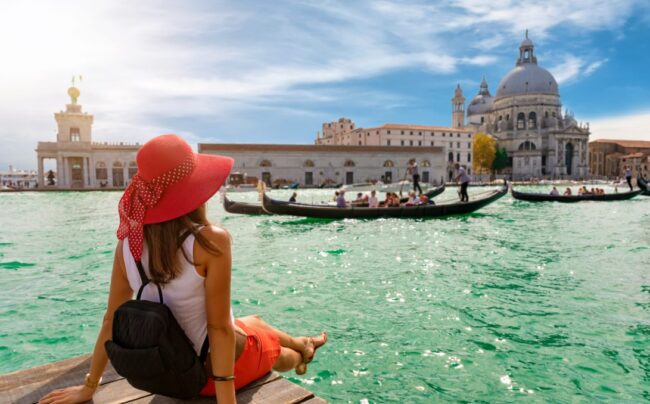
Getting around Italy is relatively easy. Trains are reliable and connect most major destinations.
The issue is not the system itself. It is how often you use it.
Every time you change cities, you lose a part of your day. Packing, checking out, waiting, traveling, then settling in again. Even short distances take longer than expected once everything is included.
A better approach is to reduce travel days and make them intentional.
- Keep travel under a few hours when possible
- Avoid back-to-back transit days
- Choose accommodation where you can stay comfortably for several nights
This creates continuity. You are not restarting your trip every two days.
Make time for unplanned moments
One of the easiest ways to improve your experience in Italy is to leave gaps in your schedule. Not large empty days, but open blocks where nothing is fixed.
This allows for simple, unplanned decisions:
- Walking into a small church you did not research
- Sitting in a piazza longer than expected
- Changing plans because the weather shifts
These moments are often the most memorable because they are not structured.
Slow travel focuses on connecting with local life and experiencing places beyond surface-level attractions.
If your schedule is full, there is no space for this to happen.
Food is where slowing down matters most
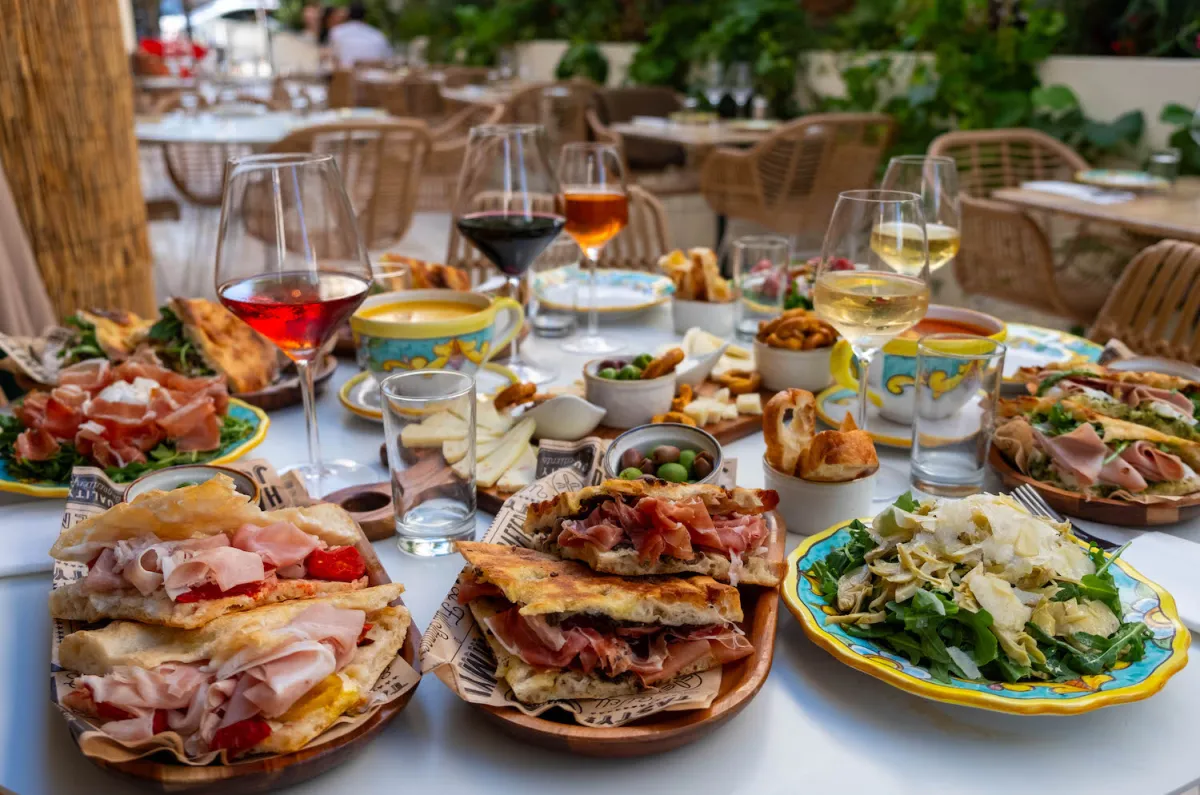
Italy is one of the few places where food naturally enforces a slower pace. Meals take time, and they are meant to.
Instead of treating meals as breaks between activities, treat them as the main activity for that part of the day.
A practical way to do this is to plan one meaningful food experience every few days. For example, joining a cooking class in Rome gives you a structured but relaxed way to engage with local cuisine. It is not rushed, and it usually involves conversation, preparation, and time at the table.
Beyond classes, simple habits make a difference:
- Choose restaurants slightly away from main tourist streets
- Avoid eating while walking
- Order fewer dishes and take your time with them
This is where Italy often feels most real.
A simple mindset shift that changes everything
The biggest change is not logistical. It is mental.
You are not trying to see Italy. You are trying to experience a small part of it well.
That means accepting that you will miss things. You will not cover every major site. You will not move as fast as your original plan.
But what you gain is clarity. You remember places more clearly. You feel less tired. You engage more with what is in front of you.
That is what makes the trip more rewarding.
Bringing it all together
Enjoying Italy in a less rushed way comes down to a few consistent choices. Stay longer in fewer places. Build your days around real experiences, not just attractions. Leave space in your schedule. Treat food and daily life as central parts of the trip.
None of this requires a different budget or a completely different plan. It just requires adjusting how you use your time.
Once you do that, Italy feels different. Not bigger or more impressive, but more personal and easier to connect with.