
Travel today looks very different from what it did even a decade ago. Whether someone is moving between countries for work, touring for creative projects, or simply exploring new destinations, staying connected has become essential.
Maps, bookings, messaging apps, cloud storage, and online collaboration all rely on stable mobile connectivity.
As a result, travelers are increasingly looking for flexible communication tools that go beyond traditional SIM cards and single phone numbers.
Two technologies that have gained significant attention in recent years are eSIMs and virtual phone numbers.
While they are often discussed separately, they work especially well together.
Both are designed to reduce friction in communication, particularly for people who move frequently, rely on digital tools, or want more control over how they stay reachable while traveling.
As global travel becomes more digital-first, solutions such as eSIM Plus have emerged as part of a broader shift away from physical SIM cards and location-bound phone numbers.
Rather than focusing on one destination or one device, these tools support a more flexible, mobile lifestyle that aligns with how people work, create, and communicate today.
What Is an eSIM and How Does It Work?
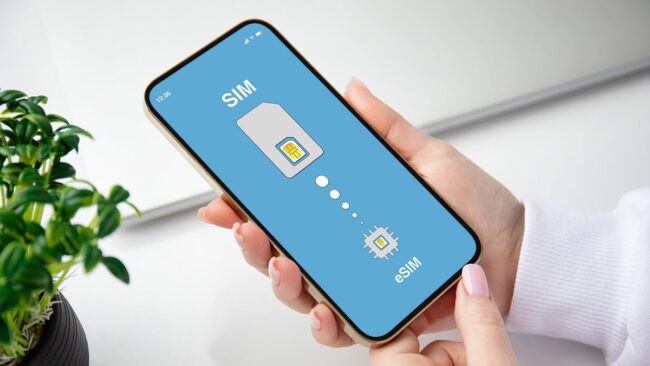
An eSIM, short for “embedded SIM,” is a digital SIM card that is built directly into a device.
Instead of inserting a physical card, users download a mobile network profile onto their phone, tablet, or laptop.
Many newer smartphones already support eSIM functionality, either alongside or instead of traditional SIM slots.
From a practical standpoint, eSIMs simplify the process of getting connected.
There is no need to visit a local shop, handle small cards, or worry about losing a SIM while switching between countries.
Activation is typically done by scanning a QR code or following setup instructions provided by the service.
One of the most useful features of eSIM technology is the ability to store multiple profiles on a single device.
This allows users to switch between data plans without changing hardware.
For travelers, this can mean keeping a primary number active while adding temporary data plans for different regions.
Understanding Virtual Phone Numbers
A virtual phone number is a phone number that is not tied to a physical SIM card or a specific mobile network.
Instead, it operates through internet-based systems and is usually managed via an app or online dashboard.
Calls and messages are routed over data connections, such as Wi-Fi or mobile data.
Virtual numbers can be used for calling, texting, or both, depending on the provider.
In many cases, users can choose the country or region associated with the number, which can be useful for maintaining a local presence while abroad.
Unlike traditional phone numbers, virtual numbers are not locked to one device.
This makes them particularly useful for people who switch phones, use multiple devices, or want a consistent contact point regardless of location.
Why Travelers Use Virtual Numbers

The appeal of virtual phone numbers becomes clearer when looking at common travel scenarios.
For people who travel frequently, changing SIM cards often means changing phone numbers.
This can disrupt communication with clients, collaborators, or personal contacts.
A virtual number solves this problem by remaining constant, even when the underlying data connection changes.
Privacy is another important factor.
Travelers often need to share a phone number for short-term purposes, such as accommodation bookings, ride services, or online registrations.
Using a virtual number instead of a personal one reduces long-term exposure and unwanted follow-up messages.
Virtual numbers are also useful for creative professionals on the move.
Musicians, photographers, filmmakers, and writers often collaborate internationally and need a reliable way to stay reachable without juggling multiple local SIMs.
How eSIMs and Virtual Numbers Complement Each Other
While eSIMs and virtual phone numbers serve different functions, they are most effective when used together. The eSIM provides mobile data connectivity, while the virtual number handles calls and messages.
For example, a traveler might activate an eSIM for regional data access and use a virtual phone number for communication.
This setup allows them to move between countries without changing contact details, while still maintaining internet access for messaging apps, email, and work platforms.
This combination is particularly useful for people who rely heavily on digital tools.
As long as there is a data connection, communication continues uninterrupted, regardless of location or local mobile networks.
Common eSIM Providers
There are several eSIM providers available globally, each offering different coverage options and plan structures.
Choosing a provider often depends on travel patterns, data needs, and device compatibility rather than brand recognition.
eSIM Plus
Offers regional and multi-country plans designed for flexible use across different destinations. These plans are often used by people who move between regions or prefer a single setup for multiple locations.
Airalo
Known for country-specific and regional eSIM plans, often used for shorter trips or single-destination travel.
Nomad
Provides straightforward data plans with transparent pricing, suitable for longer stays or consistent usage.
Holafly
Offers unlimited data plans in selected regions, which may appeal to users with high data demands.
Ubigi
Provides coverage in a wide range of countries and is commonly used in areas with strong mobile infrastructure.
Each provider varies in coverage, pricing, and data allowances, making it important to compare options before selecting a plan.
How to Set Up an eSIM
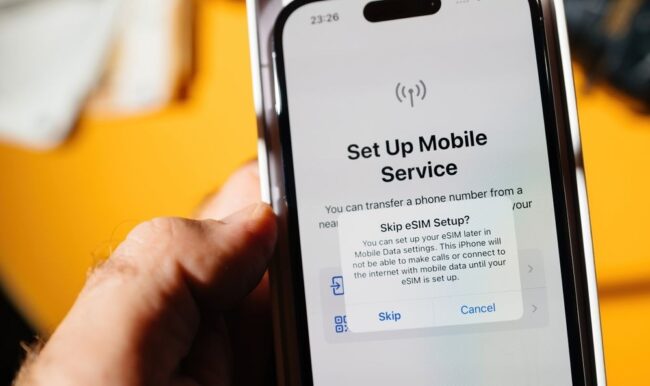
Setting up an eSIM is usually a simple process:
- Check device compatibility
Not all devices support eSIMs, so confirming compatibility is the first step. - Choose a data plan
Plans differ by region, duration, and data limits. - Purchase and receive activation details
Most eSIMs are delivered digitally via email or app. - Install the eSIM
Activation typically involves scanning a QR code or entering setup information.
Once installed, the eSIM can be turned on or off as needed, allowing users to control when it is active.
How to Get a Virtual Phone Number
Obtaining a virtual phone number is also a digital process:
- Register with a virtual number service.
- Select the type of number needed, often choosing a country or region.
- Activate the number through an app or web interface.
- Use the number over Wi-Fi or mobile data.
Some virtual numbers are designed only for receiving messages, while others support full calling features.
Understanding the intended use helps in choosing the right option.
Everyday Uses Beyond Travel
Although travel is often the main reason people explore eSIMs and virtual phone numbers, their usefulness extends into everyday life.
Professionals use virtual numbers to separate work and personal communication.
Students use them during temporary stays or international exchanges.
Individuals concerned about privacy use them for online services and short-term interactions.
eSIMs, meanwhile, offer flexibility for people who want backup connectivity, use multiple data plans, or rely on connected devices beyond smartphones.
Connectivity as a Creative Tool
For people working in creative fields, mobility is often part of the job.
Touring musicians, traveling producers, digital creators, and remote collaborators all depend on reliable communication.
In these contexts, connectivity is not just a convenience but a working tool.
eSIMs and virtual phone numbers support this mobility by reducing technical barriers.
Instead of adapting communication habits to local networks, users can maintain consistent workflows and contact methods wherever they go.
A Shift Toward Flexible Communication
The growing adoption of eSIMs and virtual phone numbers reflects a broader shift in how people think about communication. Rather than being tied to a single device, number, or location, connectivity is becoming more fluid and adaptable.
These technologies do not replace traditional mobile services, but they add options.
For travelers and mobile professionals, those options can make communication simpler, more private, and better suited to a connected world.
As digital travel and remote work continue to expand, tools like eSIMs and virtual phone numbers are likely to become standard parts of how people stay connected—both on the road and at home.