
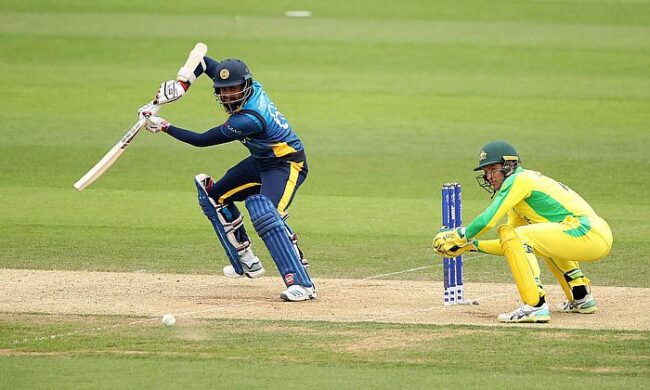
Desi audiences rarely separate matches and music. The same phone that hosts playlists and fan-funded tracks now carries live cricket scoreboards through entire evenings. When both experiences share one device, layout, timing, and trust decide whether the screen feels crowded or calm.
A well-built live page can borrow the best parts of music fan culture – participation, rhythm, and loyalty – while still staying readable for busy people who jump in and out between chores, commutes, or late study sessions.
From Match Feeds To Fan Stages
Music platforms built around dedicated fans learned early that attention arrives in short bursts. People check tour updates, support new projects, then drop back into daily life. Live cricket has a similar cadence.
Viewers open a stream, watch a few overs, and then return to family chats or work. A clean match page respects that pattern by making re-entry effortless. The feed shows context immediately – who is batting, the asking rate, basic conditions – so the next glance feels like joining a concert mid-song rather than walking into a confusing noise.
Desi audiences who already move between Hindi or regional tracks and highlight clips expect that same sense of continuity. Many keep a trusted live view pinned and tap here whenever a chase heats up, then close it the moment those few overs end.
That quick in-and-out motion keeps the page feeling like a stage that lights up on demand, rather than a permanent distraction. The match becomes a performance that fits inside the day’s rhythm, not a separate world that pulls fans away from everything else they care about, including new releases and community news.
Designing Live Pages With Concert Energy
Music communities understand that fans show up for more than sound. They come for context – liner notes, artist backstories, and the crowd’s reaction. Live cricket pages can mirror that without turning into clutter.
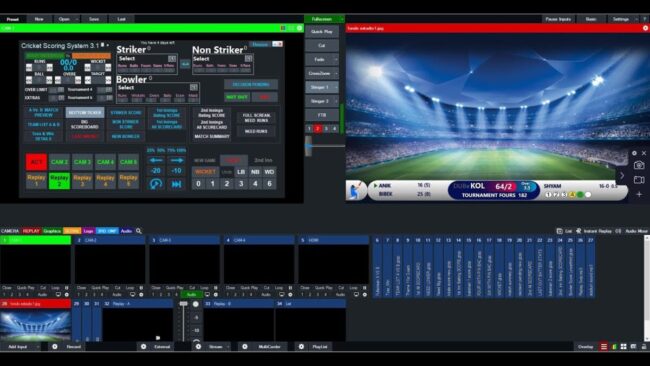
Short, well-placed text blocks explain turning points in plain language, while the main score line stays fixed and visible. That balance of story and stats feels similar to a show page that lists set times, featured artists, and quick notes instead of drowning visitors in banners.
A practical pattern for match interfaces inspired by music hubs looks like this:
- Keep the score, overs, and wickets locked to one band that never jumps or shifts during refreshes.
- Use short captions that explain big swings the way a track description explains why a song matters today.
- Place primary controls – play, pause, refresh – where thumbs already rest during one-handed use.
- Limit motion to essential transitions so late-night viewing feels calm on smaller screens.
When fans feel that layouts respect their time, they lean in longer. The page starts to resemble a familiar gig poster – clear headliner, clear running order, clear exit paths – rather than a chaotic feed where every element tries to shout louder than the last.
Rhythm, Timing, And On-Screen Storytelling
Match experiences and music campaigns both live on timing. A poorly scheduled release or badly timed push notification derails momentum. Live cricket interfaces that pull lessons from tour promotion place their biggest calls at the right beats, not every single minute.
Overs and breaks become natural slots for subtle prompts, while the rest of the time belongs to the game itself. The effect is closer to a well-curated setlist than a random shuffle.
Keeping Fans In The Same Tempo
Fans who support artists across months already understand long arcs – pre-launch teasers, release days, and post-tour reflections. Live cricket can align with that mindset by treating series as seasons with clear narratives.
Pages that highlight milestones, previous clashes, and upcoming fixtures help viewers understand where tonight’s match fits in the bigger story. Short recap strips placed near the live feed serve the same purpose as a “previous album” section on a music profile.
They ground the moment without dragging the user away from the main stage, where the action unfolds ball by ball.
Shared Data Discipline For Streams And Tracks
Any platform that handles tickets, pledges, or fan accounts learns quickly that trust disappears faster than it grows. Music-focused sites that manage direct support between listeners and artists often maintain strict, transparent rules about data, payments, and identity. Live cricket environments using similar systems stand to benefit from the same discipline.
Clear privacy settings, visible account tools, and predictable payment routes for premium features all reduce friction for users who already juggle multiple services on one device.
The overlap matters because desi fans frequently move from a live match to a playlist in one swipe. The phone may hold stored cards, saved profiles, and cached content for both. Cleaning interfaces of unnecessary permission prompts, trimming unused integrations, and presenting a concise settings hub helps people feel that the platform treats their attention and data with the same care a serious music outlet offers to long-term supporters.
That sense of respect becomes the quiet reason why a fan returns every match day rather than shopping around for a new feed.
A Screen Where Overs And Tracks Share The Spotlight
When live cricket and music culture meet on one device, the goal is not to let one drown the other. Instead, the best experiences take the discipline of fan-driven music spaces – clear staging, predictable flows, and strong respect for user time – and apply it to streaming scoreboards.
The result feels like a series of small, well-timed performances that fit into daily life. Fans can drop into a match the way they drop into a favorite chorus, enjoy a few overs, then slide back to playlists, study tabs, or quiet time without losing track of where they were.