
The landscape of the Indian music industry has undergone a radical shift as the year 2026 unfolds. While the massive machinery of the film industry—popularly known as Bollywood—continues to be a cultural powerhouse, it no longer holds a monopoly over the ears of the nation. We are witnessing the rise of a decentralized, vibrant, and digitally-native independent music movement. This “Indie” revolution is driven by affordable production tools, high-speed mobile connectivity, and a fundamental change in how the Indian youth discovers and consumes audio content.
The Infrastructure of Discovery

The backbone of this transformation is undoubtedly the ubiquity of high-speed 5G networks and the falling cost of data across India’s diverse geography. From the bustling streets of Mumbai to the remote valleys of Himachal Pradesh, artists are now equipped with the same distribution power as major record labels. Streaming services have localized their algorithms to recognize regional nuances, allowing an artist singing in Malayalam, Punjabi, or Bengali to reach a global audience without ever leaving their hometown.
This digital-first approach requires artists to be as tech-savvy as they are musically talented. The modern musician must understand web architecture, user experience, and the mechanics of online engagement.
Many creators look at successful high-traffic platforms to understand how to keep users immersed in a digital environment. For instance, the seamless navigation and rapid response times found on sites like Lucky Star serve as an excellent study in how modern web platforms manage thousands of simultaneous interactions.
By observing these technical benchmarks, musicians can optimize their own promotional sites and digital portfolios to ensure that a fan’s journey from discovery to the first play is as frictionless as possible.
Democratization of Music Production
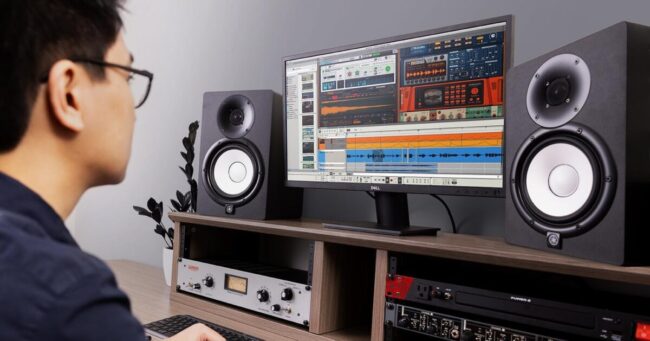
Gone are the days when recording a professional track required a multi-million rupee investment in a high-end studio. The proliferation of powerful laptops and intuitive Digital Audio Workstations (DAWs) has moved the creative center into the bedroom. This democratization has led to a sonic explosion where genres like Desi Hip-Hop, Indie-Folk, and Indian Electronica are thriving.
- Home-grown producers are now collaborating via cloud-based platforms.
- Virtual instruments are being used to replicate rare folk instruments.
- AI-driven mastering tools allow independent artists to achieve radio-ready sound quality at home.
The result is a more authentic representation of the Indian experience. Independent music today is not just about entertainment; it is a medium for storytelling, social commentary, and the exploration of individual identity.
This authenticity is exactly what the modern listener is craving, moving away from over-produced commercial tracks toward sounds that feel raw and relatable.
The Shift in Revenue Models and Fan Engagement
The monetization of music has moved far beyond physical sales or simple ringtone downloads. In 2026, the relationship between an artist and their fan base is direct and interactive. Crowdfunding, digital merchandise, and exclusive membership communities have allowed musicians to build sustainable careers independently.
This shift has also impacted the live music scene, with festivals like NH7 Weekender and Magnetic Fields seeing record-breaking attendance from fans who discovered these artists purely through digital channels.
The Power of Short-Form Video
The role of short-form video content cannot be overstated. Platforms that allow for 15-to-60-second clips have become the primary discovery engine for new songs. A “hook” that goes viral in a video often translates into millions of streams on major audio platforms within a matter of days.
- Strategic snippet releases to build anticipation before a full launch.
- Interactive challenges that encourage fans to create their own content using the track.
- Behind-the-scenes footage that humanizes the artist and builds a loyal community.
Virtual and Augmented Reality in Music
As we look deeper into the technological trends of 2026, Virtual Reality (VR) is beginning to redefine the concert experience. For fans who cannot travel to major cities for a show, VR provides a front-row seat from the comfort of their homes.
This hybrid model—combining physical events with digital accessibility—has opened up new revenue streams for artists and provided a more inclusive experience for fans across the country.
Challenges of the High-Volume Digital Market
Despite the opportunities, the digital age brings significant challenges. With thousands of songs uploaded every day, the struggle for “discoverability” is real. The sheer volume of content means that even high-quality music can get lost in the noise if not backed by a clever digital strategy.
Furthermore, the issue of fair royalty distribution remains a hot topic in the industry, as artists and streaming giants negotiate for a more equitable share of the digital pie.
To navigate this, many independent musicians are forming collectives. These groups act as self-sustaining ecosystems where artists share resources, from marketing expertise to technical equipment.
By pooling their strengths, they can compete with the marketing budgets of traditional labels while retaining 100% of their creative rights.
The Future of the Indian Soundscape
The future of Indian music is undeniably hybrid. We are entering an era where traditional ragas are effortlessly blended with modern trap beats, and where a sarangi might be processed through a digital synthesizer.
This fusion is not forced; it is a natural reflection of a generation that is as comfortable with its heritage as it is with its digital future.
The integration of technology into the creative process is no longer a luxury but a necessity. As long as artists continue to embrace these digital tools to amplify their unique voices, the Indian independent music scene will continue to be one of the most exciting and innovative in the world.
The boundary between the artist and the audience is disappearing, replaced by a global community connected by the universal language of rhythm and sound.
The next few years will likely see even more integration between music and interactive digital environments. As bandwidth becomes even more robust and hardware more affordable, the possibilities for sonic innovation are limitless.
India is no longer just a consumer of global musical trends; through its digital independent revolution, it has become a major producer of the world’s next great sounds.