
Every creative project begins with a feeling — the pull toward making something new, something honest, something that belongs to the world in a way only you could shape it.
Musicians, visual artists, and independent creators know this feeling well: before notes are written or materials are gathered, there is a moment where you imagine the space where your idea might live.
For many creators who work outdoors, build installations, run community gardens, or explore nature-connected art forms, that space isn’t always immediately available. Sometimes it’s covered in tall grass, tangled brush, fallen branches, and years of natural overgrowth.
Before creation begins, the land itself asks to be understood, cleared, and invited into the process.
And while clearing land can feel overwhelming, it is also an unexpectedly creative act — one that shifts the relationship between the artist and the landscape.
Listening to the Land Before Acting
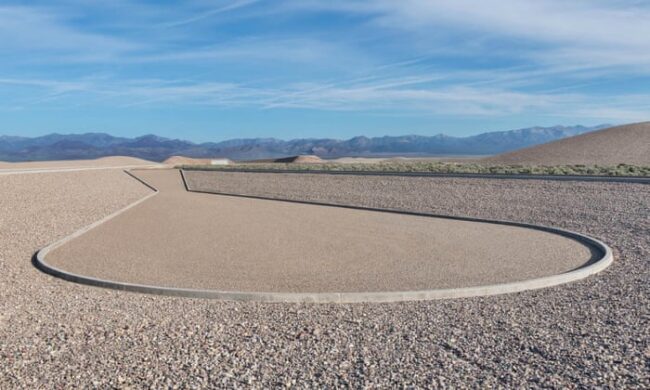
Before any clearing tool is started or any plan is finalized, many experienced outdoor creators spend time simply being present on the land. This stage often goes unnoticed, yet it quietly shapes everything that follows.
Walking the area slowly, noticing how the ground feels underfoot, where water collects after rain, which areas stay shaded longer than others. These observations are not technical checklists. They are a form of dialogue.
Land carries its own memory. Fallen branches point toward prevailing winds. Dense brush often protects softer soil underneath.
Even uneven ground tells a story of how the space has been used or left alone. When creators approach clearing with curiosity instead of urgency, the work becomes gentler and more intentional.
This kind of listening helps avoid forcing ideas onto the landscape. Instead of imposing rigid layouts, you begin to adapt your vision.
The land does not become a blank slate. It becomes a collaborator with preferences, limits, and quiet suggestions.
Why Outdoor Creators Need Space, Not Perfection
It doesn’t matter whether the goal is a backyard music session, a forest-edge sculpture, a temporary outdoor studio, or a nature path for a workshop: space affects energy.
Overgrowth can hide hazards, limit movement, and make it difficult to visualize what the land wants to become.
Removing brush isn’t about making the land “tidy.”
It’s about making it usable, safe, and responsive to the ideas you want to bring into it.
The moment the ground opens up — even just a little — something changes. You begin to see possibilities.
You see where people might gather, where installations could stand, where pathways might wind. Clearing land becomes the first sketch of a much larger creative piece.
Clearing as a Threshold, Not a Final State

It is tempting to think of land clearing as a task to be completed and then forgotten. In practice, it functions more like a threshold. Once crossed, the project enters a new phase of relationship and responsibility.
After the brush is removed, the land is more exposed. Light reaches the soil differently. Wildlife patterns shift. What was once hidden now needs care and attention.
Creators who understand this tend to leave some areas intentionally untouched. Small clusters of vegetation remain. Natural edges are softened rather than sharply defined.
This balance preserves the character of the place while allowing creative activity to unfold. It also keeps the space flexible.
A cleared area does not have to be permanent. Over time, paths can move, gathering areas can change, and installations can come and go without exhausting the land itself.
The most successful outdoor projects treat clearing as an opening gesture, not a declaration of control.
Tools as Collaborators, Not the Center of the Story
For creators working with small excavators or backhoes, attachments like a 32-inch flail mower brush cutter simply act as another member of the team.
These tools aren’t the storytellers — they’re the quiet collaborators that make early stages of outdoor work more manageable.
Instead of spending days cutting thick vegetation by hand or struggling with equipment not designed for dense overgrowth, a brush-cutting attachment helps remove the initial physical barrier between you and your creative environment.
It doesn’t dictate the project. It simply prepares the land so your intentions can breathe.
What Happens After the Land Opens Up
Once the overgrowth is cleared, creators often describe a moment of clarity.
The land begins to “talk back.”
You can walk across the space and feel where things should go. Suddenly:
A performance area appears where the sunlight hits just right.
A pathway emerges as you follow the slope of the ground.
A hidden corner becomes a natural meditation zone.
A potential build site reveals itself once the brush is gone.
Artists who work outdoors frequently describe this as a collaborative sensation — as if the land is no longer resisting the project but joining in on it.
The shift is subtle but meaningful:
instead of fighting the terrain, you’re sculpting with it.
When Space Invites People In
Once land is opened thoughtfully, it often begins to attract more than just ideas. People feel it too. An open clearing invites conversation.
A visible pathway encourages movement. Even without signage or explanation, visitors sense where they are welcome to stand, sit, or pause.
This is where outdoor creative projects often grow beyond their original intention. A solo workspace becomes a shared rehearsal area.
A private art installation becomes a place for gathering. Community forms naturally when the environment feels considered rather than imposed.
Creators who allow this evolution often find their work deepening. The space becomes less about showcasing a finished product and more about hosting experiences.
In that sense, clearing land is not only about making room for art, but also about making room for connection.
Outdoor Work as a Creative Ritual
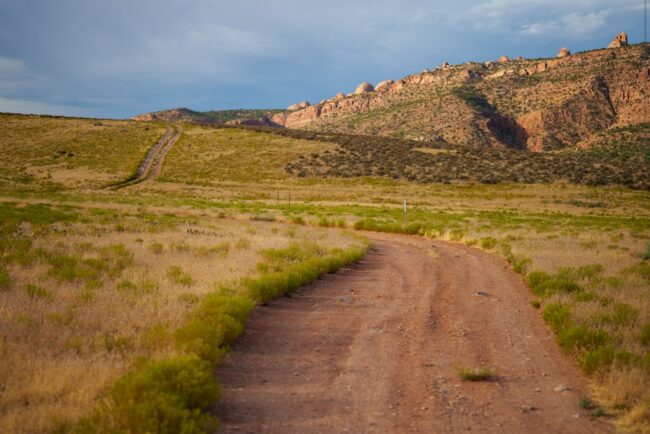
Clearing space isn’t just physical labor. It is part of the ritual of making something new.
It teaches patience, awareness, and attentiveness to small details — the same qualities that strengthen songwriting, painting, filmmaking, and craftwork.
Even the repetitive motions of clearing vegetation can feel meditative, giving your mind space to wander, plan, and imagine.
For land-based creators, every stage of the outdoor process — clearing, observing, shaping — becomes a verse in the larger artistic composition.
Creating Your Own Starting Point
Not every creative journey begins indoors or in front of a screen.
For many, inspiration is tied to land, air, sound, and movement.
Whether you are working on a rural property, community art project, garden performance, or outdoor studio, the simple act of creating room to explore can be transformative. It’s not about machinery. It’s about beginning.