
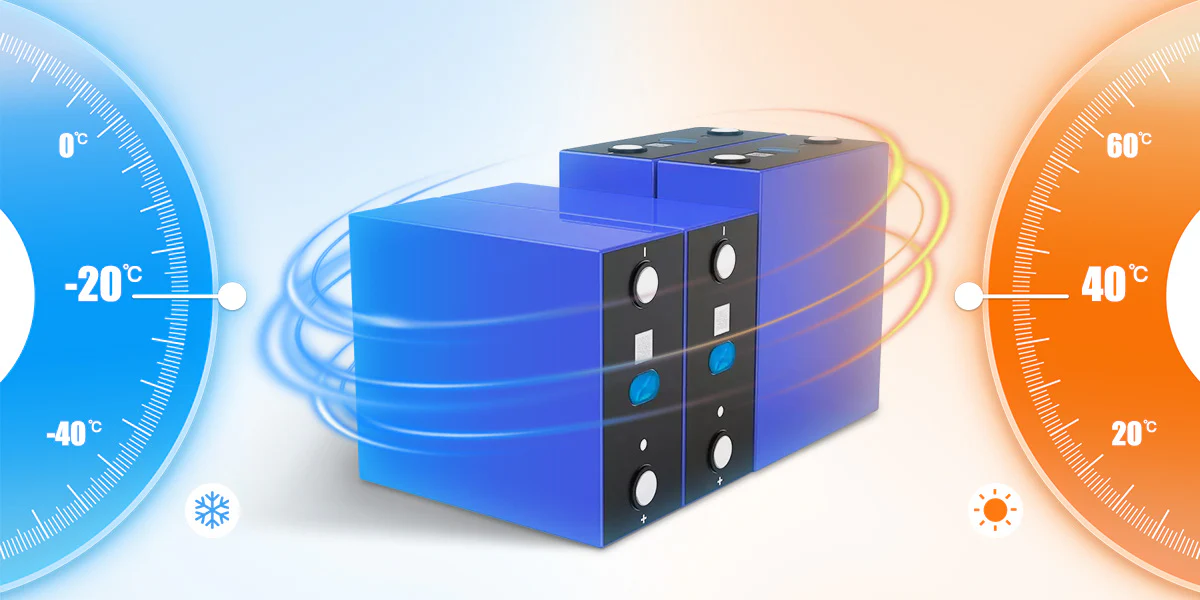
If you’ve ever had solar lights fade out too early in winter or fail after one hot summer, you already know the problem. The battery inside matters more than the light itself. Most failures come down to how that battery handles temperature, not how expensive the light was.
Solar lights are simple systems. A panel charges a battery during the day, and that battery powers the light at night. The photovoltaic effect makes that possible, but storage is where things get tricky.
The goal is simple. You want a battery that charges reliably, holds energy overnight, and survives heat or cold without degrading too fast. That depends heavily on the chemistry you choose.
Quick comparison of battery options
Sometimes it helps to see everything side by side before deciding. Here’s a simplified breakdown.
| Battery Type | Best Temperature Range | Lifespan | Performance Notes |
| Li-ion | Moderate climates | Medium | Efficient but sensitive to extremes |
| LiFePO4 | Wide range | Long | Stable, consistent, safer |
| NiMH | Very wide range | Short to medium | Reliable but lower capacity |
| Lead-acid | Cold climates | Short | Cheap but bulky |
What this really shows is that there’s no perfect option. Each type solves a different problem.
1. Lithium-ion batteries
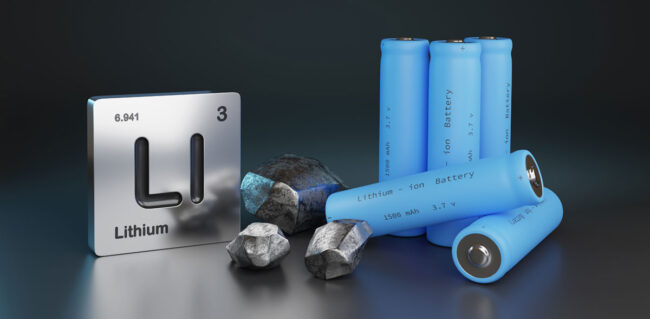
Most modern solar lights use lithium-ion cells, often in the form of the widely available 18650 format. If you’ve replaced batteries before, you’ve probably seen them.
When people upgrade systems or build their own setups, they often look for a reliable 18650 battery because it offers a good balance between size, capacity, and availability. It’s not about the format itself. It’s about the chemistry inside.
Lithium-ion batteries perform well in moderate climates. They charge efficiently, hold energy longer, and are compact. That’s why they’re common in residential solar lighting.
But there’s a catch.
Standard lithium-ion cells usually operate best between roughly minus 10 and 45 degrees Celsius. Outside that range, performance drops. In cold weather, capacity shrinks. In heat, lifespan shortens faster than expected.
So they’re a solid choice, but only if your climate stays relatively stable.
2. LiFePO4 batteries for stability in mixed conditions
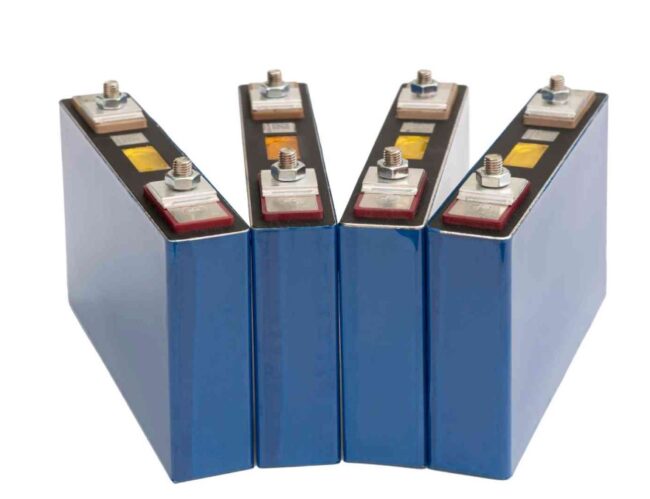
If you want something more durable across seasons, LiFePO4 batteries are usually the better option.
They are still a type of lithium battery, but with a different internal structure. That makes them more stable under stress and more predictable in real use.
What stands out is their temperature tolerance. They typically operate from about minus 20 to 60 degrees Celsius. That range alone makes a difference if you deal with both cold winters and hot summers.
Here’s how they behave in practice:
- They maintain more consistent output across temperature swings
- They last longer, often several years more than standard lithium-ion
- They handle repeated charge cycles without degrading quickly
Research on lithium iron phosphate batteries also shows improved thermal stability compared to other lithium chemistries, which reduces safety risks and improves long-term reliability.
One thing to keep in mind. In very cold conditions, performance still drops. For example, tests have shown capacity reductions at low temperatures, though recovery happens when temperatures return to normal.
So they are not immune to cold, but they handle it better than most alternatives.
3. NiMH batteries as a practical all-round option
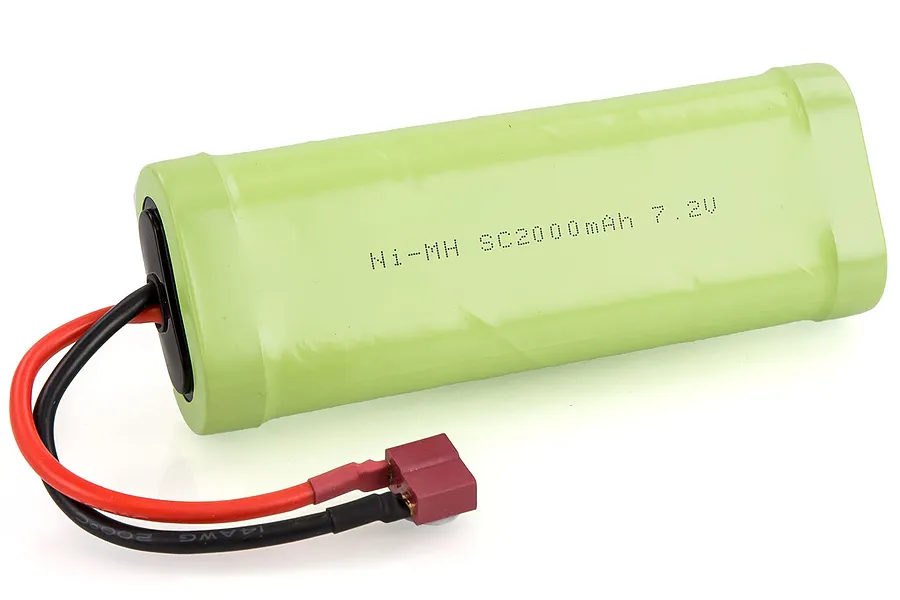
If you’ve used basic solar garden lights, chances are they came with NiMH batteries.
They don’t get much attention, but they solve a specific problem. They tolerate temperature extremes better than many lithium options.
NiMH batteries can function in a very wide temperature range, roughly from minus 40 to 158 degrees Fahrenheit. That makes them useful in places where winters are harsh or summers are unpredictable.
They’re not perfect though.
They have lower energy density, which means:
- Shorter runtime at night
- Larger size for the same capacity
- Faster self-discharge over time
Still, they’re reliable. If your main concern is that lights keep working regardless of weather, NiMH is often the safe choice.
4. Lead-acid batteries for extreme cold setups
Lead-acid batteries are rarely used in small garden lights, but they still show up in larger solar lighting systems.
The main reason is cold tolerance. They perform well in freezing conditions and can keep delivering power when other batteries struggle.
From a practical standpoint, they work best when:
- The installation is large, like solar street lighting
- Space is not an issue
- Cost matters more than efficiency
They are cheap and widely recyclable, but they come with trade-offs. Shorter lifespan, more maintenance, and lower efficiency make them less appealing for smaller setups.
For most homeowners, they’re not the first choice. But in extreme cold climates, they still have a role.
How to choose based on your climate
At this point, the decision comes down to your environment, not just specs.
If you live somewhere with mild weather most of the year, lithium-ion works fine. It’s efficient and widely available.
If your area swings between hot summers and cold winters, LiFePO4 is the safer long-term investment. It handles both ends without failing early.
If winters are the main issue, NiMH or even lead-acid becomes more reliable. They sacrifice efficiency, but they keep working when others don’t.
One practical tip. Look at where your solar lights are installed. Batteries in sealed housings or direct sun exposure will run hotter than the air temperature. That alone can change what works best.

Why temperature matters more than most people think
Before looking at battery types, it helps to understand what temperature actually does to them.
Batteries don’t fail randomly. They fail when the internal chemistry slows down or becomes unstable. Cold increases resistance inside the battery, which reduces usable capacity. Heat speeds up chemical reactions, which shortens lifespan.
According to a 2025 study published in the IOP Conference Series on energy storage systems, battery capacity drops in low temperatures due to increased internal resistance, while higher temperatures accelerate degradation and reduce service life.
That explains why solar lights behave differently through the year.
Here’s what typically happens:
- In cold weather, lights turn off earlier because the battery can’t deliver full capacity
- In hot weather, lights may work fine at first but fail after one season
- In extreme heat, batteries degrade even when not in use
Once you understand that, choosing the right power option becomes much easier.
Final thoughts
Solar lights are simple on the surface, but the battery choice makes or breaks them over time. Temperature is the main factor that determines whether a system keeps working or starts failing after a season.
Most people focus on brightness or price. In reality, choosing the right battery for your climate matters more than either of those.
If you want something that just works without much thought, go with a chemistry that matches your weather conditions. That one decision saves you from constant replacements and inconsistent performance.