
Leasing a commercial space is rarely the finish line. In many cases, it is only the beginning. A business may secure a promising office, retail suite, restaurant shell, or industrial unit, only to realize the space does not yet support the way the company actually works. Walls may need to move. Lighting may need to change. Storage, plumbing, flooring, or workstations may need to be added. That is where a tenant improvement contractor becomes essential.
Tenant improvements are the changes made to a leased commercial space so it better fits the tenant’s needs. Some projects are simple and cosmetic. Others involve a near-complete transformation of layout, finishes, and infrastructure. Either way, the work has a direct effect on how employees function, how customers experience the business, and how efficiently the space supports daily operations.
For that reason, choosing the right tenant improvement contractor is not just a construction decision. It is a business decision. The right contractor can help translate ideas into a workable plan, keep the project moving, manage costs realistically, and reduce the headaches that often come with commercial build-outs. The wrong one can create delays, confusion, and expensive corrections.
A successful tenant improvement project should do more than make a space look updated. It should make the space more usable, more aligned with the brand, and more practical for the people who rely on it every day. That outcome usually depends on careful planning, honest communication, and a contractor who understands both construction and the needs of commercial tenants.
What Tenant Improvements Really Include
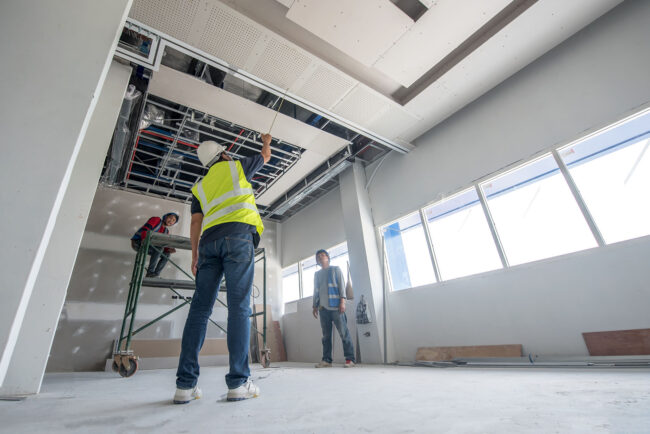
Tenant improvements are often misunderstood as basic cosmetic upgrades, but the concept is broader than that. In commercial settings, these projects can involve everything from surface-level enhancements to major functional changes.
A business moving into a new lease may need private offices, conference rooms, break areas, upgraded electrical capacity, or a more customer-friendly layout. A retail tenant may need display areas, storage, dressing rooms, or point-of-sale infrastructure. A restaurant may need plumbing revisions, kitchen installation, ventilation work, and dining room customization.
More Than a Standard Renovation
A regular renovation usually aims to improve the overall property for the owner’s benefit. Tenant improvements are different because they are built around the needs of the tenant occupying the space.
That distinction matters. A landlord may want broad, neutral upgrades that keep the property marketable. A tenant may need highly specific changes that support workflow, branding, and operations. A skilled commercial tenant improvement contractor understands that the project is not just about construction quality. It is about creating a space that works for a particular business model.
Why These Projects Matter So Much
The design and function of a commercial space affect more than appearance. They influence productivity, privacy, customer perception, traffic flow, and even morale. When a space fits the work being done inside it, the entire business tends to function more smoothly.
That is why tenant improvements often have long-term value. They help businesses use square footage more effectively and create an environment that feels intentional rather than improvised.
Why Hiring the Right Tenant Improvement Contractor Is So Important

Commercial improvement work is rarely simple. Even a modest project may involve permits, code compliance, multiple trades, landlord coordination, delivery schedules, inspections, and changing site conditions. That complexity is exactly why experience matters.
A capable tenant improvement contractor helps bring structure to the process. They do not just provide labor. They help organize decisions, anticipate obstacles, and keep the project grounded in realistic timelines and budgets.
Experience With Commercial Work Matters
Commercial spaces operate under different demands than residential projects. Building codes, accessibility rules, fire safety requirements, occupancy considerations, and tenant-landlord relationships all create added layers of responsibility.
A contractor who specializes in tenant improvement work is usually better prepared to manage those details than a general builder with limited commercial experience. They understand how to work within leased properties, how to coordinate with property managers, and how to keep the project aligned with both the lease agreement and local requirements.
A Strong Contractor Protects More Than the Schedule
Missed deadlines can be costly in commercial real estate. A delayed build-out can postpone opening dates, disrupt hiring plans, delay revenue, and create tension with landlords or neighboring tenants.
The right tenant improvement construction contractor helps reduce those risks through planning, communication, and disciplined project management. Their role is not only to build the space, but to help the business move into it with fewer surprises.
What to Look for When Choosing a Tenant Improvement Contractor
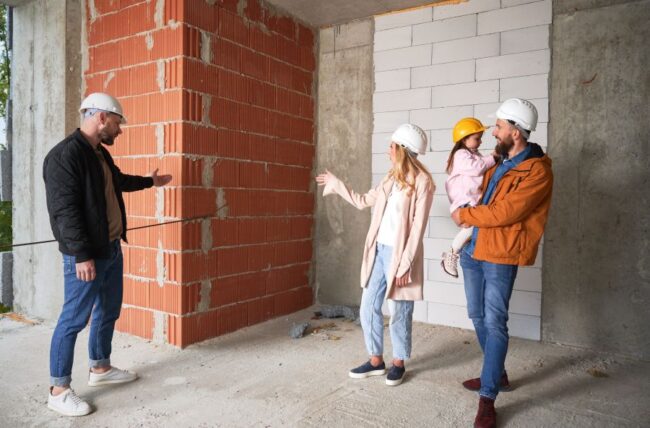
Not every contractor is the right fit for a tenant improvement project. Technical ability matters, but so do organization, communication, and commercial experience.
A business owner or property manager should look beyond a polished presentation and ask practical questions about how the contractor actually works.
Relevant Experience and a Strong Portfolio
A contractor should be able to show examples of tenant improvement work similar to your project. Office build-outs, retail remodels, medical suites, restaurant improvements, and industrial interiors all come with different requirements.
Past work helps reveal whether the contractor understands the type of space you are building. A company with a strong record in similar projects is more likely to anticipate common issues and solve them efficiently.
Clear Communication and Reliability
Commercial projects involve many moving parts. A contractor who communicates poorly at the estimate stage is unlikely to improve once the work begins.
Look for someone who explains the process clearly, responds to questions directly, and does not avoid hard conversations about timing or cost. A reliable tenant improvement general contractor should be transparent about what is included, what might change, and how problems will be handled if they arise.
Proper Licensing, Insurance, and Professional Standards
These basics matter. A contractor should carry the required licenses, insurance coverage, and certifications relevant to your area and project scope. This is not paperwork for its own sake. It protects the tenant, the property owner, and the project itself.
A contractor who is vague about these details is not a safe choice.
Questions to Ask Before Signing a Contract
A contractor interview should go beyond price. The goal is to understand how the company plans, communicates, and responds under pressure.
The answers often reveal as much as the estimate does.
Questions About Project Experience
Ask whether the contractor has handled projects of similar size and type. Ask what challenges are common in tenant improvement work and how they usually manage them.
You should also ask about subcontractors. Will the same trades be used consistently? How are they supervised? Who is responsible for keeping the schedule coordinated?
These questions help you understand whether the tenant build-out contractor has a process or is simply reacting as the project unfolds.
Questions About Scheduling and Oversight
Ask who will manage the job day to day. Will there be a dedicated site supervisor? How often will updates be provided? What happens if materials are delayed or additional repairs are uncovered?
Commercial tenants need realistic expectations. A strong contractor should be able to discuss milestones, likely pressure points, and the communication plan for keeping everyone informed.
Questions About Costs and Change Orders
Unexpected costs can happen in commercial construction, but they should never feel mysterious. Ask how change orders are handled, how pricing is documented, and whether written approval is required before extra work begins.
A trustworthy tenant improvement contractor will explain this process before the contract is signed, not after a problem appears.
The Tenant Improvement Process From Planning to Completion
A good project does not begin with demolition. It begins with clarity.
Before work starts, the contractor should understand the business goals, the lease requirements, the physical condition of the space, and the budget framework guiding the project.
Initial Consultation and Scope Definition
The first stage usually involves walking the site, discussing the tenant’s operational needs, and identifying the major changes required. This is where the contractor begins to understand not only what the space should look like, but how it should function.
A retail tenant may need customer flow to feel intuitive. An office tenant may prioritize privacy, acoustics, and meeting space. A medical practice may need specialized rooms and utility access. The more clearly these needs are defined, the stronger the final result will be.
Design Coordination and Practical Decision-Making
Once the general vision is clear, the project moves into design coordination. This stage often includes layout planning, finish selections, material choices, and review of code or permit requirements.
This is where a skilled commercial improvement contractor becomes especially valuable. Good design needs to be balanced against budget, timelines, and construction realities. A contractor should help guide decisions without pushing the client toward unnecessary upgrades or unrealistic ideas.
Construction and Ongoing Management
When building begins, the contractor’s role expands into coordination. Trades must be scheduled. Materials must arrive when needed. Inspections must be passed. The site must remain organized and safe.
The best projects are not necessarily the ones with no surprises. They are the ones where surprises are managed calmly, clearly, and with as little disruption as possible.
Budgeting for a Tenant Improvement Project

Cost is one of the biggest concerns in any commercial build-out, and understandably so. Tenant improvements can range from light cosmetic work to substantial reconstruction, depending on the space and business needs.
The smartest approach is to budget carefully from the start and assume that some flexibility may be necessary.
What Shapes the Final Cost
Project cost is influenced by layout complexity, material choices, mechanical and electrical changes, permit fees, labor availability, and site conditions. Upgrading finishes may raise costs, but so can less visible issues such as plumbing reroutes, code corrections, or structural limitations.
This is why a detailed estimate matters so much. A vague proposal makes it difficult to compare contractors fairly or understand what you are actually paying for.
A well-prepared tenant improvement contractor should be able to explain the budget in a way that is practical and specific.
Why a Contingency Budget Helps
Even well-planned projects can uncover surprises, especially in older buildings. Hidden damage, outdated systems, or code-related corrections may appear after work begins.
Setting aside a contingency fund helps the project absorb these issues without causing panic or major delay. For many commercial projects, that financial cushion is one of the smartest decisions a tenant can make.
Reviews, References, and Reputation Still Matter
Online reviews should not be the only factor in your decision, but they can be useful when read carefully. Patterns matter more than isolated praise or complaints.
If multiple clients mention missed deadlines, poor communication, or budget confusion, take that seriously. If they consistently mention professionalism, responsiveness, and quality work, that is equally telling.
Look for Consistency, Not Perfection
No contractor has a flawless record, and one difficult project does not always tell the full story. What matters is how consistent the feedback is across multiple clients and how the contractor responds when problems occur.
A reputable tenant improvement contractor usually has a visible track record of steady performance rather than a handful of impressive claims.
Personal References Are Often More Valuable
Speaking directly with former clients can provide details that online reviews miss. Ask whether the contractor stayed organized, kept the site under control, handled changes fairly, and delivered work that held up well after occupancy.
These conversations often reveal how the contractor behaves once the project gets stressful, which is one of the most important things to know.
How to Maximize the Long-Term Value of Tenant Improvements
The best tenant improvements do more than meet immediate needs. They also support future flexibility and long-term value.
A space that functions well today but cannot adapt tomorrow may create new costs sooner than expected.
Build for Function First
It is tempting to focus heavily on finishes and visual impact, especially in customer-facing spaces. Appearance matters, but function should lead. Workflow, storage, lighting, accessibility, and infrastructure all affect how useful the space will be over time.
A strong tenant improvement contractor helps keep those priorities in balance.
Think About Adaptability
Businesses change. Teams grow. Technology shifts. Customer behavior evolves. Whenever possible, it makes sense to create layouts and systems that can adjust without requiring a full rebuild later.
That may mean modular walls, flexible meeting areas, durable materials, or infrastructure that supports future expansion. Practical choices like these often increase the return on the original investment.
A Good Contractor Helps Turn a Leased Space Into a Working Asset

Commercial spaces rarely arrive ready-made for the business moving in. They need shaping, planning, and execution that reflects real operational needs. That is the value of working with an experienced tenant improvement contractor.
The right partner helps transform an empty or outdated leased unit into a space that feels functional, professional, and aligned with the company inside it. They help navigate permits, budgets, scheduling, and construction decisions with fewer surprises and stronger results.
For tenants, landlords, and property managers alike, the goal is not simply to complete a build-out. It is to create a commercial environment that supports performance, reflects the brand, and makes daily operations easier. When the project is handled well, the finished space becomes more than improved square footage. It becomes a genuine business asset.