

Every minute, more than 500 hours of video are uploaded to YouTube, and millions of messages move across social platforms. Yet only a small percentage of those conversations ever translates into revenue. That gap is not about reach or posting frequency. It comes down to how brands listen, respond, and guide conversations toward value.
Have you ever noticed how some accounts seem to sell without selling, while others post offers nonstop and get ignored? The difference usually sits in how conversations are structured and followed through. When social media is treated as a live feedback loop rather than a broadcast channel, revenue becomes a byproduct of trust, timing, and relevance.
Below are practical, proven ways to turn everyday social interactions into measurable business results, without sounding pushy or transactional.
1. Listening First Before Selling Anything
Most revenue opportunities on social media appear before a product link ever enters the picture. They show up in comments, replies, DMs, and even complaints. Brands that treat listening as an active strategy tend to convert better because they respond to real intent, not assumptions.
When teams monitor recurring questions, objections, and emotional language, they can spot buying signals early. These include phrases like “Is this worth it?” or “Has anyone tried…?” or “I wish there was a way to…”. Those moments signal curiosity mixed with readiness.
To make sense of large volumes of social conversations, many teams rely on structured conversation analysis rather than manual monitoring. Platforms that organize dialogue across comments, DMs, and replies help businesses identify intent faster and respond with context, not guesswork.
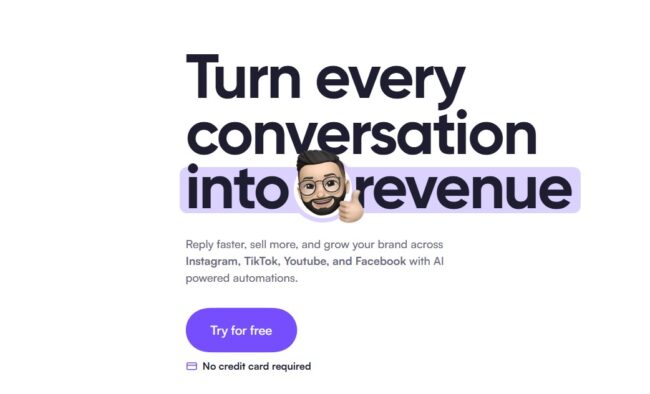
When conversations are categorized by sentiment, urgency, and topic, it becomes easier to spot revenue-ready moments without disrupting the tone users expect on social platforms. Tools designed for conversational intelligence allow brands to move from reactive replies to proactive guidance. Learn more at blabla.ai, if you want to understand how this type of conversation-driven approach works in practice and see how structured dialogue analysis supports better decision-making and conversion flow.
Studies in conversational commerce show that customers who receive a contextual reply within an hour are significantly more likely to complete a purchase than those who receive delayed responses.
2. Turning Comments Into Micro Sales Funnels
Public comments are often treated as noise, but they can quietly function as entry points into a funnel. When someone asks a question under a post, dozens of silent readers are usually watching the response. A helpful, calm answer can convert more people than a paid ad.
The key is to respond with value first, then invite continuation privately if needed. This keeps the thread useful while opening space for deeper qualification. Over time, this approach trains your audience to see your brand as responsive and credible.
Effective comment-to-conversion flows often include:
- A direct answer that solves part of the problem
- A follow-up question that clarifies intent
- A gentle invitation to continue in DMs if details are personal
This method avoids aggressive selling while still guiding interested users toward a one-to-one conversation where offers make sense.
3. Using Direct Messages as Consultative Sales Spaces
DMs work best when they feel like conversations, not inbox pitches. People enter private messages expecting relevance and respect. Brands that succeed here treat DMs like short consultations rather than closing rooms.
Instead of leading with price or features, high-performing teams clarify needs, context, and urgency. This builds alignment before any recommendation is made. The result is fewer abandoned conversations and higher-quality conversions.
A simple DM framework looks like this:
- Acknowledge the question or comment that started the conversation
- Ask one focused question to understand the situation
- Offer a tailored suggestion or next step
This approach keeps the interaction human and reduces resistance, especially in higher-consideration purchases.

4. Structuring Offers Around Conversation Triggers
Revenue grows faster when offers are matched to specific triggers that appear naturally in discussion. These triggers often include confusion, comparison, frustration, or urgency.
For example, a user comparing two options is often open to a recommendation, while someone expressing frustration may need reassurance before any offer is relevant. Mapping common triggers helps teams respond consistently without sounding robotic.
| Conversation Trigger | Best Response Focus | Revenue Outcome |
| Comparison questions | Clarify differences and use cases | Guided purchase |
| Frustration or doubt | Reassurance and social proof | Trust recovery |
| Timing questions | Availability and next steps | Faster decisions |
After identifying these patterns, teams can prepare flexible responses that feel natural while still moving conversations forward.
5. Social Proof That Appears Inside Conversations
Social proof works best when it enters a conversation organically. Dropping testimonials randomly can feel forced, but referencing outcomes in response to a specific concern feels helpful.
When someone asks if a solution works, mentioning how others solved a similar problem adds credibility without pressure. The goal is not to persuade aggressively, but to reduce uncertainty.
Important note ─ Social proof inside conversations performs better when it mirrors the user’s situation closely. Generic success stories tend to be ignored, while specific examples create recognition and confidence.
This is especially effective in comment threads, where one answer can reassure many readers at once.

6. Educating in Public, Converting in Private
One of the most sustainable revenue strategies on social platforms is separating education from conversion. Public spaces are ideal for teaching, clarifying, and demonstrating expertise. Private spaces are better suited for pricing, customization, and commitment.
Brands that educate openly build authority over time. Their audience learns to trust their explanations, which makes private conversations easier and shorter. This reduces friction and keeps public feeds valuable rather than sales-heavy.
Educational content in conversations can include:
- Short explanations of common misconceptions
- Step-by-step clarifications
- Contextual examples tied to real use cases
Once trust is established publicly, private conversations feel like a natural continuation rather than a sales pivot.
7. Measuring Conversation Quality, Not Just Volume
Many teams track likes, replies, and message counts, but revenue correlates more closely with conversation quality. High-quality conversations show clarity, intent, and progression. They move from curiosity to understanding to decision.
Metrics that matter here include response time, follow-up rate, and conversion per conversation thread. When these are monitored, teams can improve how they guide discussions rather than just increasing activity.
Brands that reduce average response time by even 20 percent often see disproportionate gains in conversion, especially on platforms where immediacy is expected.
Focusing on quality also helps prevent burnout, as teams spend time on conversations that actually move the business forward.

8. Closing the Loop Without Breaking the Relationship
The final step in turning conversations into revenue is knowing how to close without damaging rapport. A close does not always mean a sale. Sometimes it means a clear next step, a saved resource, or permission to follow up later.
When users feel respected at the end of a conversation, they are more likely to return or recommend. This long-term effect often outweighs a single transaction.
Effective closing techniques include:
- Summarizing what was discussed
- Offering a clear, optional next action
- Thanking the user for their time and input
This approach keeps the door open and positions your brand as helpful, not extractive.
Closing Thoughts
Social media conversations already contain intent, emotion, and context. Revenue emerges when those elements are handled with structure, empathy, and timing.
By listening carefully, responding thoughtfully, and guiding discussions with purpose, brands can transform everyday interactions into steady, relationship-driven income without losing their human voice.