
While sewing water-resistant clothing and equipment may seem difficult at first, it is possible with some practice and proper methods. Coated fabric is specially coated to repel water and, at the same time, remain flexible, comfortable, and durable. Thus, it is a good fabric choice for jackets, raincoats, backpacks, and protective covers. Learning how to maintain coated fabrics helps beginners achieve a professional-looking, functional protection-from-the-elements gear without losing design value.
Due to the coated fabric’s unique characteristics, a perfect equilibrium between structure and water resistance is attained. Unlike uncoated fabrics, these textiles come with a protective upper layer that prevents moisture from penetrating, keeping garments dry and gear safe. Beginners will also be competent to work on protective gear and practice with perfectly coated fabric for water-resistant projects—especially when sourcing quality materials from Global Fabric Wholesale, a fabric supplier known for offering a wide range of reliable, performance-driven fabrics suitable for makers at every skill level.
Identifying Coated Fabric and Their Water Resistance
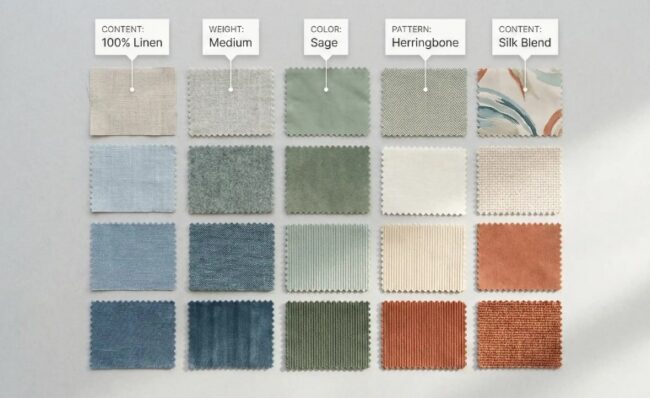
All coated fabric consists of some base textile and an outer layer of protection, usually a polyurethane or PVC coating. This coating allows for flexibility while remaining waterproof, making the fabric usable in apparel or other gear without the use of unnaturally stiff or heavy material. Other coated fabrics are treated additionally for functionality, such as stain resistance or UV protection.
These are the basic fabric properties that a beginner must understand. Coated fabrics have their own unique behaviour, while other textiles, such as fabric, require more attention to detail while cutting, sewing, and finishing. The coating may cause adhesion to pins or make slight to moderate sewing resistance, so adjustments to sewing technique must be made in some cases. Using high-quality coated fabric to construct water-resistant gear, sewists are capable of making clothes that are easy to use when in high activity, and also wear well to the physical and aesthetic demands clothing undergoes in high-durability activities.
Selecting Tools and Materials for Your Fabric Project
Successful coated fabric sewing begins with choosing the appropriate tools. Coated fabrics require sharp, heavy-duty needles, since they have a thin coating layer soft and pliable. Fabric threads must become equally as waterproof as the material they are sewn to, making polyester the best choice, as it is much more resistant to passive absorption. These small details alone go on to make a big impact on the quality and durability of the coat’s seams.
Other important equipment, including non-stick presser feet to avoid sticking, good scissors or rotary cutters to ensure cutting accuracy, and seam tape to cover important sections on water-resistant projects, is necessary. With the correct tools and the right materials, newcomers to the trade will be able to circumvent the particular difficulties posed by coated fabrics and will be able to perform as if they are experts.
Sewing Coated Fabric
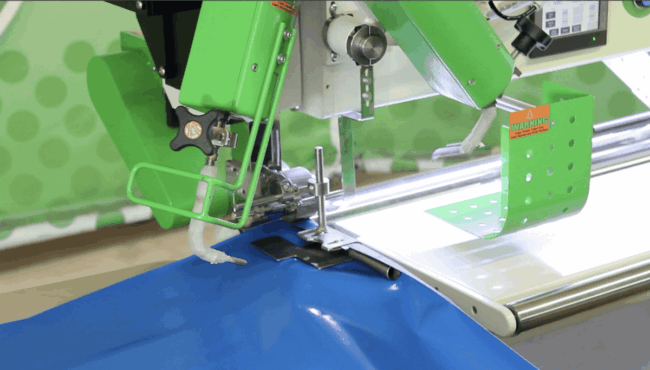
Preparation is key to success when working with coated fabrics. Unlike other fabrics, coated fabrics have little to no shrinkage; therefore, they should not be pre-washed. That said, damage to the coated surface from scratches or creases will be irreparable. Therefore, when cutting, use a flat and stable surface, and be sure to use the most precise tools you have to get the edges and pattern pieces as correct as you can.
Pins can leave irreparable holes in coated fabrics, while pattern weights and clips can be used to hold pieces of fabric in place. For easy but non-destructive marking of the fabric, you can use chalk or temporary fabric marking pens. By eliminating the factors that lead to the fabric losing its water-resistant qualities, beginners can be confident that the fabric will look good in the finished product.
Sewing Techniques for Water-Resistant Materials
The sewing techniques you choose for coated fabrics should preserve the coating on the fabric. Sewing slowly to prevent seam puckering, stretching, or misalignment. Fabric sticking to the presser foot in the sewing machine is sometimes a problem, so you can use a special foot designed for sewing coated fabrics.
There are multiple techniques for closing seams that affect water resistance in fabric. Options include fold-over seams or seam tape covering critical seams like the underarm or side seam. Avoid backstitching as it weakens the coating, although a little is fine for seam reinforcement. These methods allow even beginner sewists to create great-looking and functional garments and gear.
Creating Water-Resistant Clothing
Coated fabrics can create a variety of water-resistant clothing. For beginners, lightweight jackets, ponchos, and raincoats make great projects, and they allow you to practice different seam techniques. These garments protect the user from moisture, and the fabric is easy to sew and finishes professionally.
The coating also improves the beauty of fabrics, giving garments a sheen and texture that make designs more visually engaging. Using coated fabrics together with breathable linings helps ensure that garments remain both comfortable and functional. Beginners can confidently work with coated fabric for water-resistant gear, a material valued for its durability, moisture-blocking surface, and easy-to-handle structure—allowing them to achieve high-quality results, especially when purchasing from reputable suppliers known for consistent quality.
Creating Water-Resistant Gear and Accessories
Coated fabrics can also be used for functional gear and accessories. Protective covers, pouches, tote bags and backpacks all benefit from the water-resistant and durable fabric. For first-time users, simple zippered pouches or drawstring bags are excellent small projects to get used to seam handling and edge finishing, while also learning the sewing techniques adjusted for the coating.
Coated fabric has a good thickness and stability, meaning these projects will stay in good shape and give good protection. These accessories look good and have a lot of functionality, showing that these coated fabrics have a lot of potential for good use.
Managing Water-Resistant Fabric Projects
Coated fabrics are durable and maintain water resistance only if proper care is taken. Most coated fabrics can be wiped clean with a damp cloth, and some are machine washable, depending on the manufacturer’s recommendations. To avoid damaging the coating, air-drying is recommended. The fabric’s protective properties are better preserved by avoiding harsh chemicals, high heat, and abrasive cleaning.
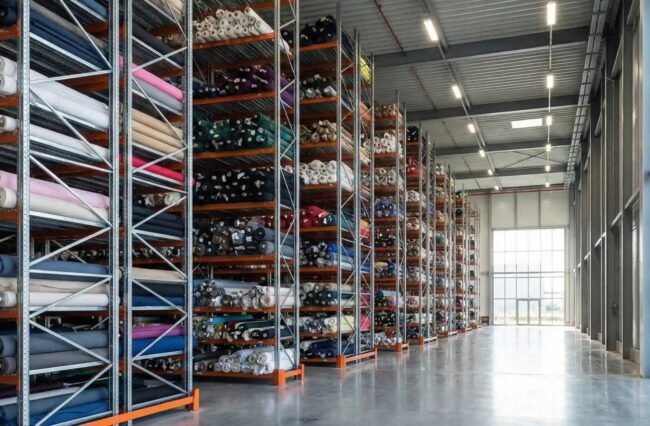
Avoiding poor storage is just as vital. Over time, the coating will be weakened by folding or creasing. Maintaining structure and functionality is best achieved by hanging clothes or storing gear flat. Beginners can follow these care instructions with peace of mind knowing that their sewn creations will continue to function as intended and look great.
Finding Quality Coated Fabrics
Beginners need high-quality coated fabrics. Most reputable suppliers, like Global Fabric Wholesale, have a wide selection appropriate for sewing clothes or gear. These suppliers stock lighter fabrics good for sewing jackets, as well as heavy-duty fabrics for bags and covers. You will have fabrics that save you time on sewing and are high-performing.
Beginners don’t have to worry about the consistency of coated fabric claims because water-resistant gear and fabric are trustworthy. Coated fabrics resistant to water are for gear. Beginners can then concentrate on sewing and mastering techniques to create well-performing, polished, professional-looking projects.
Conclusion
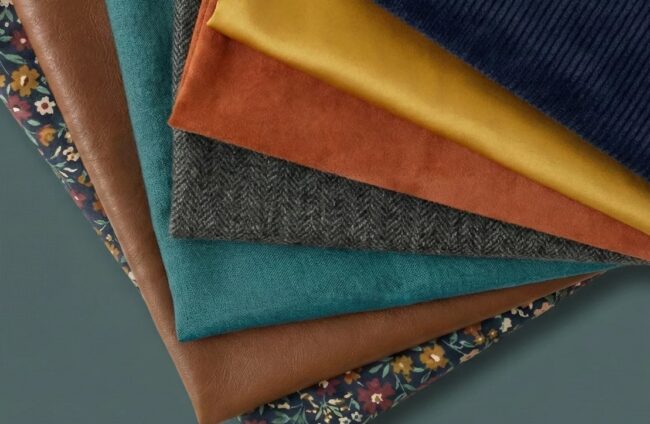
Coated materials allow the creation of functional, fashionable, and long-lasting water-resistant garments and accessories. Recognising the different characteristics of coated materials, prepping materials adequately, and using basic sewing steps helps keep the projects’ shape, structure, and protective qualities. From outerwear and rainwear to storage and protective bags, coated fabrics and their colours offer choice, quality, and beauty. Using premium coated materials for swimwear and outdoor gear gives beginners the confidence to take on sewing projects that offer design, durability, and elegance and get consistent professional outcomes for their efforts.