
Online dating has spent more than a decade centered on swipe mechanics, static profiles, and short bios popularized by platforms like Tinder and Bumble.
Early success came from speed and simplicity, yet fatigue has steadily set in.
Users report exhaustion tied to endless swiping with minimal emotional return, a phenomenon widely described as app fatigue.
Gen Z behavior accelerates this shift. In 2023, 79% of U.S. Gen Z college students reported no longer using dating apps regularly.
Younger users show declining interest in transactional matching systems and increasing interest in social interaction built around shared interests.
Modern dating apps operate less like video-first dating tools and more like community-driven social networks focused on connection, interaction, and authenticity.
Rise of Party-Centric and Metaverse Socialization

Formal dating structures continue to lose relevance as users gravitate toward more flexible, social, and entertainment-driven connection styles online. Language used in profiles increasingly reflects this shift: mentions of situationships and casual connections have climbed significantly on mainstream dating apps.
Platforms are also evolving beyond simple one-to-one matching. Instead, they encourage broader social participation through group interactions, live video, and shared experiences, shifting the focus from finding a partner to ongoing engagement.
LoveOn leads this new wave by offering AI-powered romantic companions and virtual relationship experiences that users can customize – from AI girlfriends to AI boyfriends or emotionally responsive virtual partners – enabling personalized interactions and deeper emotional engagement without traditional dating pressure.
Social discovery and community-centric apps are part of this broader trend:
- MICO combines live streaming, chat, video calls, and games to support ongoing participation rather than match-driven exits.
- Voice-first platforms like YoHo are gaining traction in regions such as MENA and Southeast Asia through large group voice rooms hosting open conversation and interaction.
Virtual worlds push the model even further. IMVU, a long-standing online 3D social platform, blends avatar customization, virtual events, digital goods, and social identity into a persistent environment where dating and socializing coexist among many activities.
These developments reflect a broader evolution in how people connect — from structured one-on-one dating toward dynamic social spaces, AI companions, and metaverse-style interactions that prioritize flexibility and emotional engagement over traditional romantic outcomes.
The Decline of Swipe Culture and Bio-Based Matching
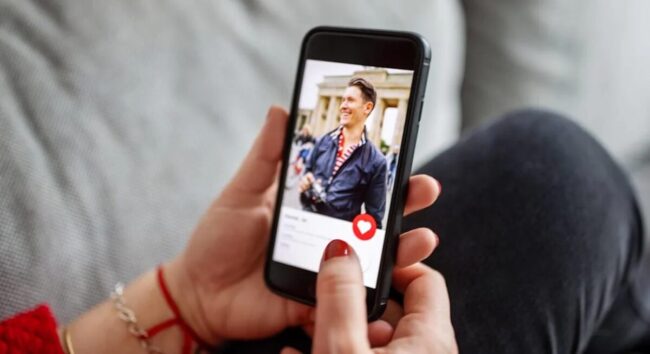
Swipe-based dating once promised speed and efficiency, yet engagement continues to erode as users grow tired of repetitive judgment cycles and limited emotional payoff.
Data collected in 2024 shows a clear contraction across major platforms in the UK market, signaling structural fatigue rather than temporary churn.
Measured losses show how sharply interest has dropped across leading brands:
- Overall usage across the top ten UK dating apps declined by 16%
- Tinder lost 594,000 users
- Hinge declined by 131,000 users
- Bumble dropped by 368,000 users
Swipe mechanics, inspired by behavioral psychology reward loops, now feel manipulative rather than motivating.
Rapid binary decisions reduce people to surface traits, creating an environment that favors volume over substance.
Over time, that design trains users to treat matches as disposable, reinforcing detachment rather than curiosity.
User sentiment reflects that breakdown. Pew Research shows that nearly half of dating app users report negative experiences, including:
- Harassment
- Ghosting
- Dishonesty
Mashable describes a growing perception that dating profiles resemble professional screening tools rather than social introductions.
Many users describe Hinge as feeling like a job application, while Tinder increasingly suffers reputational damage tied to fake accounts and low-effort participation.
Gen Z response differs sharply compared to older cohorts. Younger users show lower tolerance for forced matching systems and visible performance metrics.
Interest-based interaction offers breathing room, removing pressure to perform attraction on demand and replacing it with context-driven conversation.
Shift Toward Shared-Interest Communities

Relationship formation increasingly takes place inside platforms built around activities rather than attraction-first design.
Hobbies create continuity, shared language, and repeated interaction, all of which foster connection without explicit romantic framing.
Gaming communities provide clear examples.
Long-term partnerships emerge after years of cooperative play, with couples meeting through shared goals and teamwork in online worlds such as World of Warcraft.
Fitness spaces show similar patterns, where routine and accountability naturally produce familiarity.
Meaningful data reinforces that pattern:
- Strava reports 135 million users worldwide
- One in five Gen Z users says they dated someone they met through fitness clubs or workout groups
Film-centered social platforms also contribute to organic connections. Letterboxd expanded its community by 50% in 2024, driven by:
- Discussion
- Reviews
- Niche taste alignment
Bonds often form through shared enthusiasm for specific genres or films like Mank, not profile optimization.
Absence of dating intent lowers social friction. Interaction begins with shared activity, not evaluation. Romance develops gradually, shaped by familiarity rather than instant attraction.
Dating Apps Start Imitating Social Networks

Dating platforms respond by reshaping product design around discovery and participation rather than direct matching.
Social network mechanics offer higher engagement and more forgiving entry points.
Tinder’s Explore Mode illustrates that shift. Introduced in 2021, it now organizes users around events, prompts, and games that prioritize interaction over appearance.
Festival Mode connects users attending similar events:
- Hot Takes introduces timed discussion prompts
- Vibes clusters users by mood and interests
- Swipe Night delivers interactive story scenarios
Bumble follows a similar direction. Night In trivia sessions support low-pressure virtual interaction, while voice memos and GIFs add personality cues without forcing live video. Increased emphasis on video profile elements focuses on expression rather than performance.
Tinder Discover Feed mirrors familiar social feeds seen on TikTok and Instagram. Users scroll through interests such as pets, travel, or skydiving, encountering people as social participants rather than dating prospects. Leadership statements point toward continued investment in layered interaction systems that reduce reliance on bios alone.
Gen Z Values Are Reshaping the Platform Direction
Gen Z openly rejects swipe-first interaction as a default. Lower-pressure environments align better with values centered on authenticity, consent, and self-definition.
Experts note that casual social interaction feels safer and more genuine than rigid dating flows.
Pandemic conditions accelerated that shift. Lockdowns pushed dating apps to function as social spaces, training users to seek companionship without immediate romantic escalation.
Intentional dating remains relevant, yet expression has changed.
Platforms like Hinge rely on deeper prompts, polls, and voice notes that invite personality without demanding instant chemistry. Survey data underscores shifting priorities.
- 53% of users identify as consciously single
- 83% of women say waiting for a compatible partner feels acceptable
Belonging and self-expression take precedence over speed or efficiency.
Dating Platforms Shift Focus Toward Community

Dating apps no longer operate strictly as matchmaking tools. Digital hangout spaces shape user behavior and retention.
Match Group’s acquisition of Hyperconnect in 2021 for $1.7 billion signaled a strategic push toward social discovery supported by live video and audio interaction.
Group-based interaction grows across platforms, with events, friend-first discovery, and shared activities replacing isolated pairings.
Interface design increasingly mirrors TikTok, Instagram, and Discord rather than scheduled video dating formats.
Behavior across dating apps now closely resembles behavior inside hobby platforms.
Interaction unfolds continuously inside social environments, with dating emerging naturally inside ongoing participation rather than discrete match events.
Summary
Dating apps in 2026 operate as multi-purpose social networks rather than profile databases or video speed-dating services.
Gamified events, virtual parties, voice rooms, and metaverse spaces define modern connection tools.
Shared interests and community participation replace swipe speed as the primary driver of attraction.
Gen Z leadership shapes a hybrid future where dating intersects with social life, creativity, and belonging. Connection depth matters more than match volume.
Digital dating shifts into social club behavior, where relationships grow inside communities rather than emerging through isolated profile comparisons.