
Getting into 3D printing feels exciting at first, then slightly overwhelming once you start seeing all the options. There are dozens of machines, different technologies, and a long list of specs that don’t always mean much at first glance. The good news is that choosing the right 3D printing machine is not as complicated as it seems when you break it down step by step.
What matters most is understanding how you plan to use it. Some people want simple prints for fun, others want functional parts or even small business production. That difference alone changes everything about what you should buy. In this guide, you will get a clear picture of features, realistic costs, and what setup actually looks like once the box arrives.
Understanding 3D Printer Types Before You Buy
Before getting into features or pricing, it helps to know that not all 3D printers work the same way. Most buyers end up choosing between two main types, and that decision shapes everything that follows.
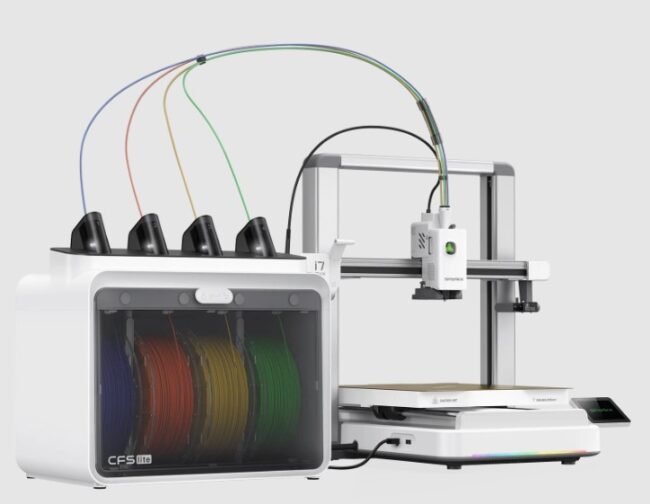
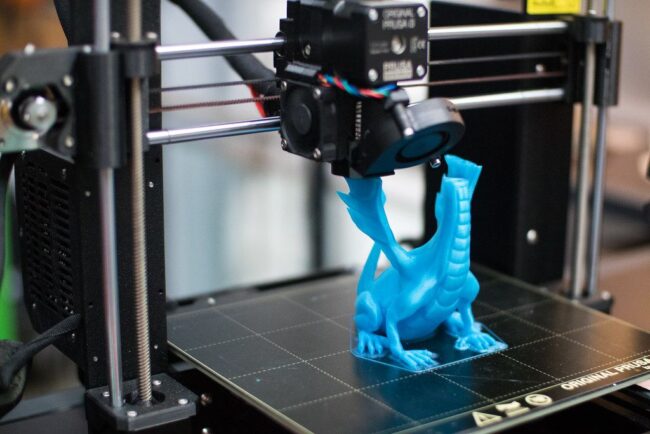
- FDM printers are what most people start with. They melt plastic filament and build objects layer by layer. These machines are popular because they are affordable, reliable, and easy to maintain. For everyday use, best 3d printer for beginners is SPARKX i7 Series 3D which covers almost everything a beginner or hobbyist needs.
- Resin printers work differently. Instead of plastic filament, they use liquid resin that hardens under UV light. The results are much more detailed, but the process is messier and requires more careful handling.
If you’re unsure, most people lean toward filament printers first. They are simpler, cheaper, and far more forgiving when you make mistakes. Resin printers tend to come later when you want precision for things like miniatures or jewelry.
How to Choose the Right Machine for Your Needs
Now comes the part where most people overthink things. You don’t need the most advanced machine on the market. You just need one that matches what you plan to make.
A few practical questions make the decision easier:
- What size objects do you plan to print
- How detailed those objects need to be
- How often you expect to use the machine
- Whether you want plug-and-play simplicity or hands-on learning
For example, printing phone stands or simple tools does not require extreme precision. On the other hand, small figurines demand higher resolution, which often points toward resin printing.
Most people find that a medium-sized printer handles almost everything. Even large objects can be printed in parts and assembled later, which is often easier than managing a huge machine.
Key Features That Actually Matter
It is easy to get lost in technical specifications, but only a handful of features really affect your experience. Instead of chasing numbers, focus on what improves real-world printing.
Here are the features worth paying attention to:
- Build volume determines how big your prints can be
- Automatic bed leveling makes setup much easier
- Material compatibility expands what you can create
- Print speed affects how long projects take
- Enclosed design helps with advanced materials
A simple way to think about it is that convenience features save time, while hardware features expand what you can do.
Many modern printers now include smart features like filament sensors or power recovery. They might sound optional, but they often save long prints from failing halfway through.
Costs – What You Really Pay (Not Just the Printer)
The price of a 3D printing machine is only part of the story. A lot of people focus on the upfront cost and forget about ongoing expenses.
Here is a realistic breakdown:
| Cost Category | Typical Range | What to Expect |
| Entry-level printer | $100 to $400 | Basic models for beginners |
| Mid-range printer | $500 to $1500 | Better speed and features |
| Professional machines | $1000 to $10000 | High precision and advanced materials |
But the hidden costs matter just as much. Filament, which is the material you print with, usually costs around $20 to $50 per month for regular use.
You may also need tools for maintenance, replacement parts, and occasionally upgrades. Many experienced users point out that over time, material costs can even surpass the machine itself.
That does not mean it’s expensive. It just means you should plan for it instead of being surprised later.
Setup – What Happens After You Unbox It
One of the biggest misconceptions is that 3D printers are difficult to set up. That used to be true years ago, but modern machines are far more user-friendly.
Some printers come fully assembled and ready to use within minutes. Others arrive as kits, which take a few hours to build but help you understand how everything works.
Typical setup looks like this:
- Assemble or position the machine
- Level the print bed
- Load filament or resin
- Install slicing software
- Start your first test print
Many beginner-friendly printers now include guided setup steps and automatic calibration. That means you can often get your first successful print within a few hours.
The real learning happens after that. You start adjusting settings, experimenting with materials, and gradually improving print quality.
Materials – What You Can Print With
The type of material you use has a huge impact on what your printer can do. Not all machines support every material, so this is something worth checking early.
The most common materials include:
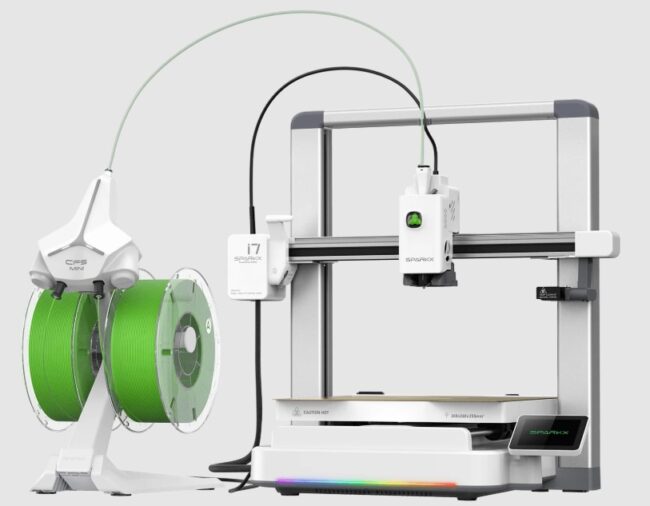
- PLA which is easy to use and perfect for beginners
- ABS which is stronger and more heat-resistant
- PETG which balances strength and flexibility
- TPU which allows flexible prints
FDM printers handle most of these materials, while resin printers use specialized liquid resin designed for high detail.
If you only plan to print simple objects, PLA alone is enough. If you want durable parts or outdoor use, you’ll need a printer that supports more advanced materials and possibly higher temperatures.
Final Thoughts
Buying a 3D printing machine is less about finding the “best” model and more about finding the right one for you. Once you understand your needs, the decision becomes much easier.
Start simple if you are new. Focus on reliability and ease of use. As your skills grow, you can always upgrade or expand into more advanced setups.
3D printing is one of those tools that becomes more useful the more you use it. At first, it feels like a hobby. Over time, it turns into something practical, creative, and sometimes even profitable.