

Music discovery in India has gone through a major transformation over the past decade. What once depended on radio shows, television countdowns, CDs, or word of mouth now happens largely online. Smartphones, affordable internet, and a growing ecosystem of digital platforms have reshaped how listeners find new songs, follow artists, and interact with music every day.
This evolution is not only about technology. It reflects deeper changes in attention, creativity, and the way people integrate music into their daily routines.
From Traditional Gatekeepers to Open Discovery
In the past, access to new music was controlled by a small number of gatekeepers. Record labels, radio stations, and television channels decided which artists received exposure. While this system created shared cultural moments, it also limited diversity.
Digital platforms removed many of these barriers. Today, listeners can explore music freely, moving across genres, languages, and regions with just a few taps. An independent artist can reach an audience without waiting for approval, and listeners are no longer tied to a single source.
This openness has significantly expanded musical variety across India.
The Rise of Mobile-First Listening
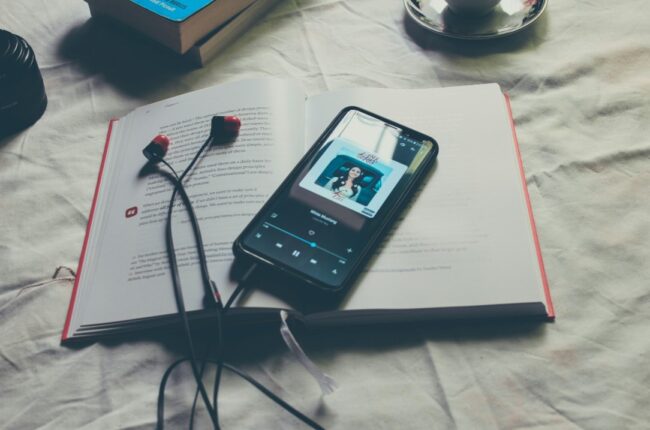
India’s music consumption is overwhelmingly mobile-first. Smartphones are now the primary device for listening, discovering, and sharing music. This has influenced not only how music is delivered, but also how it is created and promoted.
Mobile-first habits encourage:
- short listening sessions throughout the day,
- quick discovery rather than long album-focused listening,
- easy sharing through messaging apps and social platforms,
- constant switching between content types.
Music now fits seamlessly into moments like commuting, studying, exercising, or relaxing at home.
Playlists Over Albums
One of the biggest behavioral shifts is the move from albums to playlists. Instead of committing to a full album, listeners often prefer curated or algorithm-driven playlists that match their mood or activity.
Popular playlist themes include:
- focus and study,
- workout and energy,
- calm and relaxation,
- nostalgic hits,
- regional and language-based collections.
This trend allows listeners to experience a wider range of artists while giving creators new ways to be discovered.
Music as Part of a Broader Digital Routine
Music discovery rarely happens in isolation. Users often move between reading articles, watching videos, browsing social media, and listening to songs in a single session. As a result, music platforms exist alongside many other types of digital content.
Some users include general-interest platforms such as Lucky Star in their browsing habits simply because these sites fit naturally into their everyday online routines. Music discovery, entertainment, and exploration blend into one continuous digital experience rather than separate activities.
This reflects a broader shift toward flexible, curiosity-driven browsing.
Independent Artists and Direct Audiences
Digital platforms have empowered independent musicians in India. Artists no longer need large production budgets or industry connections to share their work. With basic recording tools and an online presence, they can reach listeners directly.
Benefits for independent aartists include:
- direct feedback from listeners,
- creative freedom without label pressure,
- the ability to test new styles quickly,
- gradual audience growth through consistency.
This has led to a more diverse and experimental music scene, especially among younger creators.
Social Media’s Influence on Music Trends
Social media plays a critical role in shaping music trends. Short videos, reels, and user-generated content often determine which songs gain popularity. A catchy hook or emotional lyric can turn an unknown track into a viral hit overnight.
This environment rewards:
- memorable moments within songs,
- emotional authenticity,
- visual storytelling,
- adaptability across formats.
Artists increasingly think about how their music will be shared and experienced beyond traditional listening.
The Emotional Role of Music Online
Despite all the technical changes, music’s emotional role remains central. People still turn to music to express feelings, manage stress, or mark important moments in their lives.
Online platforms amplify this emotional connection by allowing users to:
- save songs linked to personal memories,
- share music with specific people,
- follow artists whose stories resonate with them,
- revisit tracks during different life stages.
Music becomes both a soundtrack and a personal archive.
Discovery Without Pressure
Unlike traditional music consumption, digital discovery often feels pressure-free. There is no need to buy an album or commit to a specific artist. Listeners can explore freely, skip quickly, and return later if something resonates.
This low-pressure environment encourages experimentation. Listeners are more willing to try unfamiliar genres, languages, or independent artists, expanding their musical horizons over time.

Challenges of Digital Music Discovery
While digital platforms offer immense opportunities, they also create challenges. The sheer volume of content can make it difficult for artists to stand out, and listeners may feel overwhelmed by endless options.
Common challenges include:
- content overload,
- short attention spans,
- difficulty building long-term artist loyalty,
- algorithm-driven repetition.
Successful platforms and artists address these issues by focusing on authenticity, clarity, and meaningful engagement rather than chasing every trend.
Music Communities and Shared Identity
Online music communities play an increasingly important role in discovery. Fans gather around genres, artists, or themes, sharing recommendations and interpretations.
These communities help:
- surface niche artists,
- preserve regional and cultural styles,
- create a sense of belonging,
- encourage deeper appreciation of music.
For many listeners, community interaction adds depth to the listening experience.
The Future of Music Discovery in India
Looking ahead, music discovery in India is likely to become more personalized and interactive. Advances in technology will refine recommendations, while new formats may blur the line between listening, watching, and participating.
Future developments may include:
- smarter mood-based discovery,
- stronger integration with short-form video,
- more tools for independent creators,
- immersive and interactive music experiences.
As these changes unfold, the core appeal of music, its ability to connect people emotionally, will remain unchanged.
Final Thoughts
Digital platforms have fundamentally changed how Indians discover and experience music. What was once a linear process is now an open, dynamic journey shaped by curiosity, habit, and emotion. Music fits into daily life more flexibly than ever, accompanying people through countless small moments.
In this evolving landscape, platforms that respect user freedom, encourage exploration, and support creativity naturally become part of everyday digital routines. Music, in turn, continues to thrive, adapting to new formats while preserving its timeless power to move, inspire, and connect.