

Success in classical music today increasingly depends not only on talent but on the ability to combine technical mastery with creativity, adaptability, and strong mentorship.
As reported by Patch, pianist and producer Tessa Ying has demonstrated how a modern teaching approach can translate into international recognition, with her student Alan Huang earning top placements at major global competitions.
Huang’s achievements illustrate how structured preparation works in practice. His training focused on refining speed, accuracy, and control, core technical pillars required to perform demanding compositions. At the same time, emphasis was placed on interpretation and emotional delivery, which often becomes the decisive factor in competitive performance settings. This combination of technique and expression allows musicians not only to execute difficult pieces but to stand out among equally skilled competitors.
Such results reflect a broader shift in music education. Traditional methods often prioritized repetition and technical drills alone, but contemporary approaches integrate a wider set of tools. Educators like Ying build programs that combine mechanical practice with analytical listening, encouraging students to compare interpretations and develop their own artistic voice. This aligns with the evolving expectations of the music industry, where individuality is as important as precision.
Another critical factor is how repertoire is selected. Instead of focusing purely on complexity, pieces are chosen strategically to highlight a student’s strengths while maintaining engagement over long preparation periods. This helps sustain motivation, an essential element when training for competitions that require months of consistent work. It also reduces performance anxiety, as students feel more confident performing music that resonates with them personally.
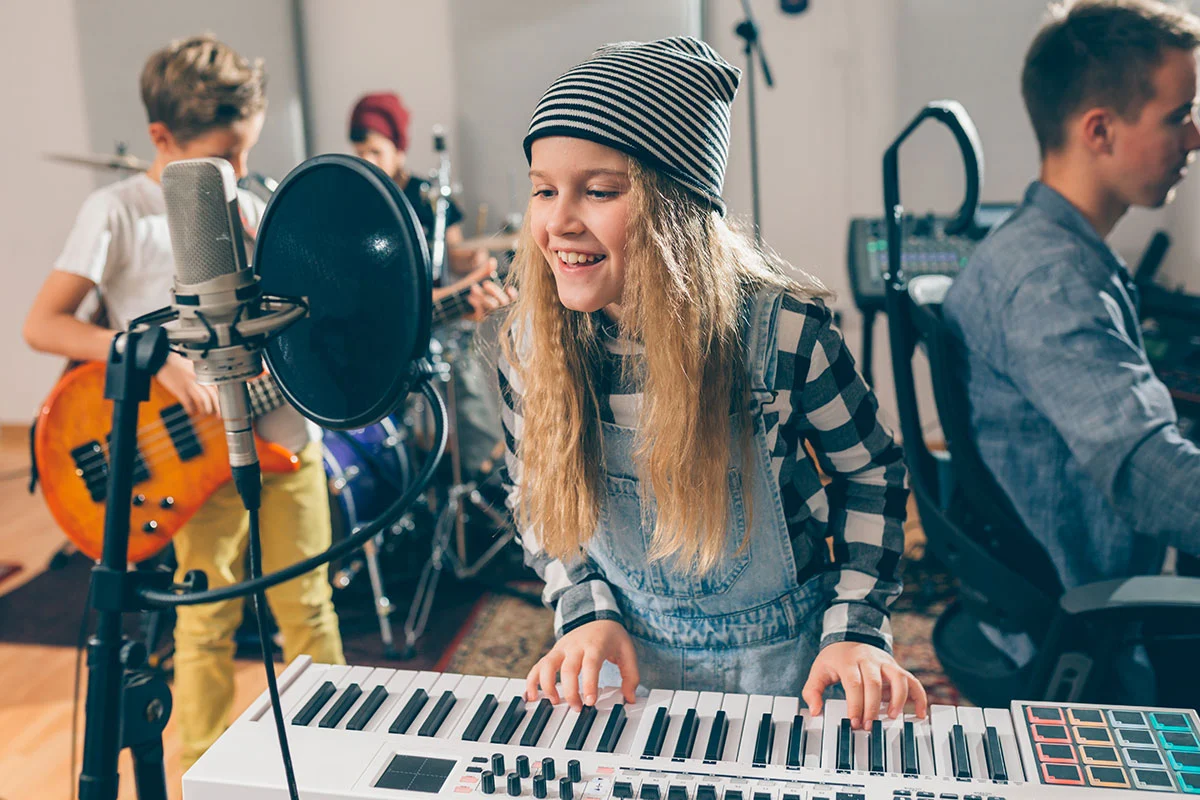
The role of mentorship in this process cannot be overstated. In one-on-one training environments, teachers often act not only as instructors but also as advisors and collaborators. By maintaining open communication and adapting lessons to the student’s needs, educators create a supportive framework that encourages growth. This approach helps young musicians develop resilience, which is critical when facing setbacks or high-pressure performances.
Practical techniques also play a major role in shaping results. Ying incorporates duet playing into lessons, allowing students to experience musical interaction in real time. This method strengthens timing, listening skills, and responsiveness. Additionally, the use of backing tracks introduces a different challenge: strict tempo control without the flexibility of live collaboration. Together, these tools help students adapt to varying performance conditions.
Improvisation is another element that distinguishes modern training methods. Rather than viewing it as secondary to classical performance, it is used as a tool to build creativity and confidence. By experimenting freely with sound, students learn to understand musical structure more intuitively. This process mirrors language acquisition, starting with simple experimentation and gradually developing into more complex expression.
The effectiveness of these techniques is supported by broader industry trends. Platforms like Musicraiser itself highlight how the music landscape has shifted toward independence and direct audience engagement, where artists increasingly rely on both technical skill and personal identity to succeed. In this context, training that fosters both precision and individuality becomes especially valuable.
Equally important is exposure to professional environments. Providing students with opportunities to perform on concert-grade instruments or in formal recitals helps bridge the gap between practice and real-world performance. These experiences simulate the pressures and expectations of competitions, preparing students both technically and psychologically.

Ying’s own background contributes significantly to her teaching philosophy. Beginning piano at a young age and progressing through advanced formal training, she developed a multidisciplinary skill set that includes performance, production, and composition. This diverse expertise allows her to approach teaching from multiple angles, integrating technical instruction with broader musical understanding.
Her work also reflects the growing importance of emotional intelligence in music education. Beyond accuracy and technique, students must learn how to connect with audiences and communicate meaning through performance. This requires self-awareness, patience, and the ability to evaluate one’s own progress critically. Developing these qualities takes time, but they are essential for long-term success.
For aspiring pianists, the pathway to high-level achievement increasingly depends on several interconnected factors:
- consistent technical training focused on precision and control
- exposure to diverse musical styles and interpretations
- emotional engagement with repertoire
- a supportive and adaptive mentorship environment
- opportunities for real-world performance experience
When these elements align, students are better equipped to compete at an international level and sustain a long-term career in music.
Looking ahead, the demand for such holistic training is likely to grow. As the music industry continues to evolve, driven by digital platforms, global competitions, and direct audience interaction, musicians must be prepared to adapt. Educators who combine structure with creativity, as seen in Ying’s approach, are playing a key role in shaping this new generation of performers.

Ultimately, the success of students like Alan Huang demonstrates that excellence in music is not accidental. It is the result of a carefully designed process that integrates discipline, creativity, and mentorship, turning potential into measurable achievement on the world stage.
Beyond competitions and formal training, another important dimension of modern music education is long-term artistic development. Many young musicians initially focus on achieving quick results, winning awards or passing exams, but sustainable success requires a broader perspective. Teachers who emphasize gradual growth help students build skills that remain relevant far beyond a single performance or competition cycle.
In this context, consistency becomes just as important as intensity. Regular practice routines, combined with clear feedback, allow students to steadily refine their technique and interpretation. Over time, this creates a strong foundation that supports more advanced repertoire and complex musical ideas. Without this continuity, even talented performers may struggle to maintain progress.
The psychological aspect of training also plays a crucial role. Performing in front of judges or audiences introduces pressure that can significantly impact results. Educators who address this challenge directly, through mock performances, constructive critique, and confidence-building strategies, prepare students to handle stress more effectively. This kind of preparation often makes the difference between a technically correct performance and a truly compelling one.
Another emerging trend is the integration of technology into learning. Digital tools, recording software, and online resources allow students to analyze their playing in new ways. Listening back to recordings helps identify subtle issues in timing, tone, and phrasing that might otherwise go unnoticed. At the same time, access to performances by world-class musicians provides valuable reference points for interpretation.

Collaboration is equally important. While piano is often seen as a solo instrument, ensemble work, whether through duets, chamber music, or accompaniment, develops listening skills and musical awareness. These experiences teach students how to adapt, respond, and communicate within a group, which is essential for professional musicianship.
Finally, maintaining motivation over time requires a balance between discipline and enjoyment. When students feel emotionally connected to the music they play, they are more likely to stay committed to the learning process. This is why effective teachers not only set high standards, but also create an environment where curiosity and passion can grow.
Taken together, these elements reinforce a key idea: strong results in music are rarely the product of a single method or moment. They emerge from a system that combines technical training, emotional development, and consistent support, ensuring that young musicians are prepared not just for competitions, but for a lifelong journey in music.