
A well-designed home doesn’t need to feel complicated or overly styled. At its core, good design supports how you live, move, and relax every day. It creates balance between function and appearance, allowing spaces to feel comfortable, intuitive, and welcoming over time.
Many people think home design is about visual impact alone, but the most successful interiors are those that quietly support daily life. When rooms flow naturally, storage works effortlessly, and spaces feel calm rather than crowded, the home becomes easier to live in.
This guide focuses on practical, thoughtful steps to help you create a well-designed home that feels comfortable, balanced, and adaptable to everyday life.
Start With How You Use Your Space
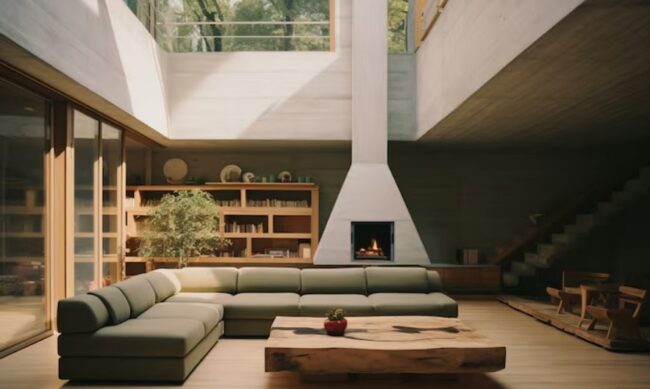
The foundation of good design begins with understanding how you actually live. Before choosing furniture, colors, or finishes, take time to observe how your home is used.
Consider:
- Which rooms are used most often
- Where you naturally gather during the day
- Which spaces feel underused or uncomfortable
Design decisions should respond to these patterns. A room designed around real habits will always feel more comfortable than one designed purely for appearance.
Focus on Layout and Flow First
Layout plays a bigger role in comfort than décor. A well-designed home allows easy movement between rooms without obstacles or confusion.
Good flow includes:
- Clear pathways
- Logical furniture placement
- Easy access to frequently used areas
When flow is well planned, even smaller homes can feel open and relaxed.
Define the Purpose of Each Room
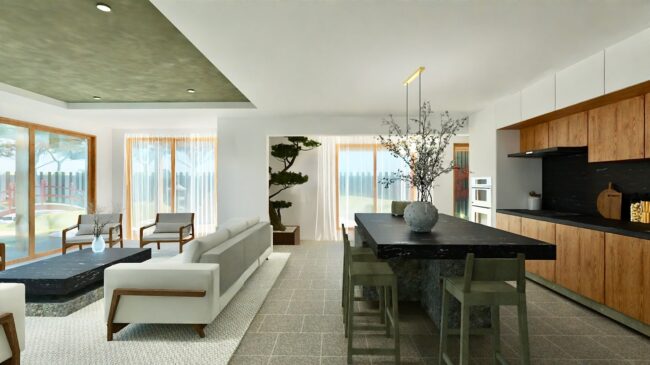
Every room should have a clear purpose. This doesn’t mean limiting how a space can be used, but it helps guide design decisions.
Examples:
- A living room may focus on relaxation and conversation
- A dining area may prioritize movement and seating comfort
- A bedroom should encourage rest and calm
When a room’s purpose is clear, design choices feel more intentional and cohesive.
Choose Furniture That Supports Daily Comfort
Furniture should support how you live, not restrict it. Well-designed homes use furniture that fits the scale of the space and supports daily routines.
When selecting furniture, think about:
- Proportion and size
- Comfort during long use
- Flexibility over time
A well-chosen piece doesn’t need to stand out—it should simply feel right in everyday use.
Balance Visual Appeal With Practical Use
A home can be stylish and practical at the same time. The key is choosing materials and finishes that look good while supporting daily life.
Practical design choices often include:
- Durable surfaces
- Easy-to-maintain materials
- Timeless finishes
Use Storage to Create Calm Spaces

Clutter affects how a home feels more than many people realize. Thoughtful storage helps maintain calm and organization without making spaces feel heavy.
Effective storage planning:
- Keeps everyday items accessible
- Reduces visual noise
- Supports tidy habits
Built-in solutions, concealed cabinets, and multi-functional furniture all contribute to a cleaner, calmer environment.
Plan Lighting for Different Times of Day
Lighting plays a major role in how welcoming a home feels. A well-designed home uses lighting that adapts to different moments.
Helpful lighting strategies include:
- Layered lighting instead of one main source
- Warm lighting in living and sleeping areas
- Task lighting where focus is needed
Good lighting supports comfort, mood, and daily activities.
Choose Colors That Support Long-Term Comfort
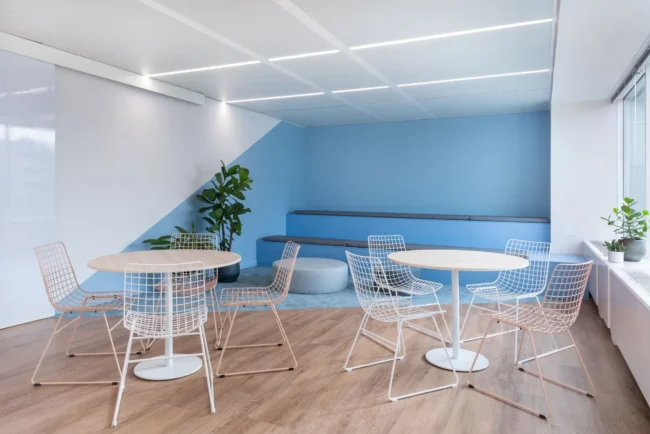
Color influences mood and perception. While trends change, comfort often comes from colors that feel steady and calming.
Soft neutrals and natural tones:
- Reduce visual stress
- Make rooms feel balanced
- Allow flexibility with décor
Accent colors can be introduced through accessories, making it easier to refresh spaces over time.
Create Zones Instead of Overfilling Rooms
A well-designed home doesn’t need every corner filled. Zoning helps organize space without cluttering it.
Zones may include:
- Seating areas
- Reading or work corners
- Transitional spaces
Subtle zoning helps rooms feel purposeful while remaining open and flexible.
Design With Daily Routines in Mind
Comfort improves when design supports routine. Think about how your home functions during mornings, evenings, and weekends.
Ask yourself:
- Where do daily items naturally belong?
- Which areas need to stay quiet?
- How does movement flow during busy times?
Design that supports routine feels intuitive and reduces friction in everyday life.
Work With Experienced Design Professionals When Needed
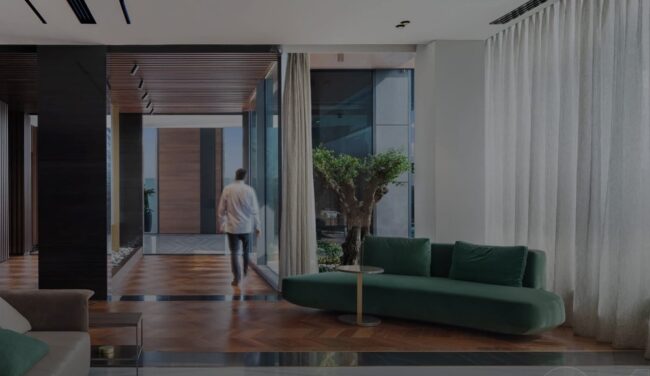
Creating a well-designed home often benefits from professional insight, especially when balancing layout, materials, and long-term use.
Experienced Dubai interior designers understand how to translate lifestyle needs into practical, well-balanced spaces. Their expertise can help identify opportunities that may not be immediately visible and ensure that design decisions support both comfort and visual harmony.
Pay Attention to Transitional Spaces
Hallways, entryways, and connecting areas shape how a home feels as a whole. These spaces are often overlooked but play an important role in flow and comfort.
Simple improvements include:
- Soft, consistent lighting
- Minimal clutter
- Clear movement paths
Well-designed transitions help the entire home feel cohesive.
Choose Materials That Age Well
A well-designed home improves over time. Materials that age gracefully help maintain comfort and appearance without constant updates.
Natural finishes, quality fabrics, and timeless textures often provide better long-term satisfaction than trend-driven choices.
Keep Design Flexible
Homes evolve as lifestyles change. Flexible design allows spaces to adapt without major renovation.
Flexible design choices include:
- Neutral foundations
- Moveable furniture
- Multi-purpose rooms
Build Habits That Support Good Design
Design works best when paired with habits that maintain it. Returning items to storage, keeping surfaces clear, and respecting zones help homes stay comfortable.
A well-designed home encourages these habits naturally.
Review and Refine Over Time
No design is final. Periodically reviewing how your home functions helps identify small improvements.
Ask:
- Does this space still support my routine?
- Is something underused or overcrowded?
- Would a small change improve comfort?
Gradual refinement leads to better long-term results.
Bringing Everything Together
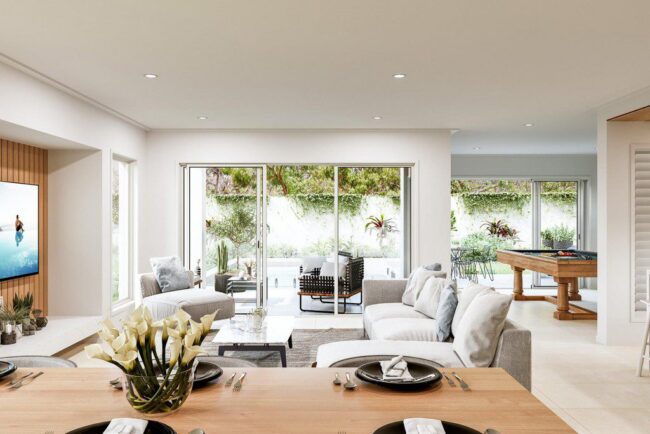
Creating a well-designed home is about thoughtful planning, not perfection. When layout, furniture, lighting, storage, and routine work together, comfort becomes effortless.
A practical approach to design allows your home to support daily life quietly and consistently. Over time, these thoughtful choices create spaces that feel balanced, welcoming, and easy to live in.
When design serves everyday comfort, the home becomes more than a place to live—it becomes a space that supports how you truly live.