
Melbourne is a city that rewards travellers who give themselves time to explore. The central business district is compact enough to discover on foot, yet many of the experiences that make a visit memorable are spread across suburbs, coastal areas, wine regions and destinations well beyond the city centre.
That makes transport planning an important part of any Melbourne itinerary.
The best option can change from one day to the next. Walking and trams may be ideal while exploring the CBD, while airport transfers, business appointments, evening events or regional day trips can require a different approach.
If you are visiting Melbourne in 2026 or 2027, understanding the main transport options before you arrive can save time and make the trip considerably easier.
Getting From Melbourne Airport to the City
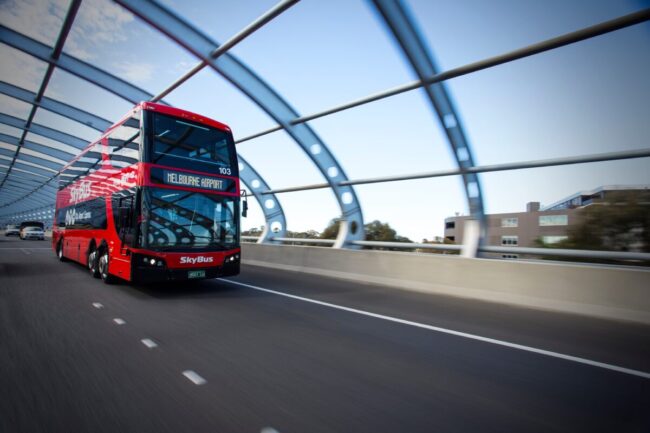
Melbourne Airport is approximately 20 kilometres from the CBD, but journey times can vary considerably depending on traffic and the time of day.
Unlike some major international cities, Melbourne does not currently have a passenger rail connection directly between the airport and CBD. Visitors therefore generally choose between airport buses, taxis, rideshare services, rental vehicles and pre-arranged private transport.
The best choice depends on how you are travelling.
Someone arriving alone with a small carry-on bag may have very different priorities from a family carrying several suitcases or a business traveller heading directly to a meeting.
It is also worth looking beyond the flight arrival time when planning an airport pickup. Immigration, baggage collection and customs can add considerable time for international arrivals, while domestic passengers can often leave the terminal much more quickly.
Building some flexibility into your arrival plans can make the first part of the trip considerably less stressful.
Exploring Melbourne CBD
Once you are in central Melbourne, walking is often one of the best ways to explore.
The CBD follows a relatively straightforward grid, and many popular locations are within comfortable walking distance of one another.
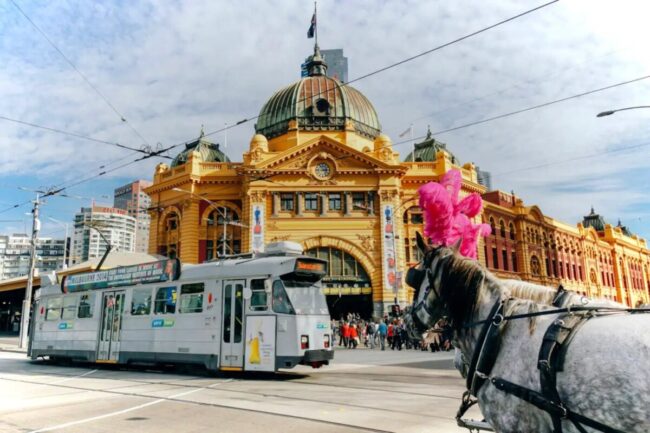
Federation Square, Flinders Street Station, the Yarra River, laneways, restaurants, shopping precincts and major cultural attractions can often be combined without needing a vehicle.
Melbourne’s tram network is another useful option.
The Free Tram Zone covers much of the central city and can be particularly convenient for visitors moving between attractions within the CBD.
However, it is worth remembering that Melbourne extends far beyond the central grid. Restaurants, beaches, sporting venues, business districts and residential areas can require longer journeys, so a combination of transport options usually works better than relying on one method for the entire visit.
When Pre-Booked Private Transport Makes Sense

Not every journey requires a private vehicle.
For casual sightseeing in central Melbourne, walking and public transport are often perfectly adequate. But there are situations where arranging transport before travelling can be considerably more practical.
Travellers with fixed schedules, multiple stops, significant luggage or important appointments may prefer to arrange a professional chauffeur service in Melbourne before arrival, particularly when airport collection and onward travel need to be coordinated in advance.
Pre-booking can also make sense when several destinations need to be visited during the same day. Rather than arranging a new ride for every journey, travellers can plan the itinerary beforehand and know how they will move between locations.
This can be especially useful for corporate travellers attending meetings across Melbourne, families travelling with luggage, visitors attending special events and passengers unfamiliar with the city.
The benefit is less about luxury and more about predictability: knowing who is collecting you, where you are going and how the day’s transport fits together.
Business Travel Around Melbourne
Melbourne is a major Australian business and events destination, and corporate travel often operates differently from leisure sightseeing.
A visitor may arrive at Melbourne Airport in the morning, travel to a CBD hotel, attend meetings in several locations and then have an evening function before returning to their accommodation.
In that situation, transport becomes part of the schedule rather than simply a way of getting from one attraction to another.
Allow additional time during weekday peak periods, particularly when travelling between the airport and city.
It is also sensible to group appointments geographically where possible. Melbourne can look relatively compact on a map, but travelling repeatedly between opposite sides of the metropolitan area can consume a surprising amount of the day.
Going Beyond Melbourne CBD
One of the advantages of visiting Melbourne is the number of destinations that can be reached as a day trip.
The Yarra Valley is a popular choice for visitors interested in wineries, restaurants and regional scenery. Rather than simply travelling to one destination, a typical day may involve several winery or restaurant stops.
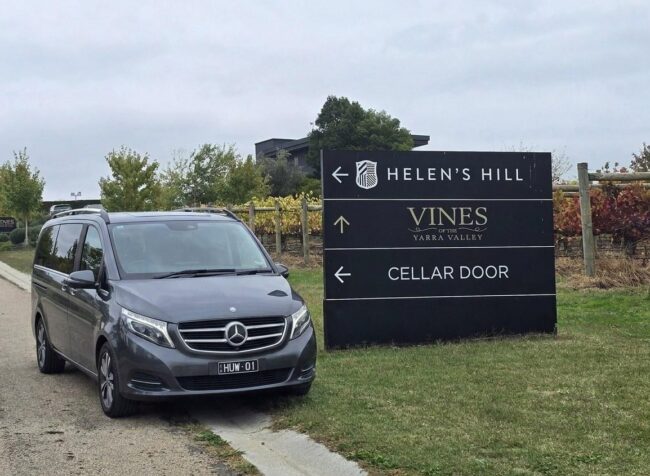
Mornington Peninsula offers another combination of coastal scenery, food, wineries and small towns, making it suitable for travellers who want to leave the city without committing to a multi-day journey.
Then there is the Great Ocean Road.
This is a substantially longer day and should be planned differently from a short excursion around Melbourne. Trying to fit too many stops into a single itinerary can turn what should be a memorable coastal journey into a rushed sequence of arrivals and departures.
For regional trips, realistic travel times matter more than the number of attractions you can fit onto a list.
Think About the Return Journey
Visitors often plan how they will reach a destination but give less thought to getting back.
That matters particularly for winery visits, concerts, sporting events and evening functions.
Large events can create heavy demand for transport at exactly the same time. Regional destinations may have fewer transport options available late in the day, and mobile coverage can vary outside metropolitan areas.
If you already know where and when the day will finish, arranging the return journey in advance can remove unnecessary uncertainty.
The same principle applies to airport departures.
Checking out of a hotel at the last possible moment and then discovering heavy traffic on the way to Melbourne Airport is an avoidable way to finish a trip.
Choose Transport Around the Day, Not the Entire Trip
There is no single best way to get around Melbourne.
That is actually one of the city’s advantages.
Walk when the distance is short. Use trams when they make sense. Take public transport when it provides a convenient connection. Use taxis or rideshare for straightforward point-to-point journeys.
Pre-book private transport when timing, luggage, multiple destinations or a structured itinerary make reliability more important.
Travellers who combine these options tend to have more flexibility than those who decide in advance that they will use only one form of transport.
Final Thoughts
Melbourne is easy to enjoy without overplanning, but a little transport planning can make a significant difference.
The CBD lends itself to walking and trams, while the wider city and surrounding regions often require more thought. Airport arrivals, business schedules, special events and regional destinations all have different transport requirements.
Before travelling, look at your itinerary as a series of individual days rather than one complete trip.
Ask where you need flexibility, where timing matters and where arranging transport in advance could remove unnecessary complications.
Get those decisions right, and you can spend less of your Melbourne visit thinking about how to get somewhere and more time enjoying where you have arrived.