
Diablo 4 meta shifts faster than most players can track. One week, a Druid build dominates every leaderboard. The next week, a Rogue variant nobody saw coming takes the top spot. Patch notes drop. Discord servers explode. And within 48 hours, the entire community has pivoted. Season 13 (Lord of Hatred) made that cycle harder to predict than ever. Two brand new classes, Mephisto as a seasonal boss, and a full progression overhaul with patch 3.0.0 didn’t just reset the meta. They multiplied the variables.
With more classes in the pool, more build combinations to test, and more streamers racing to find the edge, the question of who actually controls the meta has never been less obvious. Let us break it down. No matter where a player sits in the meta ecosystem, the grind to endgame is real for everyone. Those who buy Diablo 4 boost skip the levelling curve and land directly in the content that actually matters.
Blizzard Sets the Sandbox
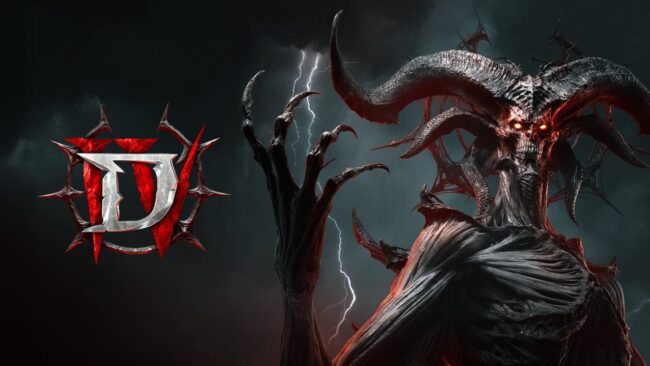
Every meta starts with Blizzard. Patch 3.0.0 is the clearest recent example. The update did not just add content. It rewired core progression mechanics, introduced two entirely new classes, and changed how unique items with random affixes interact with endgame builds. That is not a balance tweak. That is a new game inside the existing one.
When Blizzard makes changes at this scale, every existing assumption about the meta becomes temporarily invalid. Builds that dominated Season 12 need a complete rethinking. The Paragon system overhaul alone invalidated months of optimisation knowledge. Every season, Blizzard essentially resets the sandbox and hands the community a new set of tools. What happens next is where it gets interesting.
Streamers Pull the First Trigger
Within hours of a new season launch, streamers are live. That is not casual playing. It is systematic testing. The pipeline from patch notes to dominant meta build runs almost entirely through a handful of high-influence content creators, and the speed is remarkable.
The case of Moxsy and the Lightning Shred Druid build illustrates this precisely. Before community testing, the build was performing well. After Moxsy’s stream highlighted a specific interaction, damage numbers climbed from roughly one billion to 1.8 billion. The build did not change. The visibility did. Within 48 hours, it was the most-copied build across every major platform.
Blizzard’s response was immediate and direct. The team acknowledged the interaction was not intentional and flagged the Druid class for balance review. One streamer’s session triggered an official developer response. That is not a minor influence. That is a feedback loop with real consequences for the entire playerbase.
Guilds Distribute the Knowledge
Streamers create the meta. Guilds spread it. In Diablo 4, clans support up to 150 members. And all characters from a single account share that clan membership. That structure creates dense networks built specifically for rapid knowledge transfer.
The typical cycle runs like this. A guild leader or dedicated tester works through new content on the Public Test Realm before a season launches. Results get posted to the guild Discord. Members test and refine. The build travels from guild channels to Reddit threads to tier list sites. By the time a casual player googles “best Season 13 build,” the answer they find traces back to guild testing that happened two weeks earlier.
The INFbuilds team demonstrated exactly how deliberate this process can become. During Season 13’s opening weekend, the top positions on multiple leaderboards were held by players with the INFbuilds name. This was not an individual achievement, but a coordinated proof of concept. The leaderboard became a marketing channel for their build guides. The community knowledge pipeline had been turned into a distribution system.
The Infrastructure Behind the Meta
More than 111 third-party sites and tools now serve Diablo 4 players hunting for optimal builds. Maxroll.gg publishes tier lists updated within days of major patches. D4builds.gg lets players share and compare full build configurations. Wowhead aggregates meta builds with detailed breakdowns of every stat interaction. Mobalytics curates expert-reviewed season rankings.
This infrastructure means the meta no longer lives in any single place. It is distributed across platforms, updated continuously, and shaped by dozens of contributors simultaneously. Blizzard’s official patch notes are one input into a much larger system. It is influential but not controlling.
For Season 13 specifically, the meta early results showed clear patterns. The Rogue Twisting Blades build was popularised by the INFbuilds team. Lightning Shred Druid went through Moxsy. Storm Stinger Spiritborn and Hallowed Shield Paladin both traced back to streamer communities, testing interactions before most players had completed the campaign. The new Paladin and Warlock classes added by patch 3.0.0 are currently the most actively theorycrafted additions. The community is still mapping the full possibility space.
What This Means for Regular Players
Understanding the meta ecosystem changes how a player should approach a new season. Waiting for Blizzard’s official communication means arriving late. The players who shape the conversation are moving on PTR data, streamer testing, and guild theory-crafting weeks before a season launches.
Practically, this means following the right sources matters more than grinding independently. INFbuilds, Moxsy, Maxroll, and ZloyRoy collectively cover most of the meta discovery process for current seasons. A player who checks these sources at the season start saves significant time compared to one figuring it out from scratch.
It also means accepting that the meta will shift. Blizzard monitors leaderboard data and streamer feedback actively. A build that dominates week one of a season may get adjusted by week three. Building flexibility into a character and understanding why a build works, rather than just copying it, is the difference between adapting quickly and starting over.
What Does That Mean?
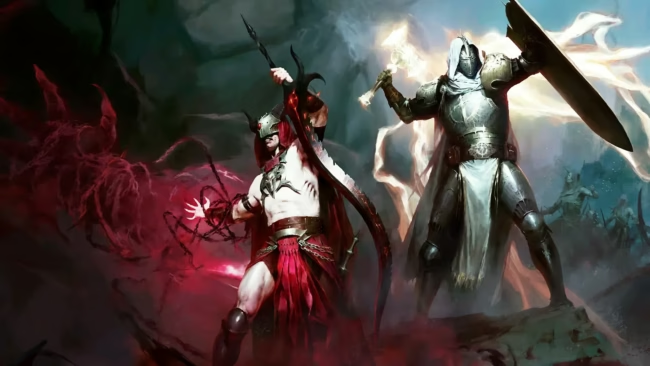
The Diablo 4 meta is not controlled by any single party. Blizzard creates the conditions. Streamers find the edges. Guilds distribute the discoveries. Third-party platforms make it all searchable and accessible. The players who thrive in this ecosystem are the ones who understand how it works and position themselves to receive information early rather than react to it late. In Season 13, with two new classes and a rebuilt progression system, that understanding matters more than ever.