
Driving has always had a close relationship with music. Long before smartphones and streaming platforms existed, motorists carefully selected CDs, radio stations, or cassette tapes to soundtrack commutes and road trips.
Music has long shaped the emotional atmosphere inside a vehicle, influencing how journeys feel and how drivers connect with the experience of being on the road.
What has changed in recent years is the level of personalisation.
Streaming platforms have transformed music from a passive background feature into a highly curated part of modern driving culture.
Today’s motorists no longer simply listen to whatever happens to be on the radio. Instead, they build playlists tailored to moods, destinations, seasons, aesthetics, and even specific types of journeys.
This shift has subtly changed the way people experience driving itself.
The Car Has Become a Personal Audio Space
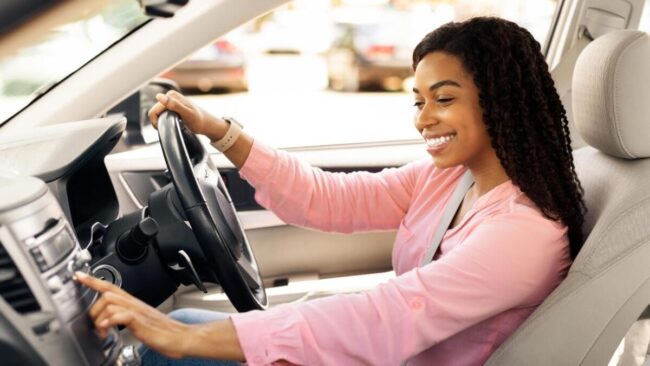
Modern vehicles increasingly function as private environments where people spend significant portions of their day.
Commutes, traffic delays, weekend drives, and long-distance travel all create opportunities for drivers to consume media in ways that feel personal and immersive.
Streaming platforms such as Spotify and Apple Music have amplified this by allowing instant access to highly customised listening experiences.
A morning commute might involve a carefully curated podcast playlist, while a late-night motorway journey could be paired with atmospheric electronic music or nostalgic tracks associated with travel memories. Road trips are now often planned with playlists in mind before the journey even begins.
This level of audio personalisation changes how drivers emotionally engage with travel. The experience becomes less about simply getting from one place to another and more about creating a particular atmosphere during the drive itself.
Algorithms Have Replaced Traditional Radio Culture
For decades, radio played a central role in British driving culture. Shared listening experiences helped shape public music trends, and certain stations became closely associated with commuting routines or long motorway drives.
Streaming platforms have disrupted that collective model.
Algorithm-driven recommendations now create deeply individualised listening habits. Two people driving the same route may experience entirely different soundtracks based on their personal tastes, listening history, or mood.
This reflects a wider cultural shift toward individualisation across consumer behaviour. Drivers increasingly expect vehicles to adapt to their personal preferences, whether through infotainment systems, lighting configurations, seat settings, or audio experiences.
Music has become another layer of automotive identity.
Road Trips Have Become More Curated Experiences

Playlist culture has also changed how people approach road travel itself.
Road trips are no longer simply spontaneous journeys accompanied by whatever music happens to be available.
Increasingly, they are carefully curated lifestyle experiences documented online through photography, video content, and social media storytelling.
Music plays a major role in shaping those narratives.
Specific genres become associated with particular types of driving experiences. Indie playlists often accompany countryside escapes, electronic music pairs with night-time city driving, and nostalgic tracks are frequently linked to coastal road trips or summer travel content.
This relationship between driving and curated soundtracks has become especially visible on social media platforms, where music is often used to reinforce the emotional tone of automotive content.
The soundtrack is now considered part of the overall driving aesthetic.
Technology Has Reinforced the Shift

Advances in vehicle technology have made personalised audio experiences more seamless than ever.
Modern infotainment systems integrate directly with streaming platforms, voice assistants, and smartphone ecosystems. High-quality sound systems, ambient lighting, and quieter EV cabins further enhance the listening environment.
Electric vehicles, in particular, have changed how drivers experience in-car audio. Without the constant noise of combustion engines, music, podcasts, and immersive sound systems become more prominent parts of the driving experience.
This has encouraged manufacturers to place greater emphasis on interior atmosphere and digital comfort rather than purely mechanical performance.
The car is increasingly viewed as a connected living space rather than simply a machine for transportation.
Driving Culture Is Becoming More Lifestyle-Oriented
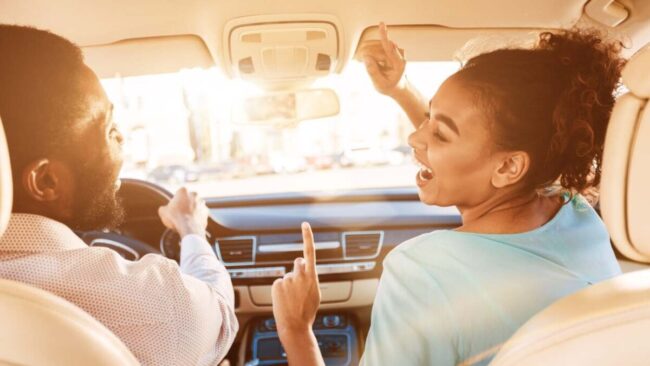
The rise of playlist culture also reflects broader changes in automotive identity.
Younger drivers often approach car ownership through lifestyle and emotional experience rather than traditional performance metrics.
A vehicle’s atmosphere, technology integration, and aesthetic presentation may matter just as much as acceleration figures or engine specifications.
This shift helps explain why personalisation continues to grow across modern automotive culture.
Drivers want vehicles that reflect their tastes, habits, and identities. Music preferences become part of that wider self-expression alongside interior styling, lighting choices, digital interfaces, and subtle visual modifications.
Even relatively small details contribute to this sense of identity-driven ownership. Personalised registrations and refined finishing touches increasingly appeal to motorists who view their vehicles as extensions of personal style rather than purely functional assets.
Companies such as Number 1 Plates reflect this wider movement toward subtle forms of automotive individuality within modern lifestyle-focused car culture.
Shared Playlists Have Replaced Shared CDs
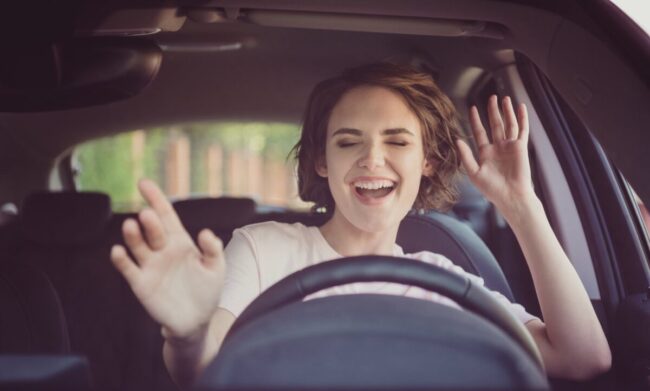
Another interesting development is how playlists have changed social experiences around driving.
In previous decades, music sharing often involved physical media — mixtapes, burned CDs, or recommendations exchanged between friends. Today, collaborative playlists and streaming links allow groups to build shared soundtracks for journeys in real time.
This has made music a more interactive part of group travel.
Friends preparing for road trips frequently create playlists together beforehand, while couples or families often build recurring travel soundtracks associated with particular destinations or experiences. Music becomes tied to memory formation in ways that reinforce emotional connections to driving.
The modern road trip is increasingly defined not just by the route itself, but by the soundtrack accompanying it.
Conclusion
Playlist culture has fundamentally changed how people experience driving. Streaming platforms and personalised audio ecosystems have transformed music from background entertainment into a central part of modern automotive identity and travel culture.
Driving today is often shaped as much by atmosphere and emotional experience as by the vehicle itself.
Curated playlists, immersive sound systems, and digital integration have made the car a more personalised space where music helps define mood, memory, and identity.
As vehicles continue evolving into connected lifestyle environments — particularly with the growth of EVs and advanced infotainment technology — the relationship between driving and personalised audio will likely become even more influential.
For modern motorists, the journey is increasingly experienced not only through the road ahead, but through the soundtrack that accompanies it.