
Traditional British gardens were designed for a climate that doesn’t really exist anymore and homeowners who had far more patience for weeding than we do.
So, if your outdoor space is high-maintenance and looks mediocre for eleven months of the year, it’s time for an upgrade. Check out the trends below to make sure you have the best-looking garden on the block.
Biodiversity-Boosting Plants
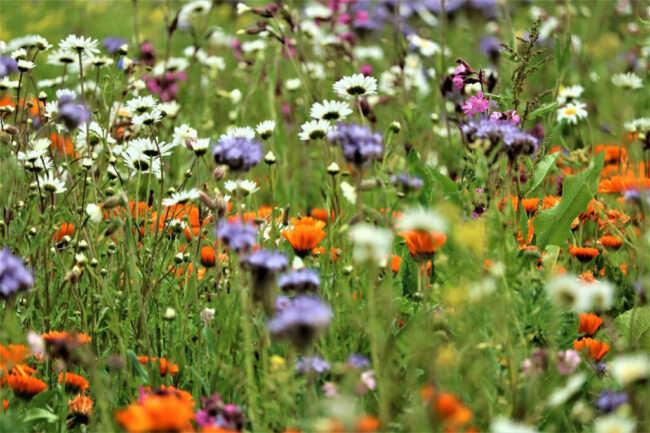
Every great garden starts with what you put in the ground, and in 2026, that means choosing plants that actually serve a purpose.
You’re probably seeing more native plants popping up, and for good reason. Foxgloves, hawthorn, and wild garlic are finding their way into gardens that used to house only hostas and ornamental grasses.
Plants that evolved in the UK support the insects, birds, and small mammals that live here. And while an imported ornamental shrub might look striking, it’s basically a food desert for local wildlife.
You don’t need to overhaul everything to make a difference, either. Add a few native plants here and there, and you’ll start to see great results. It’s one of the simplest upgrades you can make, and it doesn’t cost much to get started.
Low-Maintenance Landscapes
Once you’ve chosen plants that actually belong in your garden, the next step is making sure you’re not stuck maintaining them every weekend.
You’ll hear ‘right plant, right place’ a lot, but it’s not just a throwaway phrase anymore. If you match plants to your soil and how much sun your space gets, they’ll mostly take care of themselves.
It also helps to plan for dry spells, especially now that summers have become a bit unpredictable. Plants like lavender, sedum, and ornamental grasses handle drought conditions well, so you won’t constantly reach for your watering can.
Climate-Adaptive Designs
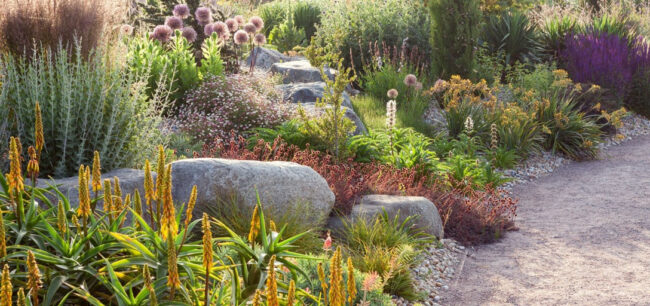
Speaking of unpredictable weather, gardens are now being designed to handle it.
You’ll see more features like rain gardens and permeable surfaces, which deal with heavy downpours by soaking water up instead of sending it straight towards the drains.
Raised beds with proper drainage also prevent that familiar autumn problem where everything ends up waterlogged.
At the same time, you can shape the space to work in your favour. Walls, hedges, and well-placed planting can create sheltered microclimates that protect more delicate plants and stretch the growing season a bit further.
Outdoor Living Zones
With your plants sorted, let’s now talk about how you use the space. A patio and a table used to be enough, but that’s changed. Now, you’re more likely to see gardens broken into distinct zones for dining, lounging, cooking, and even working, all within the same space.
Add in pergolas with weather-resistant canopies, sunken seating, and outdoor rugs, and it’ll start to feel less like a garden and more like an extension of your home.
Just think about it. If you’re putting time and money into your garden, you’ll want to use it comfortably for more than just a few optimistic weeks of sunshine.
Meadow-Style Lawns
You’ve probably noticed it already. Traditional, closely cut lawns are giving way to looser and more natural styles.
Instead of uniform grass, more people are letting it grow out and mixing in wildflowers like oxeye daisies, ragged robin, and yellow rattle.
Generally, these lawns need less watering, fertilising, and chemical treatments. So, you’ll end up saving both time and money without sacrificing how your garden looks.
If you’re worried it might come across as untidy, a simple mown path running through longer grass is usually enough to bring some structure back in.
Edible Gardens
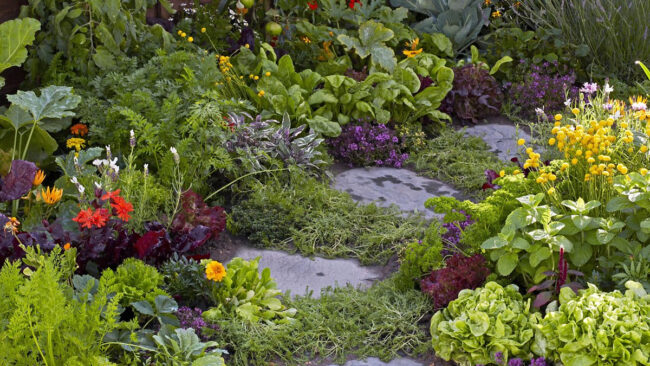
Kitchen gardens are having a moment, but they don’t look the way they used to.
You’re not limited to rows of cabbage tucked away in a separate patch anymore. You can now have courgettes growing alongside dahlias, herbs worked into ornamental borders, and fruit trees trained flat against walls to make the most of your space.
Better yet, there’s no real trade-off anymore. A gooseberry bush or a climbing bean frame, for instance, can look just as good as anything purely ornamental.
And once you’ve grown something yourself, even if it’s just a handful of tomatoes, it’s hard to go back.
Space-Saving Vertical Systems
If your garden feels smaller than you’d like, which most do, the easiest way to create more space is to use the height you’ve already got.
Living walls, tiered planters, and simple growing setups can turn a bare fence into a herb wall or a narrow side return into a compact kitchen garden without making the space feel cramped.
You can take the same trick with your plants, too. Climbers, like clematis, jasmine, and espaliered fruit trees, add greenery and soften walls and fences. So, they don’t just sit there looking lifeless.
It’s not limited to gardens, either. If you’ve got a balcony, you can still use vertical space to make those dead corners useful.
Eco-Friendly Hard Materials
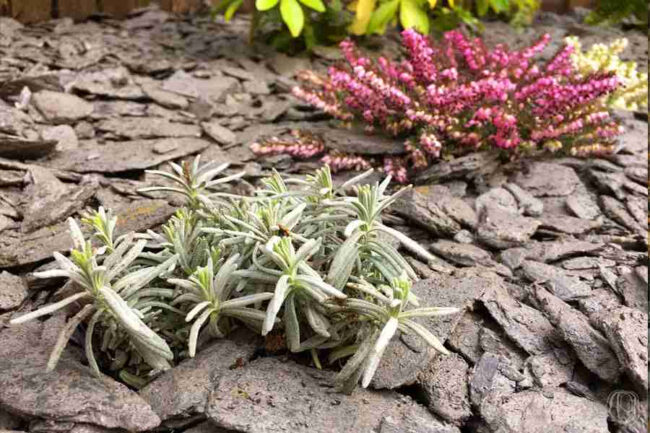
If you’re choosing hard materials, think beyond whatever is easiest to source.
Reclaimed options are becoming the go-to for a reason. Old bricks, salvaged stone, and reused timber bring a kind of warmth and character that new materials rarely match.
Also, pay attention to how surfaces handle water. Permeable paving lets rain soak through instead of running off, which helps with drainage and prevents that harsh, solid look you get with concrete.
If you want something simple that just works, gravel and crushed slate are hard to beat. They’re affordable, low-maintenance, and especially useful as mulch, keeping moisture in and weeds down without much effort from you.
Automated Tech
By now, your garden should look much better. So, why not let tech handle the routine chores you don’t have time for?
Smart irrigation systems are the headline act here. They use real-time weather data and soil moisture sensors to water plants only when they actually need it, which cuts down on waste and removes one more job from your weekend.
If you’ve still got lawn to deal with, robotic mowers can take care of that without much input from you. The newer ones are clever enough to work around obstacles and, in some cases, avoid wildlife areas while they’re doing their rounds.
Lighting has had an upgrade, too. Low-energy LED systems, paired with sensors or timers, mean your garden still looks great at night without the electricity bill creeping up behind it.
Multi-Purpose Layouts
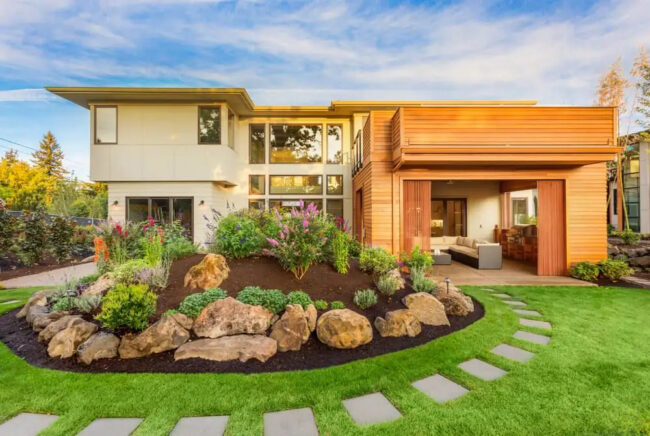
When you bring all of this together, you’ll start to see what’s shaping the best gardens right now. They’re not designed to do just one thing. They’re expected to do several, all at once.
If you’re working with a professional garden design service, this is the result you should expect.
Instead of ending up with a space that’s decorative or practical, you’ll get a garden that works on multiple levels. It can feel like an outdoor room, support wildlife, grow food, and still look good without one aspect cancelling out the others.
After all, biodiversity, low maintenance, outdoor living, climate resilience, edible planting, vertical growing, sustainable materials, and smart tech aren’t separate trends. They come together to create a garden that works as a whole.
Conclusion
Your garden doesn’t have to be perfect. It just has to be better than it was yesterday. And from the sound of things, you’re already on your way.
So, pick one or two ideas that make sense for your space and your budget, and build from there. The results might just surprise you.