
Have you ever found yourself talking more about the fireworks, celebrity cameos, or viral dance routines than the competition that followed? It happens more often than fans like to admit. In recent years, opening ceremonies at major sporting events have grown into full-scale entertainment spectacles, sometimes rivaling halftime shows in production value.
The question is not whether these performances are impressive. They usually are. The real question is whether they shift attention away from the athletes who trained their whole lives for that moment.
For sports fans, this debate feels a bit like arguing whether flashy pregame hype helps the team or distracts them before kickoff.
The original purpose of opening ceremonies in sport
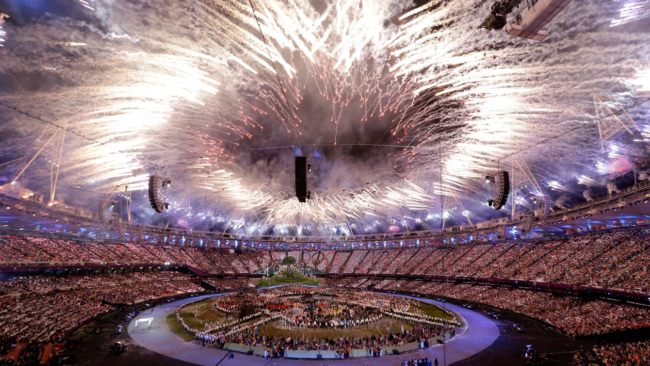
Opening ceremonies were never meant to compete with the sport itself. Historically, they served as a formal welcome, a symbolic handshake between host nation and competitors. Think of it as the respectful walkout before a boxing match, not the fight itself.
At their core, these ceremonies aim to set the tone and honor the athletes. They usually focus on tradition, unity, and anticipation rather than spectacle alone. Over time, however, expectations shifted.
Key elements of traditional ceremonies included:
- Parade of athletes to acknowledge participation and diversity.
- Cultural displays highlighting the host country’s identity.
- Simple artistic performances tied to history or national pride.
As budgets grew and global audiences expanded, organizers began treating opening ceremonies like primetime broadcasts. That shift planted the seeds for today’s debate.
When spectacle becomes the headline instead of the competition
In modern sports culture, attention is currency. Organizers know that a jaw-dropping ceremony can dominate social media and news cycles before a single whistle blows. The risk is that the event itself becomes the warm-up act.
Fans often remember the singer, the stage design, or the controversy more vividly than the opening matches. In cricket, football, or athletics, that imbalance feels odd. The athletes are supposed to be the main event.
Even fan engagement starts earlier than it used to. Long before the first ball is bowled or the opening whistle blows, supporters are already weighing conditions, lineups, and momentum. That early buildup often overlaps with how fans follow the sport itself, whether that’s debating form in group chats or casually checking 1xBet cricket betting markets while watching the ceremony unfold.
The spectacle can energize the audience, but it can also steal oxygen from the sport itself.
Athlete psychology and the pressure of a massive stage
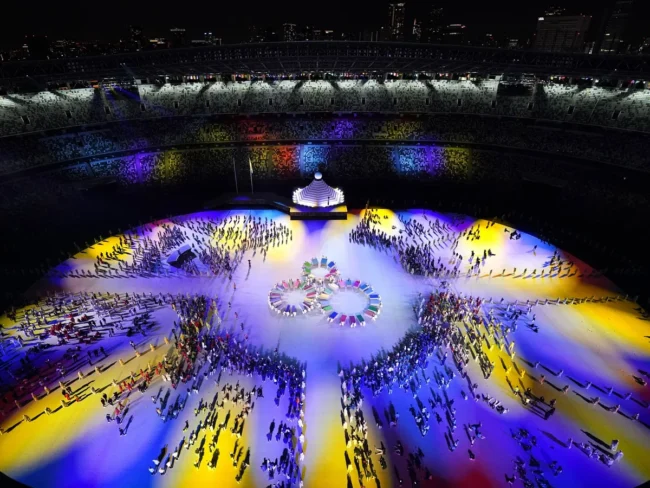
From an athlete’s perspective, opening ceremonies are not always a celebration. They can feel like standing on the sideline during an overproduced pregame show while trying to stay mentally locked in.
Elite competitors thrive on routine. Anything that disrupts focus can have consequences. Long ceremonies, loud music, and extended waiting periods may look glamorous on TV, but they can drain energy and concentration.
Common athlete concerns include:
- Extended time on their feet before competition.
- Sensory overload from lights, sound, and crowds.
- Difficulty maintaining pre-event mental routines.
For a sprinter, that delay can feel like false starts piling up. For a cricketer or footballer, it can mean cooling down before the real contest begins. The show might fire up fans, but it does not always help performance.
Media narratives and what fans remember afterward
Sports media plays a huge role in shaping what sticks in public memory. Headlines after opening ceremonies often focus on performances, fashion, or political symbolism rather than upcoming matchups.
This creates a strange imbalance. The narrative shifts from competition to commentary. Instead of breakdowns of tactics or athlete form, fans get opinion pieces about staging choices or celebrity appearances.
Consider how coverage usually unfolds:
- Ceremony highlights dominate the first news cycle.
- Controversies or viral moments overshadow previews.
- Actual competition analysis gets pushed to later coverage.
For fans who love the technical side of sport, this feels like skipping straight to the postgame show without watching the match. The ceremony becomes the talking point, not the sport it introduces.
A look at scale versus substance across different events
Not all opening ceremonies face the same criticism. Smaller tournaments often strike a better balance because they cannot afford excess. Larger global events, on the other hand, sometimes struggle to rein things in.
Here is a simple comparison of how scale affects perception:
| Event scale | Ceremony focus | Fan takeaway |
| Local or regional | Tradition and athletes | Anticipation for competition |
| Continental | Cultural showcase | Balanced excitement |
| Global mega-events | Spectacle and stars | Ceremony remembered more than sport |
The issue is not size alone. It is intent. When ceremonies prioritize storytelling that connects directly to sport, fans stay engaged. When they chase viral moments, substance can slip away.
Did you know how viewership behavior actually shifts?
Did you know that broadcasters often see a drop in live viewership shortly after opening ceremonies end? Many casual viewers tune in for the show, then leave before competition begins. That pattern tells a revealing story.
It suggests that ceremonies attract a different audience than the sport itself. While expanding reach sounds positive, it raises a concern about dilution. Are events being designed for fans or for fleeting attention?
A useful way to frame it is this: a great warm-up gets you ready to play, not tired before the first whistle. When ceremonies attract viewers who are not invested in the competition, they may inflate numbers without building lasting engagement.
This disconnect fuels the argument that ceremonies should support the sport, not overshadow it.
Where celebration ends and distraction begins
There is nothing wrong with celebration. Sport thrives on emotion, storytelling, and shared moments. The problem starts when those elements stop serving the competition.
A helpful way to think about balance is function. Every part of an event should have a clear role. When ceremonies stretch beyond that role, they risk becoming distractions.
Signs the balance is tipping include:
- Ceremony discussions lasting longer than match previews.
- Athletes openly criticizing scheduling or fatigue.
- Fans remembering performances but forgetting results.
This is similar to a team spending more time on flashy warm-ups than practicing fundamentals. It looks good, but it does not win games.
An opening ceremony is meant to frame the competition, not replace it. Its value lies in setting context, not stealing focus.
Finding a better balance without killing the magic
The solution is not to eliminate opening ceremonies. It is to refocus them. When done right, they can elevate sport rather than compete with it.
Organizers can keep ceremonies meaningful by:
- Centering athletes and their journeys.
- Limiting runtime to protect performance readiness.
- Tying artistic elements directly to sporting values.
Fans want atmosphere, not overload. Think of it like a perfect pre-match playlist. It fires you up without drowning out the game plan. When ceremonies respect that balance, they enhance anticipation instead of hijacking attention.
Sports are compelling enough on their own. They do not need to be hidden behind fireworks.
As a sports fan, it is hard not to admire the creativity and effort behind modern opening ceremonies. They can be beautiful, emotional, and memorable. Still, the heart of any sporting event remains the competition. Records, rivalries, and moments under pressure are what keep fans coming back season after season. When ceremonies start to overshadow that core, something feels off, like celebrating a win before the final whistle. The best events remember why fans showed up in the first place, for the sport, the athletes, and the unpredictable drama that only competition can deliver.