
A few years ago, plenty of people called tiny houses a fad that would fade once the TV shows ran out of episodes. That never happened. In 2026, tiny homes are still pulling in first time buyers, retirees, and homeowners who want a little extra space out back, and the reasons are far more practical than trendy.
Key Takeaways
- A median existing home price of around $417,500 keeps nudging buyers toward smaller options.
- The tiny homes market is projected to grow from about $14 billion in 2026 to $17.73 billion by 2030.
- Most tiny houses don’t qualify for a traditional mortgage, so personal loans and cash do the heavy lifting.
- Backyard units and ADUs have become the easiest legal route to tiny living in many cities.
- State rules swing wildly, from Colorado’s certification program to Texas counties that can’t zone at all.
- Zoning, utilities, and paperwork matter more than floor plans when you are just getting started.
The Money Math Is Hard to Ignore

Let’s start with the obvious reason. According to the National Association of REALTORS®, the median existing home price hit $417,500 in September 2026, marking 39 straight months of yearly gains. For a lot of people, that number is simply out of reach.
Now compare it to a tiny house. NerdWallet puts the typical price between $30,000 and $100,000, depending on land and utilities. It also notes that 68% of tiny homeowners have no mortgage, compared with roughly 40% of all U.S. homeowners.
What You Are Actually Paying For
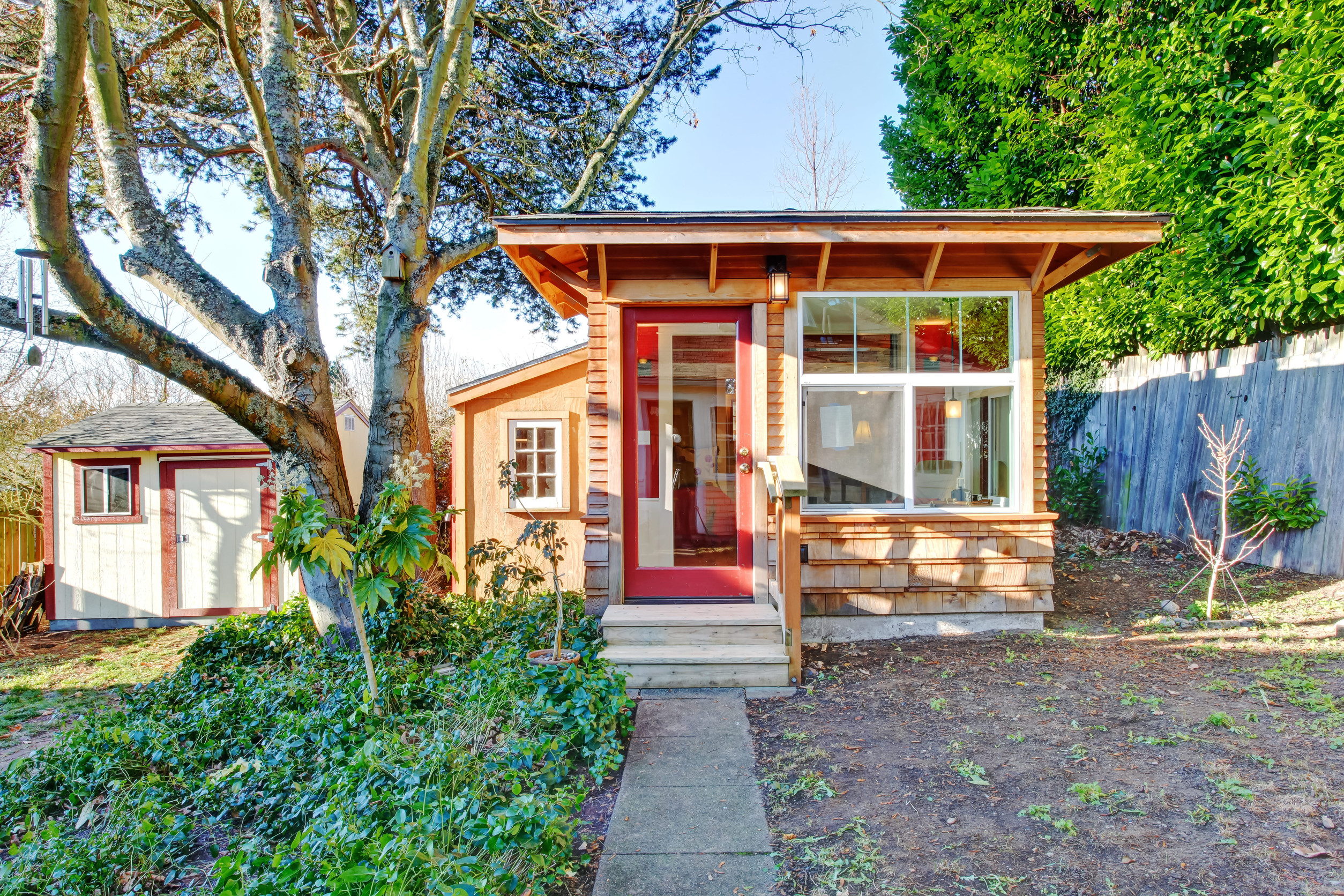
The sticker price is only one piece of the puzzle. Buyers often forget the extras until the bills show up. Here is what usually adds up:
- The home itself, on a foundation or on a trailer
- Land, or monthly lot rent in a community
- Utility hookups for water, sewer, and power
- Permits, inspections, and site preparation
- Insurance, which can be harder to find for movable homes
Why Lenders Get Nervous
Many lenders set minimum loan amounts around $50,000 and require a permanent foundation, which rules out a lot of tiny houses right away. Most buyers end up with personal loans instead, and APRs can run anywhere from 6% to 36% depending on credit. Paying a large share in cash saves a lot of interest.
The Market Keeps Growing, Just More Quietly
The hype has cooled, but the numbers haven’t. An industry report covered by Yahoo Finance values the market at $13.17 billion in 2025 and expects $17.73 billion by 2030, with North America as the largest region. Prefab building, energy efficient homes, and affordable housing needs are the main drivers, while tariffs are pushing material costs up.
That staying power makes sense. Tiny houses solve a real problem, and that rarely goes out of style. It’s a bit like why French press brewing is still popular in 2026, since simple things that work tend to stick around after the buzz is gone.
How People Are Using Tiny Homes Now
The image of a young couple living off grid in the woods is still out there. It just isn’t the whole story anymore. Most buyers today want a solution to an everyday need.
-
Backyard Units and ADUs
This is the biggest growth area. Homeowners add small units for aging parents, adult kids, or rental income. Others turn them into a home office or a quiet studio, where keeping a positive creative workflow is easier without the dishwasher running next door.
-
Downsizing Without Ladders
Retirees are a growing slice of the market. Many skip the loft bedroom entirely, because climbing a ladder at night gets old fast. Single level layouts make aging in place far more realistic.
State Laws Are All Over the Map
There is no single national rule for tiny homes. What is easy in one state can be nearly impossible in the next. A few extreme examples show just how wide the range is.
The International Code Council added Appendix Q to the 2018 International Residential Code for homes of 400 square feet or less. It was the first set of tiny dwelling standards in a model code. Still, it only becomes law where a state or city adopts it.
Colorado Takes Charge at the State Level
Colorado went further than most. The Colorado Division of Housing reviews plans and inspects the construction of tiny homes, including units built on a chassis. Local governments still handle on site work like permits and foundations, and certified units get a clear legal path to long term living.
Still, it seems to be among the tops states for tiny living:
Washington Opens the Backyard
Washington took a different route. The Washington State Department of Commerce explains that cities inside urban growth areas must allow two ADUs per residential lot. They also can’t require the owner to live on site unless the unit is a short term rental.
Texas Leaves Counties Out of Zoning
Texas sits at the opposite extreme. As Dallas County explains, only cities in Texas can adopt zoning ordinances. Rural, unincorporated land is often far more flexible, although septic and floodplain rules can still apply.
| State | How It Handles Tiny Homes | What It Means for You |
| Colorado | State plan review and inspection | Clearer path to permanent living, with state rules to follow |
| Washington | Two ADUs allowed per lot in urban growth areas | Backyard units are easier to permit in many cities |
| Texas | Counties have no general zoning power | Rural land is flexible, while city rules can still be strict |
Getting Started Without Expensive Mistakes
View this post on Instagram
Most tiny home headaches come from skipping the boring stuff. Nobody gets excited about zoning maps. Still, one call to your local planning office can save more money than any floor plan.
Ask whether your town treats a tiny house on wheels as an RV, a home, or an ADU, since that decides where you can park and whether you can connect utilities. Most permit offices also want a drawing showing where the unit sits, how far it is from property lines, and where water and power will run. A surveyor or a service such as Get A Site Plan can prepare one before you apply.
If your home has wheels, moving day is part of the deal. Hauling a house sounds wild, but entire buildings show up on the list of unusual items that get moved every day around the world. Low bridges and overhead cables need checking ahead of time.
FAQ
Still not sure if you should choose a tiny house? Here are some pro’s and con’s.