
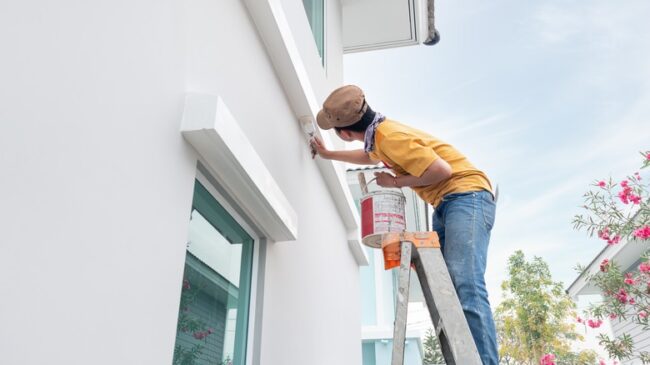
Winter doesn’t ease into a home gently. It arrives with moisture, wind, and temperature swings that test every exposed surface. Paint that held up fine through summer can start failing the moment conditions turn cold. Catching the warning signs early, before the season sets in, gives homeowners a chance to act. A timely repaint protects the structure, keeps repair bills down, and helps a home weather the colder months.
1. Paint Is Visibly Peeling or Flaking
Peeling rarely stays contained. What starts as a small lifted edge at a corner or trim line tends to spread once moisture gets underneath. The substrate beneath absorbs water, wood begins to soften, and the conditions for rot and mould develop quickly. Cold weather speeds that process along, turning what looked like a minor surface issue into something that requires far more than paint to fix.
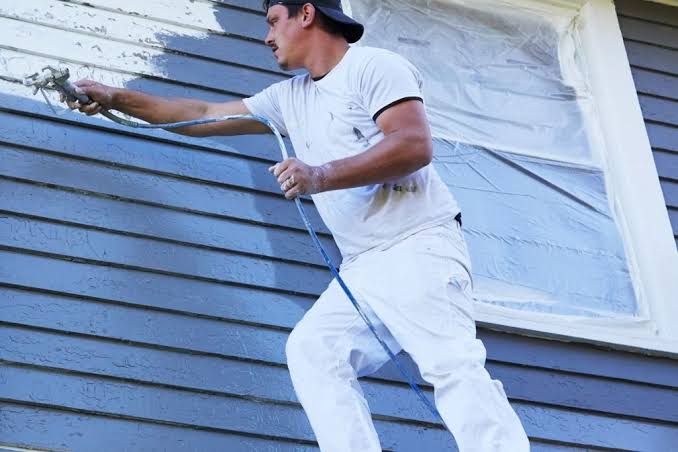
Bringing in experienced house painters in Wellington at this point makes perfect sense. Professionals don’t just apply a new coat. They assess what caused the failure, prepare the surface correctly, and choose products that hold up in the local climate. That groundwork is what makes the difference between a repair that lasts and one that needs redoing within a season.
1.1 Check Around Window Frames First
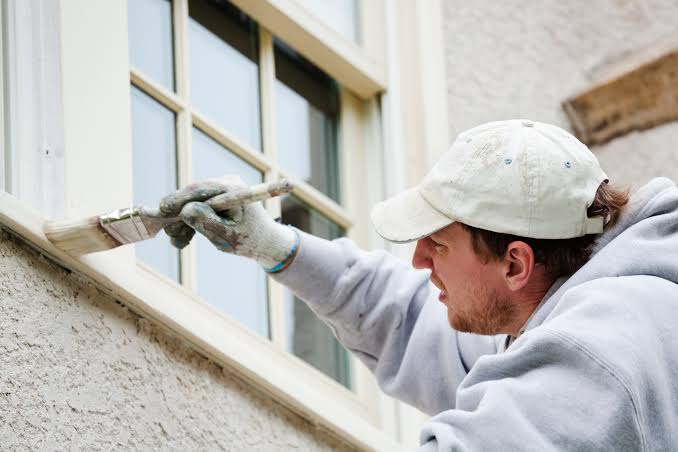
Window frames are usually the first place peeling shows up. The material around them contracts and expands with every temperature shift, and that constant movement pulls the paint loose over time. A careful look at these areas before winter gives a fair indication of how far the wear has spread across the rest of the exterior.
2. Fading or Chalking on the Surface
Extended sun exposure breaks pigment down at a molecular level. The visible result is a faded, washed-out finish with a chalky residue that transfers onto the hand when rubbed across the surface. At that stage, the coating is no longer protecting the wall beneath it. A fresh application before winter restores that barrier and gives the exterior a consistent, intact finish going into the colder months.
3. Cracks or Bubbling Across the Walls
Bubbles form when moisture becomes trapped beneath the paint film, often the result of inadequate surface preparation or a mismatched primer. Cracks point to a different problem: a coating that has hardened past the point where it can flex with the building. Either way, water now has a path into the wall. Left alone through a wet, freezing winter, both conditions tend to worsen considerably.
4. Wood Is Starting to Show Through
Bare wood sitting exposed on a home’s exterior is a problem that compounds quickly. It draws in moisture almost immediately, and as that moisture freezes and expands through the colder months, the wood swells, splits, and warps. Repainting while the damage is still surface-level seals the grain and cuts off the moisture before it has a chance to work deeper into the structure.
4.1 Pay Attention to Corners and Edges
Corners, trim edges, and the areas directly beneath rooflines are more exposed to wear than flat wall sections. Wind-driven rain hits these spots more directly, and the coating wears through faster as a result. These are the areas worth scrutinising most closely during any pre-winter inspection.
5. Staining or Mildew Has Appeared
Mildew on an exterior wall is a sign that the paint’s protective capacity has dropped below the point where it can resist organic growth. Dark streaks and green patches spread steadily in damp conditions, and winter adds consistent moisture to the environment. Cleaning the surface thoroughly and repainting with a product that includes mould-inhibiting properties breaks that cycle before it takes a stronger hold.
6. The Paint Age Exceeds Seven to Ten Years
A surface that still looks reasonable may not be functioning well at a protective level. Most exterior coatings reach the end of their effective lifespan somewhere between seven and ten years, depending on how much weather exposure the surface receives. Past that point, the chemistry that keeps moisture out has largely degraded, regardless of how the paint appears to the eye.
7. Previous Paint Is Incompatible With Current Conditions
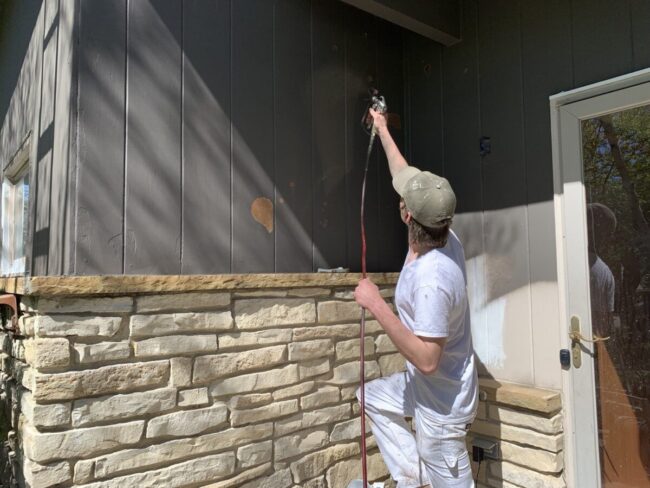
Some older paint formulations were never built for high moisture or significant cold. If a previous coat was applied without accounting for climate demands, it may be underperforming even before visible signs of wear appear. A proper surface evaluation can determine whether the existing coating is still doing its job or whether it needs to come off entirely before a new one goes on.
8. Temperature and Humidity Affect How Well Paint Cures
Even with the right product and the right prep, timing still matters. Most exterior paints need daytime temperatures to stay above roughly 10°C and nighttime temperatures to avoid dipping below freezing while the coating cures. Apply paint too close to the cold snap, and the film may not bond properly, leading to early cracking or peeling the following spring. Humidity plays a similar role ─ damp air slows drying time and can trap moisture beneath the surface, undermining the very protection the new coat is meant to provide.
This is why waiting until the first frost warning to call a painter often backfires. A narrow stretch of stable, dry weather is needed for the paint to cure fully, and that window shrinks fast as autumn progresses.
Homeowners who schedule their exterior painting in early-to-mid autumn, rather than waiting for visible damage to force the issue, give the coating the best possible conditions to set properly. Booking early also means avoiding the seasonal rush when painters are fielding last-minute jobs from everyone who waited too long.
Conclusion
The window between late autumn and the first hard freeze is short, but it’s exactly when exterior paint decisions matter most. Peeling, chalking, cracking, mildew, and thinning paint over bare wood are all signs a home’s outer layer is no longer holding up.
Addressing those issues before winter sets in protects the structure from moisture damage, keeps maintenance costs from escalating, and preserves the property’s condition through the season. It’s a straightforward investment with returns that show up year after year.