
Malaysia packs a lot into one trip. In a single itinerary you can wander through a colonial-era city, eat at a night market, sleep over the water, and spot wild orangutans in the rainforest. For first-time visitors, the country is also very easy to navigate, provided you know what to prepare for. The tips below focus on the practical details that make the difference between a stressful arrival and a smooth start.
Table of Contents
- Check entry requirements early
- Choose the right regions for your trip
- Plan your money and payments
- Learn the basics of local etiquette
- Understand your transport options
- Eat your way through the street food scene
- Time your visit around the weather
- Book wildlife and nature trips responsibly
- Pack for heat, rain, and temples
- Stay safe and aware in busy places
1. Check Entry Requirements Early
Entry rules depend on your nationality, so start with the official sources rather than third-party summaries. The official Malaysia tourism portal at Malaysia Truly Asia explains the arrival process, and the UK government’s entry requirements guidance for Malaysia is a useful reference for how passport and visa rules are applied in practice.
Key items to prepare before you fly:
- A passport that is valid for at least six months beyond your arrival date, with blank pages
- The Malaysia Digital Arrival Card (MDAC), which can be submitted up to three days before you arrive
- Proof of onward or return travel and enough funds for your stay
- Copies of your passport and any visa pages, stored separately from the originals
2. Choose the Right Regions for Your Trip
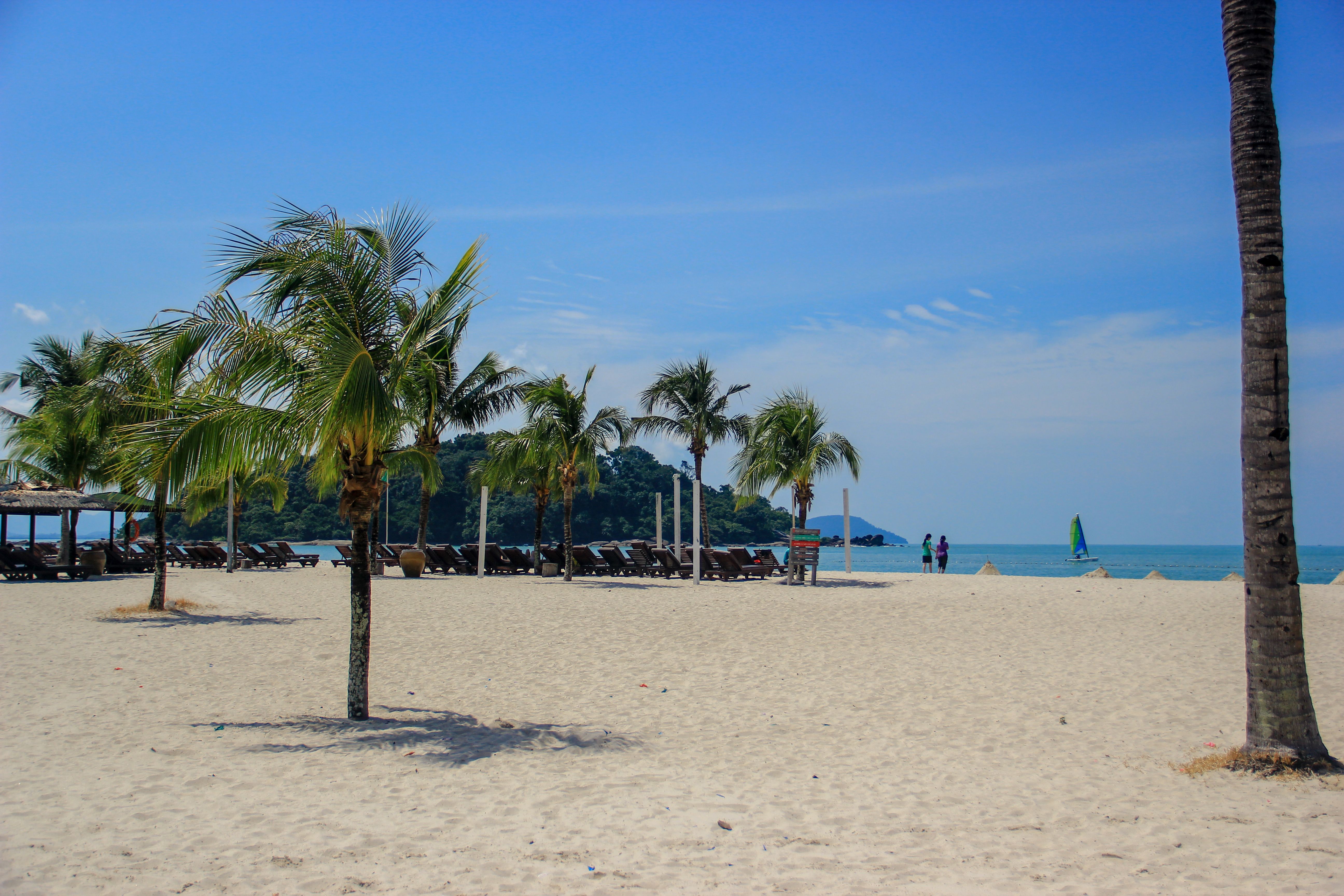
Malaysia is split into Peninsular Malaysia and East Malaysia, the latter made up of Sabah and Sarawak on the island of Borneo. Most first-timers base themselves in one or two areas rather than trying to see everything. Kuala Lumpur and Penang suit city lovers, while Langkawi and the Perhentian Islands are better for beaches. Sabah and Sarawak are where you go for jungle, river, and wildlife experiences.
Travelling between the peninsula and Borneo is possible by air, and it is worth remembering that you will need to pass through immigration control and carry your passport when you cross.
3. Plan Your Money and Payments
The local currency is the Malaysian ringgit (MYR), often shown as RM. Cards are widely accepted in hotels, malls, and larger restaurants, but cash is still essential for hawker stalls, markets, and smaller towns. A few practical points to keep in mind:
- Carry a mix of small notes for taxis, markets, and tips
- ATMs are common in cities but become scarcer in rural areas and parts of Borneo
- Some restaurants add a card surcharge, so ask before paying by card
- Declare large amounts of cash on arrival; the threshold is generally US$10,000 or more in cash or negotiable instruments
Digital wallets such as Touch ‘n Go, GrabPay, and Boost are popular with locals, and they can be handy for transport and small purchases if you set them up in advance.
4. Learn the Basics of Local Etiquette
Malaysia is a multicultural country with Malay, Chinese, Indian, and Indigenous communities, and customs vary between them. A few habits are useful almost everywhere:
- Remove your shoes before entering a home, mosque, or many temples
- Use your right hand when eating, handing over items, or shaking hands
- Point with your thumb rather than your index finger
- Dress modestly at religious sites, covering shoulders and knees; many sites lend robes or scarves
- Ask permission before photographing people, especially at religious ceremonies
For a deeper look at customs, the Rough Guides travel tips for Malaysia cover etiquette across different communities and occasions.
5. Understand Your Transport Options
Getting around Malaysia is generally straightforward, and the best option depends on where you are. The table below compares the most common choices for visitors.
If you plan to visit islands, check ferry schedules in advance, since sailings can be disrupted during bad weather and the monsoon season.
6. Eat Your Way Through the Street Food Scene
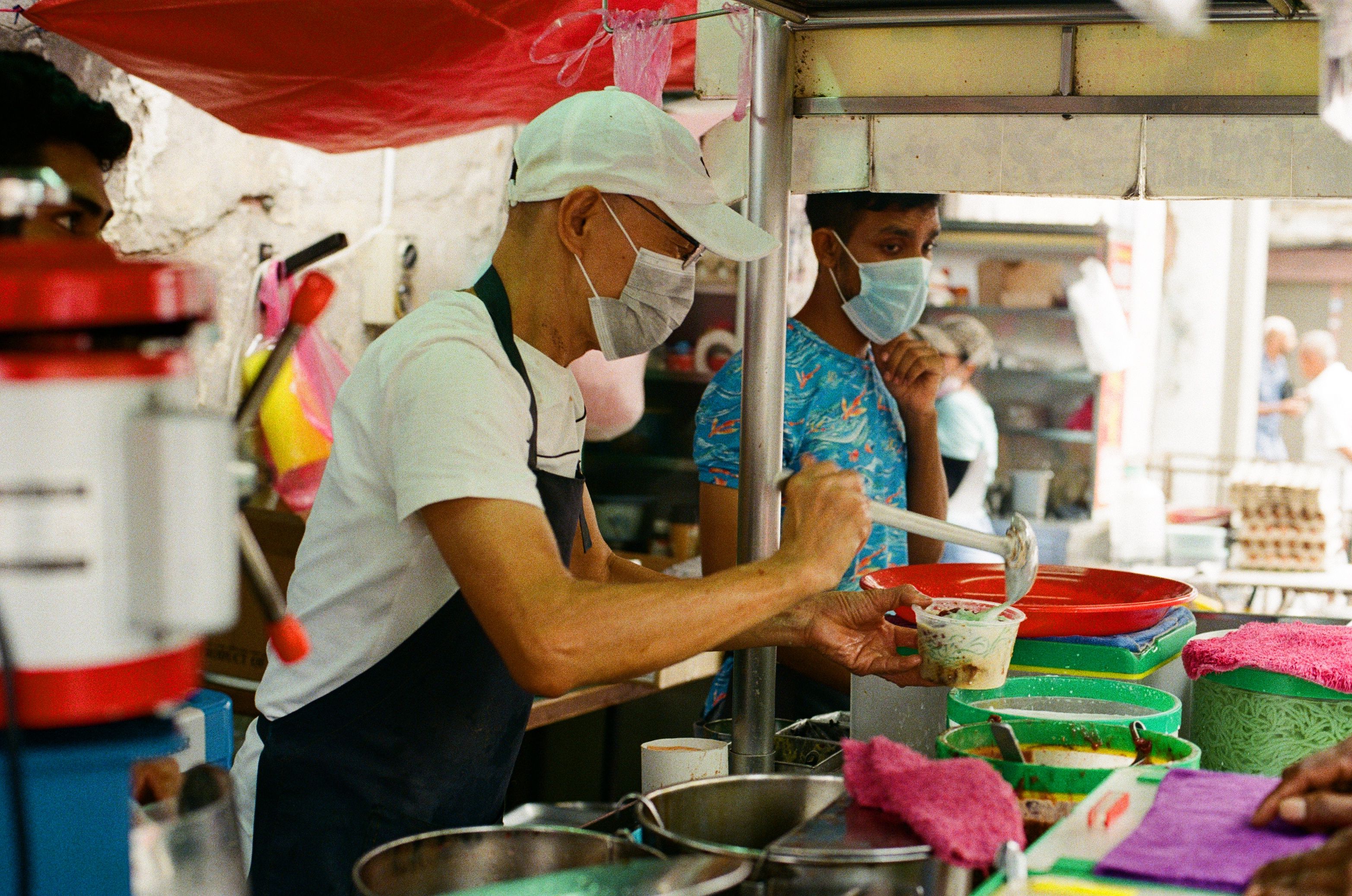
Food is one of the strongest reasons to visit Malaysia. Hawker centres and night markets offer Malay, Chinese, Indian, and Peranakan dishes at low prices. Good choices for a first meal include:
- Nasi lemak, coconut rice served with sambal, egg, and anchovies
- Char kway teow, stir-fried flat noodles
- Roti canai with dhal or curry
- Laksa, a spicy noodle soup with regional variations
Look for stalls with a steady queue of locals and food that is cooked to order. Let the crowd guide you, and do not be shy about asking what a dish contains if you have allergies or dietary restrictions.
7. Time Your Visit Around the Weather
Malaysia is hot and humid all year, with frequent afternoon showers. Rainfall patterns differ by coast, so timing matters. On the west coast, including Penang and Langkawi, the wetter months generally fall between late autumn and early spring, while the east coast often sees heavier rain during the northeast monsoon. Travel advisories note that flooding and landslides are more common during the wet season, which typically runs from around October to February.
Whatever month you choose, plan outdoor activities for the morning, keep a light rain jacket handy, and build a flexible schedule so a sudden downpour does not derail your plans.
8. Book Wildlife and Nature Trips Responsibly
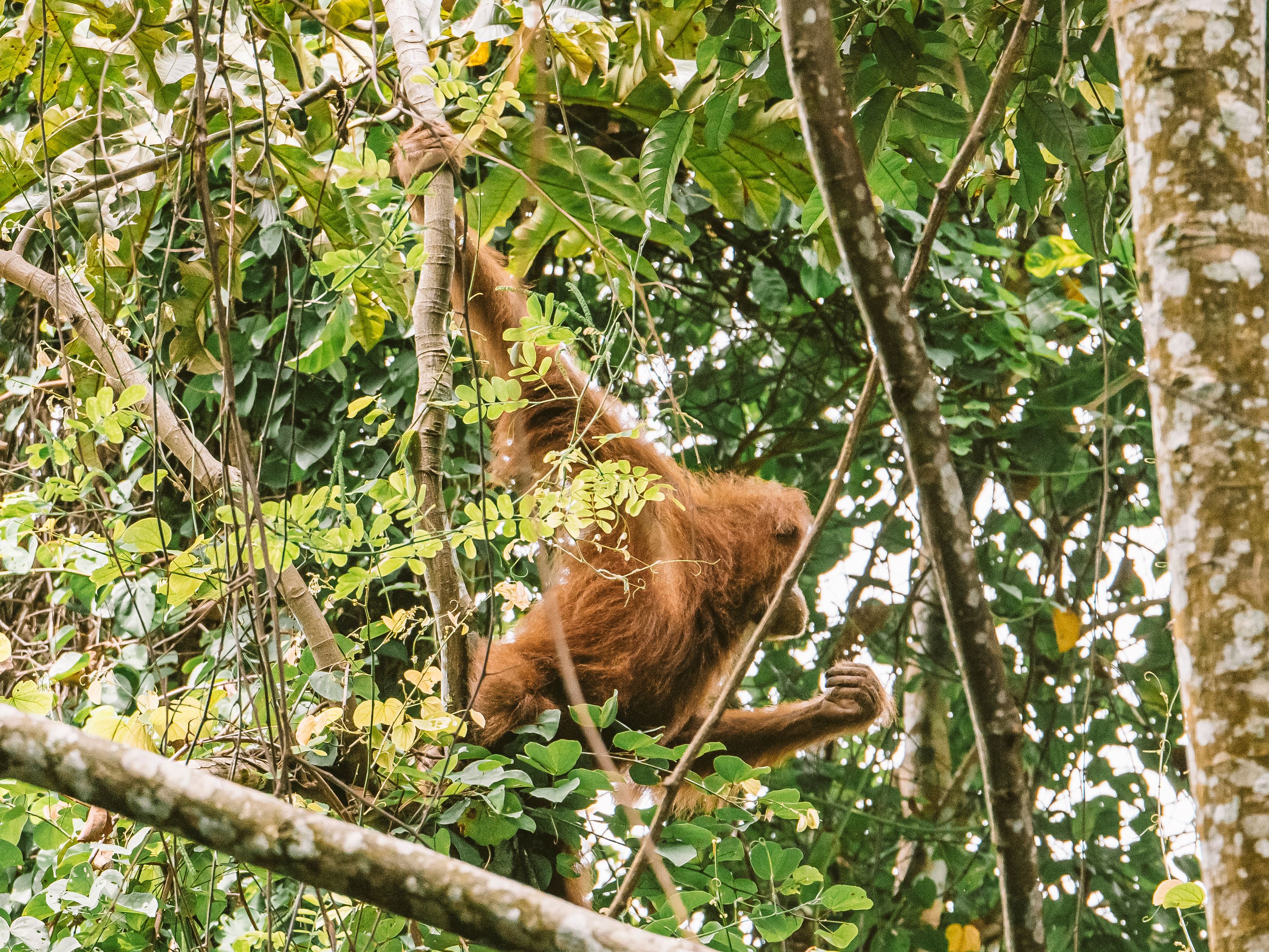
Borneo’s rainforests are home to orangutans, proboscis monkeys, and a remarkable range of birds. Wildlife viewing is one of the most memorable parts of a Malaysian trip, but it works best with licensed operators who follow park rules and keep distance from animals. Guided jungle walks, river cruises, and rehabilitation centres can offer excellent experiences when they are run responsibly.
Avoid any operator that encourages you to touch, feed, or pose with wild animals. Good guides will explain the rules before you set out, and they will be happy to answer questions about conservation.
9. Pack for Heat, Rain, and Temples
A well-chosen packing list makes Malaysia far more comfortable. Focus on breathable clothing and items that are easy to remove when you enter temples and homes:
- Lightweight, long-sleeved layers for sun and air conditioning
- Slip-on shoes, since you will take them off often
- A compact umbrella or waterproof jacket
- Reef-safe sunscreen and insect repellent for jungle and coastal trips
- A scarf or sarong for religious sites
Malaysia’s tropical climate is hard on heavy fabrics, so resist the urge to overpack. Laundry services are inexpensive in most cities.
10. Stay Safe and Aware in Busy Places
Malaysia is generally a welcoming destination, but common-sense precautions help. Petty theft, bag snatching, and card fraud are the most frequently reported issues in tourist areas. Keep your bag on the side away from traffic when walking, keep an eye on your phone in crowded places, and watch your drink when you are out at bars. Use registered taxis or ride-hailing apps rather than unmarked vehicles, and check the travel advice from your own government before you leave.
Final Thoughts Before You Go
A first trip to Malaysia works best when you give yourself room to be flexible. Confirm your paperwork early, pick one or two regions instead of rushing across the whole country, and let the food and local customs shape your days. The country rewards curiosity, so the more you ask and observe, the more you will take home.