
A clean bedroom is more than just visually pleasing—it directly affects your mood, productivity, sleep quality, and overall well-being. In today’s busy world, maintaining a tidy personal space often feels difficult, especially when work, school, and daily responsibilities pile up.
That’s why many homeowners and renters are turning to smart cleaning strategies and modern solutions like CleaNESTOR to make bedroom organization easier and more efficient from the start.
Whether you live in a small apartment, share a room, or have a spacious master bedroom, cleanliness doesn’t require perfection. Instead, it comes down to building practical habits and using smart organization techniques that keep clutter under control. In this guide, we’ll explore effective ways to keep your bedroom consistently clean without feeling overwhelmed.
Why a Clean Bedroom Matters

Your bedroom is the one place where you should feel calm and comfortable. Unfortunately, clutter and mess can quickly create stress and mental fatigue. Studies have shown that untidy environments may negatively affect focus, sleep, and emotional balance.
A clean bedroom offers several benefits:
- Better sleep quality
- Reduced stress and anxiety
- Improved air quality
- Increased productivity
- Easier morning and nighttime routines
- Less time spent searching for misplaced items
When your bedroom is organized, your mind often feels more organized too.
Start with Decluttering
The first step toward a clean bedroom is removing unnecessary clutter. Many people try cleaning around items they no longer need, which only makes the process harder.
Sort Your Belongings
Go through your room category by category:
- Clothes
- Shoes
- Accessories
- Books
- Electronics
- Decorations
- Old papers or receipts
Ask yourself a few simple questions:
- Do I use this regularly?
- Does this item serve a purpose?
- Would I buy this again today?
If the answer is no, consider donating, recycling, or throwing it away.
Use the “One-Year Rule”
If you haven’t used something in the past year, chances are you probably don’t need it anymore. This rule works especially well for clothing, unused gadgets, and random decorative items collecting dust.
Make Your Bed Every Morning
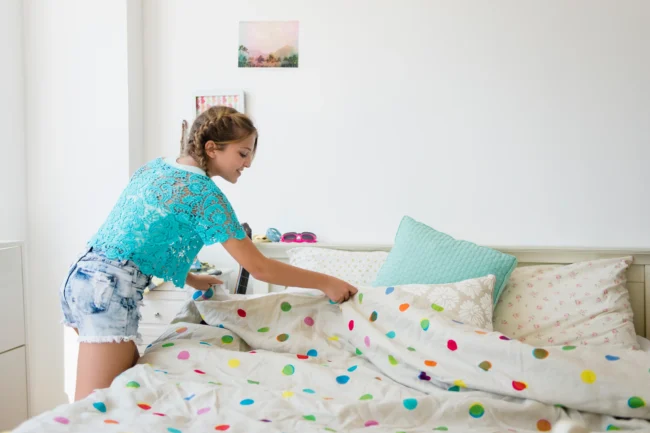
One of the easiest habits that instantly improves the appearance of your room is making your bed.
It takes less than five minutes but creates a noticeable difference. A neatly made bed makes the entire room look more organized, even if everything else isn’t perfect.
Additionally, making your bed in the morning creates a positive psychological effect. It encourages you to maintain cleanliness throughout the rest of the day.
Quick Bed-Making Tips
- Straighten pillows and blankets immediately after waking up
- Use simple bedding designs for easier maintenance
- Wash bed sheets weekly
- Rotate pillows regularly
Clean bedding also helps improve sleep hygiene and reduces dust buildup.
Create a Daily Cleaning Routine
The biggest mistake people make is waiting until their room becomes extremely messy before cleaning it. Instead of occasional deep cleaning, focus on consistent daily maintenance.
10-Minute Daily Bedroom Reset
Spend just 10 minutes each day doing the following:
- Put dirty clothes in the laundry basket
- Return items to their proper place
- Throw away trash
- Wipe visible dust
- Organize your desk or bedside table
Small daily actions prevent clutter from becoming overwhelming.
Organize Your Storage Space

A clean room requires proper storage solutions. Even if you clean regularly, a lack of organization will eventually lead to a mess.
Maximize Closet Space
Closets can easily become chaotic without a system. Keep yours organized by:
- Hanging frequently used clothing
- Folding seasonal items
- Using drawer dividers
- Storing shoes neatly on racks
- Labeling storage boxes
Avoid stuffing your closet beyond capacity. Overcrowded spaces often create more mess.
Use Under-Bed Storage
The space under your bed is valuable real estate. Store items like:
- Seasonal clothing
- Extra blankets
- Shoes
- Storage bins
- Travel bags
Choose flat storage containers to keep things neat and accessible.
Keep Laundry Under Control
Laundry is one of the biggest contributors to bedroom clutter. Piles of dirty or unfolded clothes can quickly make a room look chaotic.
Use a Laundry System
Place a laundry basket in your room and separate clothes immediately:
- Dark clothes
- Light clothes
- Delicates
This simple habit saves time later and prevents clothing from ending up on the floor.
Fold and Put Away Clothes Immediately
Many people wash clothes but leave them sitting in baskets for days. Once laundry is clean:
- Fold it immediately
- Hang what needs hanging
- Put everything away right away
Delaying this step often creates unnecessary clutter.
Dust and Vacuum Regularly
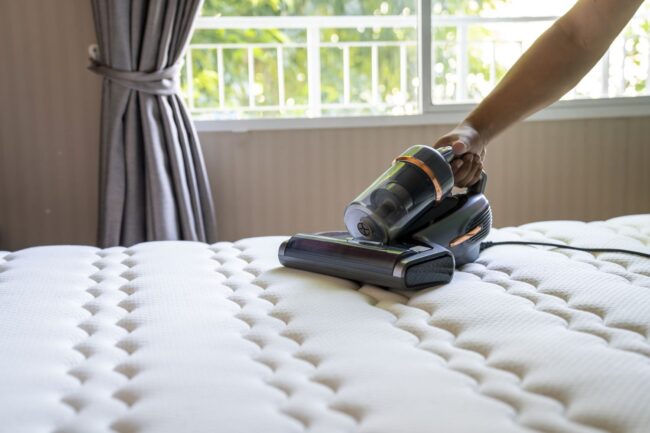
Even if your room looks tidy, dust and dirt can accumulate quickly.
Dust Weekly
Focus on areas like:
- Shelves
- Nightstands
- Ceiling fans
- Window sills
- Electronics
Use microfiber cloths for better dust removal.
Vacuum or Sweep Frequently
Bedroom floors collect:
- Dust
- Hair
- Fabric fibers
- Dirt from shoes
Vacuum carpets at least once a week. If you have hardwood floors, sweep and mop regularly.
Clean floors instantly make a room feel fresher.
Minimize Decorative Clutter
Decorations can make your room cozy and stylish, but too many decorative items create visual clutter.
Choose Functional Decor
Instead of overcrowding surfaces, select a few meaningful pieces like:
- Plants
- Lamps
- Framed photos
- Minimal artwork
- Small decorative trays
A minimalist approach often makes cleaning easier while still maintaining personality and comfort.
Develop Smart Nighttime Habits

A few small actions before bed can make mornings much easier.
Five-Minute Evening Cleanup
Before sleeping:
- Put away loose items
- Throw trash away
- Prepare clothes for tomorrow
- Clear your bedside table
- Place electronics neatly
Waking up to a tidy room immediately creates a calmer start to your day.
Avoid Eating in the Bedroom
Food crumbs, spills, and packaging quickly make bedrooms dirty and attract pests.
If possible, keep meals and snacks outside the bedroom. If you occasionally eat in your room:
- Dispose of trash immediately
- Wipe surfaces afterward
- Avoid leaving dishes overnight
This habit greatly improves cleanliness and hygiene.
Improve Air Quality
A clean bedroom isn’t just about appearance—it should also feel fresh.
Open Windows Regularly
Fresh air helps remove stale odors and improves circulation. Open your windows daily whenever possible.
Add Indoor Plants

Some plants can naturally improve air quality while enhancing room aesthetics. Popular low-maintenance options include:
- Snake plants
- Peace lilies
- Spider plants
- Aloe vera
Plants also create a calming atmosphere.
Create Cleaning Zones
Breaking your room into smaller sections makes cleaning more manageable.
Divide Your Room into Areas
Focus separately on:
- Bed area
- Closet
- Desk
- Floor space
- Nightstand
Cleaning one zone at a time feels less overwhelming and helps maintain consistency.
Limit What Comes Into Your Room
One overlooked cleaning strategy is reducing incoming clutter.
Before buying new items, ask yourself:
- Do I truly need this?
- Where will I store it?
- Will it create more clutter later?
Intentional purchasing habits prevent overcrowding and make the organization easier in the long term.
Use Smart Storage Furniture

Furniture with built-in storage can help maximize space, especially in smaller bedrooms.
Examples include:
- Beds with storage drawers
- Storage ottomans
- Floating shelves
- Multi-purpose nightstands
- Foldable desks
Functional furniture reduces visible clutter while improving organization.
Deep Clean Monthly
Daily tidying helps maintain order, but monthly deep cleaning is still necessary.
Monthly Bedroom Cleaning Checklist
- Wash curtains
- Clean mirrors and windows
- Vacuum under furniture
- Sanitize high-touch surfaces
- Organize drawers
- Rotate the mattress if needed
- Declutter hidden spaces
Deep cleaning prevents dirt accumulation and keeps your room feeling truly fresh.
Keep Electronics Organized
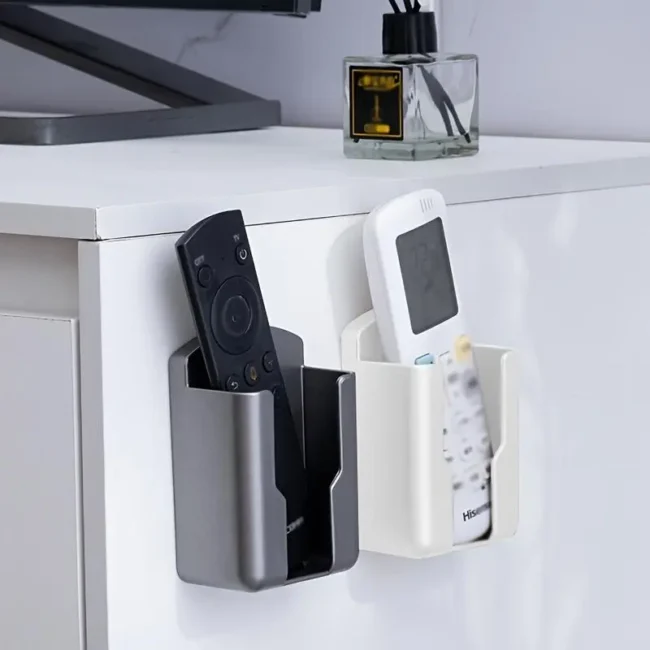
Chargers, cables, gaming accessories, and gadgets often create an unnecessary mess.
Manage Cables Properly
Use:
- Cable organizers
- Clips
- Small storage boxes
- Labeling systems
Keeping electronics organized improves both safety and appearance.
Create a Bedroom Cleaning Schedule
Consistency is easier when you have a clear plan.
Sample Weekly Cleaning Schedule
Daily
- Make bed
- Put away clothes
- Throw out trash
Weekly
- Vacuum floors
- Dust surfaces
- Change bed sheets
Monthly
- Declutter drawers
- Deep clean furniture
- Organize closet
Simple schedules help prevent cleaning from becoming stressful.
Teach Yourself the “Clean as You Go” Method
Instead of creating large messes, clean small things immediately.
Examples include:
- Hanging clothes after wearing them
- Returning books after reading
- Throwing away packaging instantly
- Wiping surfaces after use
These tiny habits reduce long-term effort dramatically.
Stay Motivated to Keep Your Bedroom Clean
Motivation can fade quickly, especially during busy weeks. To stay consistent:
- Play music while cleaning
- Set short cleaning timers
- Reward yourself after deep cleaning
- Take before-and-after photos
- Focus on progress, not perfection
Remember, a clean room doesn’t need to look like a magazine cover. It simply needs to feel comfortable, functional, and healthy.
Common Bedroom Cleaning Mistakes to Avoid
Many people unintentionally make cleaning harder by following ineffective habits.
Avoid These Mistakes
1. Letting Clothes Pile Up
Clothing clutter quickly spreads across the room.
2. Cleaning Without Decluttering
You can’t properly clean around excessive clutter.
3. Ignoring Hidden Areas
Dust under beds and furniture still affects cleanliness.
4. Buying Too Many Storage Containers
Too many bins can create confusion instead of organization.
5. Waiting for Motivation
Consistency matters more than motivation.
Final Thoughts

Keeping your bedroom clean doesn’t require expensive products, complicated systems, or hours of daily effort. The key is building sustainable habits that fit naturally into your routine.
By decluttering regularly, organizing your belongings, cleaning small messes immediately, and maintaining simple daily habits, you can create a bedroom that feels calm, refreshing, and stress-free.
A clean bedroom is ultimately an investment in your mental clarity, comfort, and overall quality of life. Start small, stay consistent, and remember that even a few minutes of effort each day can make a major difference over time.