
Most drivers don’t panic when they get a speeding ticket. It’s frustrating, of course. Nobody enjoys seeing flashing lights in the rearview mirror or paying a fine they didn’t budget for. In many cases, people simply pay the ticket and move on.
What sometimes gets overlooked is that the fine isn’t always the only consequence. Depending on the situation, a traffic violation can follow a driver long after the ticket itself is resolved.
That’s why understanding Ohio speeding ticket points is important. Many drivers focus on the immediate cost of the citation without realizing that points can accumulate over time and potentially affect driving privileges, insurance rates, and future interactions with the Bureau of Motor Vehicles.
The Point System Is Designed To Track Driving Behavior

Ohio uses a point system to monitor traffic violations and identify drivers who repeatedly break traffic laws. Different violations carry different point values depending on their severity.
The idea is fairly straightforward. A minor infraction may result in fewer points, while more serious violations typically result in more. Over time, those points create a record of a driver’s traffic history.
Many people don’t think much about points after receiving a ticket, especially if it’s their first violation. The problem often arises when additional citations start adding up.
Not Every Speeding Ticket Carries The Same Weight
One reason speeding tickets can be confusing is that they are not always treated the same way. A driver who is slightly over the speed limit may be in a very different position from someone accused of driving far above the posted limit.
The location can matter too. Speeding near a school zone, in a construction zone, or on a busy highway may create a different set of concerns than a routine citation on an open road. Even when the ticket looks simple, the details behind it can affect how serious the situation becomes.
Drivers should pay attention to details such as:
- The alleged speed
- The posted speed limit
- The location of the stop
- Whether there was an accident
- Whether other violations were listed
- The driver’s existing record
Those details can help explain why one ticket may be relatively manageable while another creates a larger problem.
Points Have A Way Of Sneaking Up On People
One speeding ticket may not seem like a big deal. Two or three over a period of years can start telling a different story.
Drivers sometimes assume that because they don’t receive tickets often, they don’t need to worry about the point system. Then they discover they’ve accumulated more points than they realized through multiple unrelated incidents.
That’s one reason it’s helpful to understand how the system works. Keeping track of your driving record can prevent unpleasant surprises later on.
Checking Your Record Can Prevent Guessing

A lot of stress comes from not knowing where things stand. A driver may remember paying a ticket but forget whether points were added. Another driver may assume an older violation no longer matters, only to learn that the record still affects the bigger picture.
Checking your driving record can make the situation clearer. It gives you a better idea of how many points are currently connected to your license and whether another violation could push you closer to a warning or suspension issue.
This is especially useful after more than one citation, after moving between addresses, or after receiving mail from the BMV that you don’t fully understand. Ignoring the record does not make the problem disappear. It usually just means the driver has less time to react if a new ticket creates additional consequences.
Too Many Points Can Trigger Serious Consequences
The point system isn’t just a record-keeping tool. Once a driver reaches certain thresholds, additional consequences may follow.
These consequences can include warning notices, license suspensions, or requirements to complete remedial driving courses. The exact outcome depends on the driver’s record and the number of accumulated points.
What catches many people off guard is that these issues often develop gradually. A driver may feel like each individual ticket was minor while overlooking the larger pattern that emerges over time.
A Small Pattern Can Look Bigger On Paper
Drivers often think about tickets emotionally. They remember the day, the officer, the frustration, and the fine. The BMV record is different. It does not care that one ticket happened during a rushed morning commute and another happened on a long drive home from work.
On paper, several citations can look like a pattern, even if each one felt separate at the time.
That is why repeat violations deserve extra attention. The issue is not only whether a driver can afford another fine. The bigger question is whether another conviction adds to a record that already shows concern.
A few practical warning signs include:
- You have had more than one moving violation in a short period
- You received a BMV notice about points
- Your insurance premium increased after a ticket
- You are unsure how many points are currently on your license
- You drive for work or need a clean record for employment
When those signs appear, the ticket is no longer just a one-time inconvenience.
Drivers Often Have More Options Than They Realize
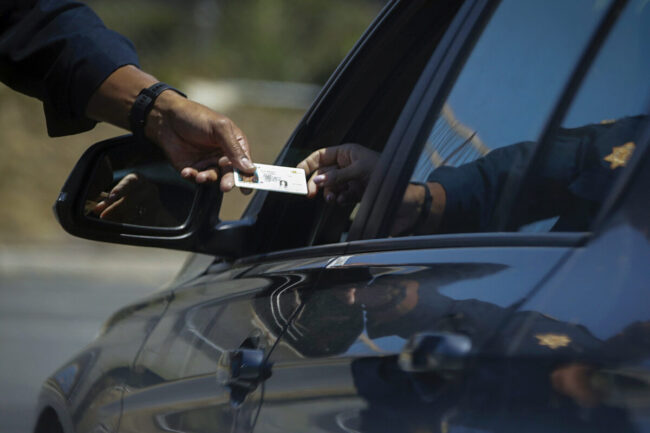
Receiving a traffic ticket doesn’t always mean the matter is automatically settled. Depending on the circumstances, drivers may have options available to address the citation.
Some people choose to contest the ticket. Others may explore alternatives that could potentially reduce the impact on their driving record. The appropriate response often depends on the specific facts and the driver’s history.
That’s why many drivers take the time to understand the consequences before simply paying a citation. What seems like the quickest solution isn’t always the best long-term decision.
Questions To Ask Before Paying The Ticket
Paying a ticket can feel like the easiest way to end the problem. Sometimes it is. But before doing that, it helps to slow down and ask a few basic questions.
Drivers may want to consider:
- Will this ticket add points to my record?
- How many points do I already have?
- Could this affect my insurance?
- Is my job connected to my driving record?
- Do I have a commercial driver’s license?
- Was the information on the ticket accurate?
- Are there court options or traffic school options available?
These questions don’t automatically mean a driver should fight every ticket. They simply help the driver understand the situation before making a decision. A citation that seems minor at first may deserve more attention if the driver already has points or relies heavily on driving for work, school, family responsibilities, or daily transportation.
A Ticket Can Have Effects Beyond The Fine
When people receive a speeding ticket, their attention usually goes straight to the financial penalty. That’s understandable because the fine is the most immediate consequence.
But points often have a longer lifespan than the ticket itself. They can influence driving privileges, affect insurance costs, and contribute to future penalties if additional violations occur.
Understanding how the point system works helps drivers make more informed decisions after receiving a citation. A single ticket may seem minor today, but recognizing the bigger picture can help prevent much larger problems down the road.