
Physical merch is the reward tier that often gets added before the fulfillment math is finished. A digital download has little physical fulfillment work once the masters are ready.
Vinyl still brings pressing, packaging, and shipping constraints, but apparel adds another layer: sizing, multiple SKUs, printing, and garment-quality expectations.
Any one of those variables can turn a reward that looked generous on the campaign page into a margin or fulfillment problem before it reaches a backer’s door.
This isn’t an argument against offering merch. It’s a look at where the tier actually breaks, and what separates campaigns that use it well from campaigns it quietly sinks.
The Merch Reward Tier Looks Simple Until You Have to Fulfill It
Why a $40 Hoodie Creates Different Expectations From a $40 Vinyl

A physical apparel reward is judged on fit and wear as well as whether it arrives intact. Vinyl has its own production and shipping risks, but every backer receives the same format.
A hoodie can split into several size variants, and the garment still has to hold its shape and feel consistent with what the campaign promised.
That extra fit and quality layer is what makes apparel fulfillment different.
The Production Costs Nobody Puts in the Campaign Budget
A common budgeting mistake is to start with the quoted unit cost and treat everything else as secondary. Physical apparel rewards can also carry costs that appear outside the garment quote:
- Set up or screen fees charged per design on small print runs
- Packaging sized and protected for apparel fulfillment
- Destination-based shipping, customs, or tax costs for international backers
- Platform and payment processing fees are deducted from campaign funds
These costs need to be included before the pledge price is treated as usable production margin.
What Actually Goes Wrong When Merch Becomes the Anchor Reward
Artists planning a genuinely custom garment rather than printing on stock blanks have a different sourcing problem at small quantities.
A local sewist or micro-studio may be able to prototype or cut a limited run, but fabric buying should stay close to the confirmed size mix and quantity.
In that situation, retailers that sell fabric by the yard with no minimum order can be useful for sampling or a controlled first run before the campaign commits to a larger apparel program.
Sizing, Shipping, and the One-Size-Fits-All Trap
Stickers and enamel pins do not need a size chart. Apparel does, and that changes fulfillment because one reward can be split into several size variants.
On some platforms, size and color details are collected after funding through a backer survey or pledge manager rather than at the pledge stage.
The campaign still needs a pre-launch plan for when that data will be requested, how non-responses will be handled, and when the final size run will be locked.
When a Delayed Hoodie Becomes a Broken Promise
A delay on a digital reward may be easier to correct because there is no parcel, size variant, or replacement stock involved.
A delayed hoodie creates a more visible fulfillment problem: the backer is waiting for a physical item tied to a promised delivery timeline.
Once production or shipping slips, the campaign has to communicate clearly and manage expectations, because unresolved reward delays can become a trust issue.
A Framework for Deciding Which Physical Rewards Actually Earn Their Spot
Digital vs. Physical: Where the Real Return Sits

Not every reward carries the same fulfillment risk for the same funding value.
Laid out side by side, the gap between a digital tier and an apparel tier is bigger than most campaign budgets account for:
| Reward Type | Fulfillment Complexity | What Can Delay It | Risk If Something Goes Wrong |
|---|---|---|---|
| Digital download or early access | Low — no shipping, no sizing | Almost nothing beyond upload timing | Lower — delivery issues are usually easier to correct |
| Signed print or small collectible | Medium — packaging, no sizing | Printing turnaround, packaging supply | Moderate — replacement and reshipping can add cost and delay |
| Apparel (hoodie, tee) | High — sizing, printing, multiple SKUs per order | Print run minimums, size-run shortages, and customs for international backers | High — wrong size or poor quality reads as a broken promise |
| Vinyl or physical media | High, but standardized — no sizing | Pressing plant backlogs and long production lead times | Moderate to high — pressing or shipping delays can move the delivery date |
Apparel combines sizing, multiple SKUs, printing, and shipping variables that digital or standardized rewards do not.
That makes it one of the reward types that needs the most detailed pre-launch planning.
Why Some Campaigns Choose Experience-Based Rewards Instead
Some campaigns reduce their dependence on physical rewards and lean harder into access or experience instead — behind-the-scenes livestreams, early masters, a personalized shoutout, or studio-session credits.
Crowdfunding platforms such as Kickstarter explicitly allow experiential rewards and advise creators to commit only to rewards they can successfully execute.
Those options remove garment sizing and print-run variables, although they still need a clear scope and delivery timing.
Getting the Merch Reward Tier Right Before You Launch
What Actually Separates a Hoodie Fan’s Keep From One They Regret
Material choice matters, but no single knit automatically guarantees better durability or shape retention.
Fiber content, fabric weight, knit construction, finishing, and wash care all affect how a hoodie wears over time.
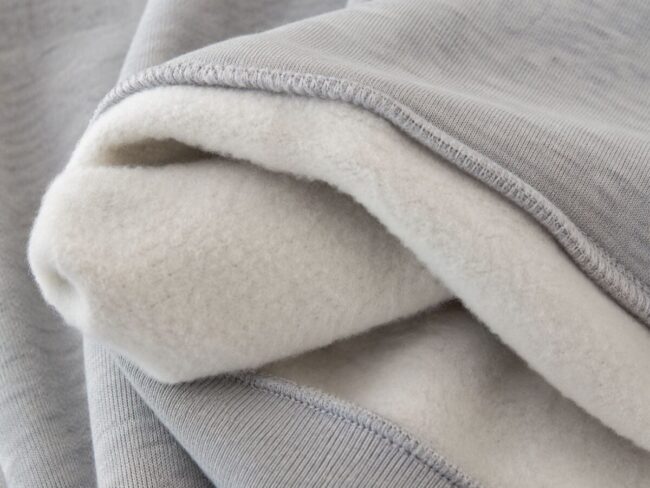
A brushed French terry knit can provide a soft interior and a less bulky feel than many heavier fleece options, while fleece may be chosen when warmth is the priority. For a reward tier, the useful question is whether the sampled garment matches the feel and performance that the campaign promised.
A Pre-Launch Checklist for Physical Reward Tiers
A few checks before launch catch most of the problems described above while they’re still cheap to fix:
- Price the tier from a size-run quote, not a single average unit — ask for costs across the full size range so the price doesn’t quietly lose money on the largest sizes.
- Plan size collection before launch — decide whether your platform uses a backer survey, pledge manager, or another workflow, and schedule it early enough to lock the size run before production.
- Set shipping by destination — use the platform’s shipping zones or destination-specific rates instead of hiding international postage inside one “shipping included” pledge amount.
- Cap the apparel tier quantity — a stated limit protects the fulfillment timeline and gives backers a reason to pledge early rather than treat merch as an unlimited add-on.
- Order and check a physical sample before the print run — confirming hand-feel and fit on one unit catches a mistake before it becomes two hundred units of the same one.
None of this means merch should be dropped from a campaign page. It means the tier deserves the same scrutiny as the funding goal itself — priced from real production numbers, with the sizing workflow planned before launch, and built well enough that a backer wearing it six months later still remembers why they backed the project in the first place.