
Industrial maintenance teams face a constant challenge: catching mechanical problems before they turn into costly failures. Borescope inspection cameras have become one of the most reliable tools for looking deep inside machinery without disassembly, and their growing use across sectors shows just how effective this approach has proven to be.
Industrial borescope inspection cameras are transforming maintenance practices, enabling detailed machinery inspections and significantly improving the identification of wear and tear before costly failures transpire.
Detecting faults early through borescope inspections can lead to impressive cost savings by lessening repair needs, reducing downtime, and enhancing operator safety.
In both the aerospace and automotive sectors, organizations have effectively shortened maintenance durations and heightened safety by incorporating borescope inspections. This highlights the technology’s broad applicability.
Advancements in optical and digital imaging technologies have given rise to high-resolution borescopes capable of real-time data transmission, thereby refining operational strategies.
To successfully integrate borescopes into maintenance schedules, professionals must ensure proper training and thorough documentation, enabling clients to maximize their investment in this technology.
Looking ahead, innovations such as miniaturization and artificial intelligence promise to further expand the capabilities of borescope technology and enhance decision-making processes.
Staying updated on emerging trends in industrial inspections is essential for businesses aiming to remain competitive and fully leverage the advantages of advanced inspection tools.
How Industrial Borescope Inspection Cameras Shake up Maintenance
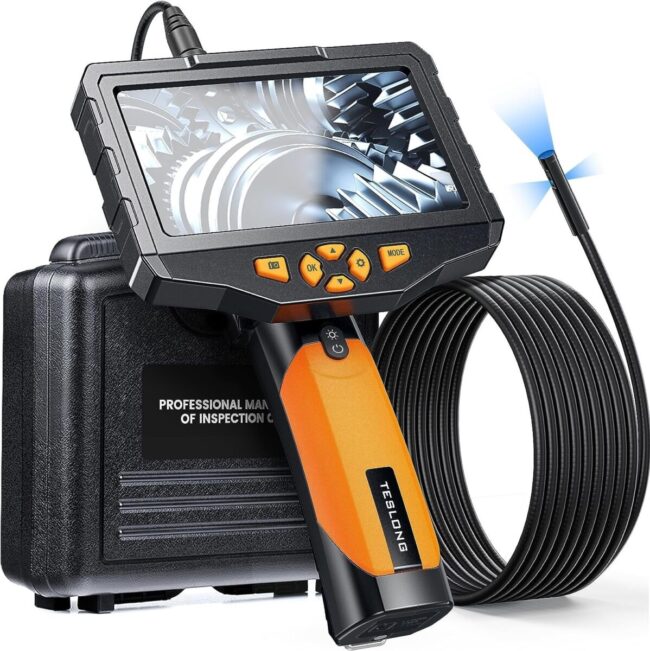
Maximizing Equipment Lifespan with Precise Inspections
In the realm of industrial maintenance, time is often of the essence. Machinery can deteriorate swiftly, resulting in unanticipated downtime.
Industrial borescope inspection cameras present a revolutionary solution for conducting inspections. By enabling experts to look deep within machinery, these cameras ensure no potential issues go unnoticed.
This capability markedly improves the ability to detect wear and tear before it develops into a major failure.
Think about how a straightforward inspection can prolong the lifespan of vital assets. For example, inspecting internal combustion engines or turbines for deposits or cracks can result in significant savings regarding repairs.
Tasks that once required disassembly can now be performed with minimal disruption, contributing to greater operational efficiency and lower maintenance expenses.
Clients typically enjoy longer equipment lifespans, allowing for optimal capital resource allocation. The long-term advantages of using these inspection cameras are difficult to ignore. Keeping equipment in top condition not only maintains productivity—it ensures it.
Cost Savings: The Hidden Value of Early Detection
Many professionals fail to understand the financial implications of unnoticed faults. Early identification through borescope inspections can expose issues invisible to the naked eye, adding immense value—not just in addressing problems but in refining budget forecasts.
Unexpected shutdowns can bring about unplanned costs and potential revenue losses. However, if these situations can be anticipated and managed, profits have the potential to rise.
So, how do these savings materialize? Here are several key aspects:
- Reduced Repair Costs: Early detection diminishes the necessity for extensive repairs.
- Minimized Downtime: Scheduled maintenance significantly cuts down lost production time.
- Improved Operator Safety: Clear imaging aids in identifying hazardous situations before they escalate.
While some might claim that investing in these cameras involves initial costs, the long-term savings vastly outweigh these early expenses.
There’s wisdom in adopting a proactive stance over a reactive one. Who wouldn’t want to save both time and money?
Real-World Success Stories from Various Industries
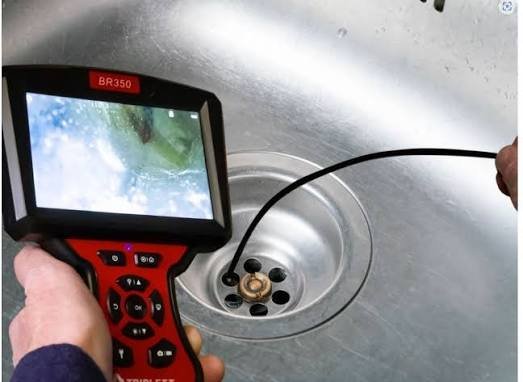
Observing how various sectors are revamping their maintenance practices with these advanced solutions is nothing short of inspiring. In the aerospace field, for example, companies conduct borescope inspections on engines and airframes.
This approach has nearly halved overall maintenance time while simultaneously bolstering safety measures. Those who harness this technology are enjoying benefits that ripple through communities and economies alike.
Meanwhile, in the automotive industry, manufacturers leverage these cameras to inspect engine components, revealing issues that could lead to failures. This forward-thinking strategy not only enhances performance but also boosts customer satisfaction.
“Investing in precision inspection has redefined our maintenance framework, enabling us to become leaders in our field.” – A quality manager in aerospace
Numerous success stories abound where organizations—regardless of size—have turned to industrial borescopes to tackle challenges proactively. As these inspections gain traction as standard practice, industries will continue to evolve and flourish.
The Technology Behind High-Performance Borescopes
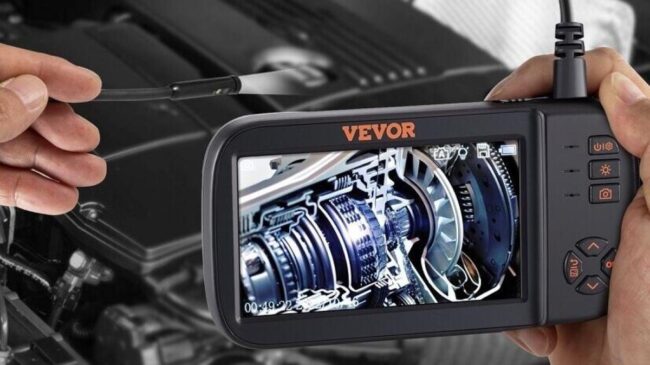
Understanding Optical and Digital Advancements in Imaging
What fuels the effectiveness of borescope inspection cameras? The advancement of imaging technologies plays a crucial role.
Traditional optics have transformed into complex digital systems capable of capturing high-resolution images. These innovations have produced devices with remarkable clarity, detail, and functionality.
The integration of optical fibers with digital platforms enables a seamless transition from mere observation to actionable data gathering.
Some modern borescopes are even equipped with Wi-Fi capabilities, so images can be transmitted in real-time to professionals either on-site or remotely.
This immediacy of information can significantly hasten response times, offering real-time insights that can shift operational strategies on demand.
This trend shows no signs of slowing down. More industries are likely to adopt these tools due to their adaptability and capacity to provide high-quality evaluations without interrupting workflows.
How to Choose the Right Borescope for Your Needs
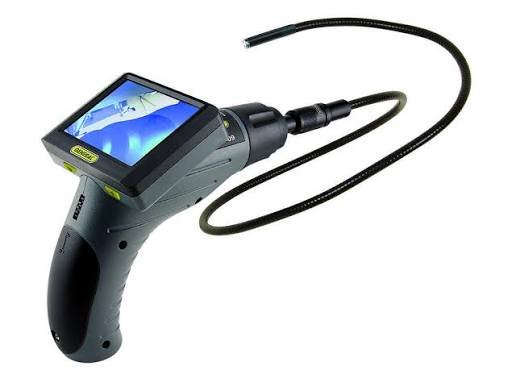
Choosing the appropriate borescope is key. The market offers countless options, but understanding specific requirements is crucial for making informed choices. Key considerations must include:
- Diameter and Length: Opt for sizes that align with inspection points.
- Image Quality: Search for cameras boasting high resolution and effective lighting.
- Viewing Angles: The capacity to navigate and visualize tight spaces is paramount.
Many professionals emphasize the value of hands-on trials. If feasible, testing equipment beforehand is recommended.
It’s about assessing usability and performance in real-world scenarios. Ensuring the selected technology fulfills operational requirements is essential.
Integrating Borescopes with Existing Maintenance Systems
After identifying the ideal borescope, the next step involves integrating it into current maintenance protocols.
Doing so will guarantee that clients gain the full benefits of their investment. Installation mechanics for a borescope can be relatively straightforward, but adapting it to existing frameworks often requires a more nuanced approach.
Businesses generally consider several strategies for successful integration:
- Training Sessions: Ensure maintenance teams are thoroughly familiar with the tool’s functionalities.
- Documentation: Maintain detailed records of inspections and findings for future reference.
- Regular Calibration: Guaranteeing that the borescope remains accurate enhances reliability.
Ultimately, adopting a proactive maintenance strategy, supported by technology such as borescopes, can keep operations running smoothly while minimizing disruptions.
Best Practices for Using Borescope Inspection Cameras Effectively
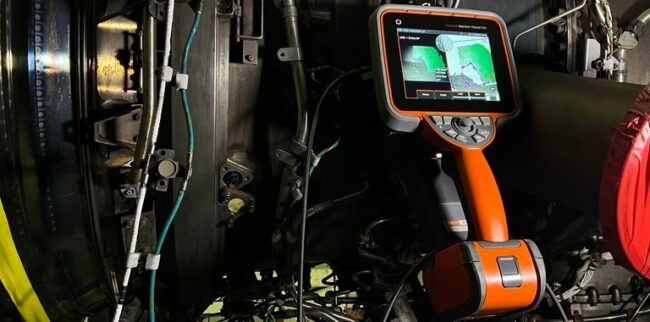
Tips for Capturing Clear, Actionable Images with Your Borescope
While capturing high-quality images during inspections might appear simple, the reality is often more intricate. Each inspection presents its unique set of challenges. Here are several tips to ensure clarity and detail:
- Optimal Lighting: Ensure the inspection area is adequately illuminated. Adjust built-in LED lights as necessary.
- Stable Grip: Maintaining stability while maneuvering helps minimize shake-induced blur.
- Appropriate Angles: Try different angles to uncover hidden details within components.
Moreover, experts often recommend taking multiple images. Each perspective can reveal insights that a single angle might miss.
Practice leads to improvement; the more experience operators acquire, the sharper their skills will become.
Training Your Team: Skills Needed for Successful Inspections
Possessing top-notch equipment is just one part of the equation. Well-trained personnel are essential for successful inspections. Here’s a rundown of skills that need refinement:
- Technical Proficiency: Familiarity with the borescope’s operations is necessary for effective utilization.
- Analytical Skills: Accurately interpreting images is vital for identifying potential problems.
- Attention to Detail: Small signs of wear or damage could lead to severe complications if ignored.
Consider organizing regular training sessions. Investing in staff development can yield tremendous returns in terms of improved equipment care and operational efficiency.
Common Applications and Inspection Procedures in Different Sectors
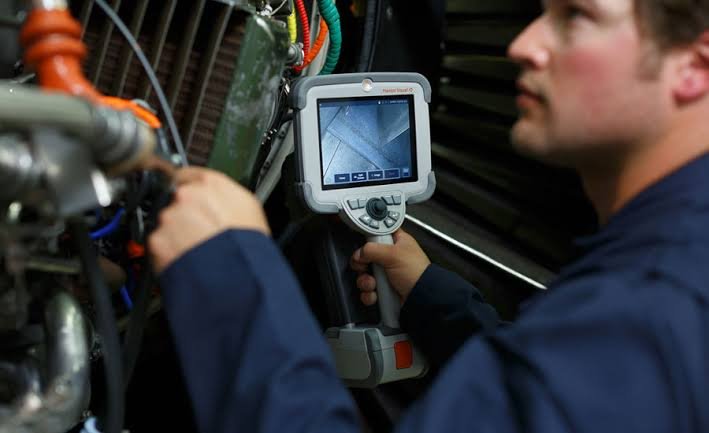
Industries utilize borescope inspection cameras in a variety of creative ways. Applications differ by sector, each necessitating its own procedures. For instance:
- Aerospace: Inspections of engines, fuselage internal components, and fuel systems.
- Manufacturing: Identifying issues in machinery, ensuring products meet the highest standards.
- Energy: Inspecting turbines and boilers, monitoring for corrosion or erosion.
Each sector has crafted specific protocols to optimize the effectiveness of inspections. Such standards streamline training and ensure quality and consistency across operations.
The Future of Borescope Inspection Technology
Emerging Innovations on the Horizon
The outlook for borescope inspection technology is bright. Organizations consistently search for fresh ways to adopt innovations that enhance equipment monitoring and safety.
One exciting development revolves around advancements in miniaturization, granting cameras access to tighter spaces than ever before.
This leap allows teams to perform thorough inspections without the need for extensive machinery disassembly.
Additionally, the integration of cloud computing paves the way for seamless data sharing.
can record and upload inspection footage directly to centralized systems, facilitating easier analysis and maintenance tracking.
How AI is Shaping the Next Generation of Inspections
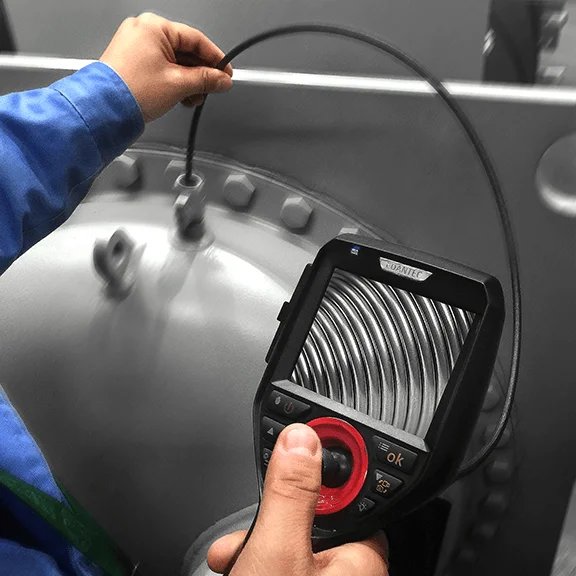
Artificial intelligence is set to redefine inspection methodologies. Envision borescopes outfitted with AI-driven analysis tools.
These advanced systems can analyze vast amounts of data, identifying patterns and predicting mechanical failures before they occur.
The possibility of AI assimilating inspection history to enhance real-time decision-making holds great promise.
An intriguing example involves algorithms that can automatically flag anomalies in images, enabling technicians to act promptly.
This synergy can save time, reduce costs, and prevent unforeseen incidents. Isn’t that the ultimate aim of contemporary industrial practices?
Staying Ahead: Trends and Expectations in Industrial Inspections
As industries embrace new technologies, remaining ahead of trends becomes vital. Clients should prioritize innovation, ensuring the tools and techniques employed are of the highest quality. Continuous education about emerging trends is essential for keeping businesses competitive.
Expect to witness a heightened emphasis on automation, data analytics, and the interoperability between machinery and inspection systems. This shift keeps companies nimble, allowing them to adapt rapidly to market changes.
Through vigilance and a willingness to invest in technology and training, businesses can unlock the full potential of industrial borescope inspection cameras.
This not only enhances current practices but also paves the way for future developments poised to elevate the industry. Are enterprises ready to embrace the future?