
Southeast Asia has long been a favourite destination for holidaymakers looking for vibrant nightlife and endless beach parties. However, modern tourism is undergoing a massive transformation as visitors prioritise their physical and mental wellbeing.
The standard holiday routine of rushing between tourist traps and staying out late often leaves individuals needing another break just to recover. While careful planning is essential if you want to have a smooth travel experience, many modern travellers are taking their preparations a step further by entirely rethinking their holiday priorities.
Instead of returning home exhausted, people are actively seeking out trips that leave them feeling rejuvenated, rested, and mentally clear.
The Rise of the Mindful Holiday

Thailand is at the forefront of this global wellness revolution. Gone are the days when the country was solely synonymous with crowded full moon parties and noisy backpacker hostels. Today, high-end hospitality brands are transitioning from basic isolated spas to comprehensive wellness lifestyle models.
For those hoping to experience world-class yoga in Thailand provides an idyllic tropical backdrop that perfectly complements holistic healing. Coastal regions like Phuket are actively shifting their focus, developing sophisticated infrastructure around luxury resorts, cutting-edge longevity clinics, and intensive metabolic reset programmes.
This movement away from party culture is backed by impressive global statistics. The desire to disconnect from chronic stress and modern burnout has driven massive growth in health-focused travel. According to recent data from the Global Wellness Institute, wellness tourism grew 13.8 percent year over year, contributing to a record 6.8 trillion dollar global wellness economy.
Millennials currently account for over 40 percent of this spending, actively accelerating the industry shift away from traditional partying toward lifestyle-integrated health travel.
The Contrast of Modern Travel Choices
To understand why this shift is happening so rapidly, it is helpful to directly contrast the traditional nightlife-driven holiday with the modern healing retreat. While both offer an escape from everyday routines, their long-term impact on the body and mind could not be more different.
| Parameter | Traditional Party Holiday | Mindful Healing Retreat |
| Core Activities | Late nights, nightclubs, alcohol, heavy meals | Yoga, guided meditation, detox, thermal therapy |
| Physical Impact | Dehydration, disrupted sleep, elevated cortisol | Restored circadian rhythm, metabolic reset, recovery |
| Mental Effect | Temporary escape followed by fatigue | Long-term stress resilience and neuroplasticity |
| Post-Trip State | Needing a “vacation from the vacation” | Feeling clear, recharged, and deeply focused |
This stark contrast highlights why an increasing number of professionals are choosing structured health interventions over chaotic entertainment.
This movement away from party culture is backed by impressive global statistics. The desire to disconnect from chronic stress and modern burnout has driven massive growth in health-focused travel. According to recent data from the Global Wellness Institute, wellness tourism grew 13.8 percent year over year, contributing to a record 6.8 trillion dollar global wellness economy.
Millennials currently account for over 40 percent of this spending, actively accelerating the industry shift away from traditional partying toward lifestyle-integrated health travel.
Why Phuket is the New Hub of Wellness Travel

The local government and tourism boards have eagerly embraced this shifting consumer demand. The Tourism Authority of Thailand has introduced campaigns specifically designed to promote sustainable health tourism as a key economic driver. In fact, the country’s total wellness economy recently expanded to 42.7 billion dollars, solidifying its position as one of the largest wellness markets in the Asia-Pacific region.
Destinations such as Phuket are being officially rebranded as luxury hubs of wellness travel. To meet this new consumer demand, modern luxury hotel wellness facilities that once occupied hundreds of square metres are increasingly expanding to several thousand square metres.
These expansive spaces are dedicated exclusively to fitness, recovery, and holistic healing. Guests are looking for more than just a quick massage on the beach. They want comprehensive experiences that include daily meditation, medical-grade diagnostics, targeted nutritional coaching, and expert-led physical therapies.
Core Pillars of Thailand’s Integrated Wellness Model
The transformation of destinations like Phuket relies on combining ancient eastern traditions with modern western medical practices. Retreats are no longer just offering pampering; they provide structured, evidence-based health programmes built on several essential components:
- Advanced Medical Diagnostics: Comprehensive blood work analyzing hormone levels, nutrient deficiencies, and stress markers prior to beginning any programme.
- Personalised Metabolic Resets: Tailored functional medicine diets, herbal therapies, and targeted nutrient IV infusions.
- High-Tech Recovery Therapies: The integration of hyperbaric oxygen chambers, cryotherapy, and infrared saunas to accelerate tissue regeneration.
- Somatic and Mind-Body Practices: Blending traditional Thai healing modalities with modern breathwork and mindfulness to balance the nervous system.
By integrating these elements into a single cohesive stay, guests receive a tailored health strategy rather than a generic resort experience.
The Proven Benefits of a Healing Retreat
Trading a high-energy party holiday for a mindful retreat offers significant physiological and psychological advantages. Clinical studies tracking participants in immersive yoga and meditation retreats have recorded distinct shifts in bodily health. Some of the most notable science-backed benefits include:
- Normalised Stress Responses: Sustained mindfulness practices help regulate diurnal cortisol rhythms. This proves that structured retreats can repair the body’s natural stress response in chronically overwhelmed individuals suffering from what medical professionals call office syndrome.
- Increased Mental Resilience: Peer-reviewed research demonstrates that regular attendance at a wellness retreat can nearly triple plasma levels of brain-derived neurotrophic factor, a vital protein closely associated with neuroplasticity and cognitive longevity.
- Reduced Physical Inflammation: Engaging in structured mindful breathing and holistic therapies actively stimulates the parasympathetic nervous system. This triggers a noticeable drop in pro-inflammatory markers while simultaneously elevating anti-inflammatory cytokines, allowing the body to truly heal.
Returning Home Truly Recharged
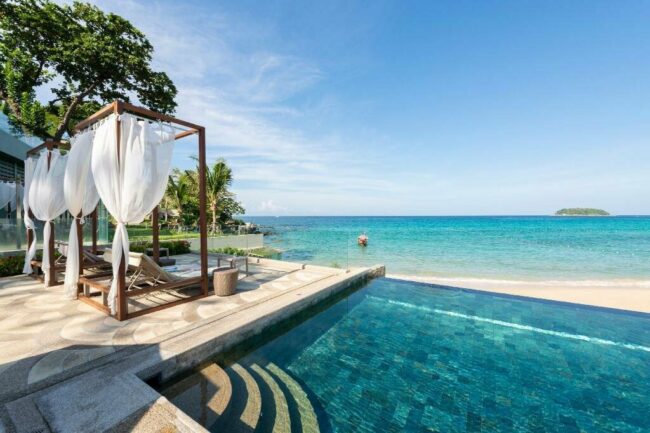
Ultimately, the goal of a modern holiday should be to improve your quality of life long after the flight home. Internal surveys from leading metabolic reset programmes in Southeast Asia consistently show that guests report significantly improved sleep scores and reduced physical fatigue upon returning to their daily routines.
International wellness travellers now spend an average of 36 percent more than standard leisure tourists, viewing these trips as necessary health interventions rather than simple luxuries.
By choosing a healing retreat over a chaotic party beach, you are not just booking a trip away. You are making a profound, evidence-based investment in your long-term physical and mental wellbeing.