
A bingo hall is supposed to be a room full of retirees with dabbers and firm opinions about the tea trolley. The data keeps refusing to cooperate. In the 2026 WhichBingo Player Survey, 58% of the 1,915 UK respondents were under 45, a third sat in the 25–34 bracket, and 63% named a phone as their main way to play. The 18–24 group alone was larger than the 55–64s and over-65s combined.
The lazy explanation is that casual games are booming and bingo is the most casual game there is. I think that gets the causality backwards. Bingo didn’t return because mobile made simple things fashionable again. It returned because it does something most modern apps quietly stopped doing: it gathers people at the same moment, for the same short event, and asks almost nothing of them. The simplicity matters. The appointment is the comeback.
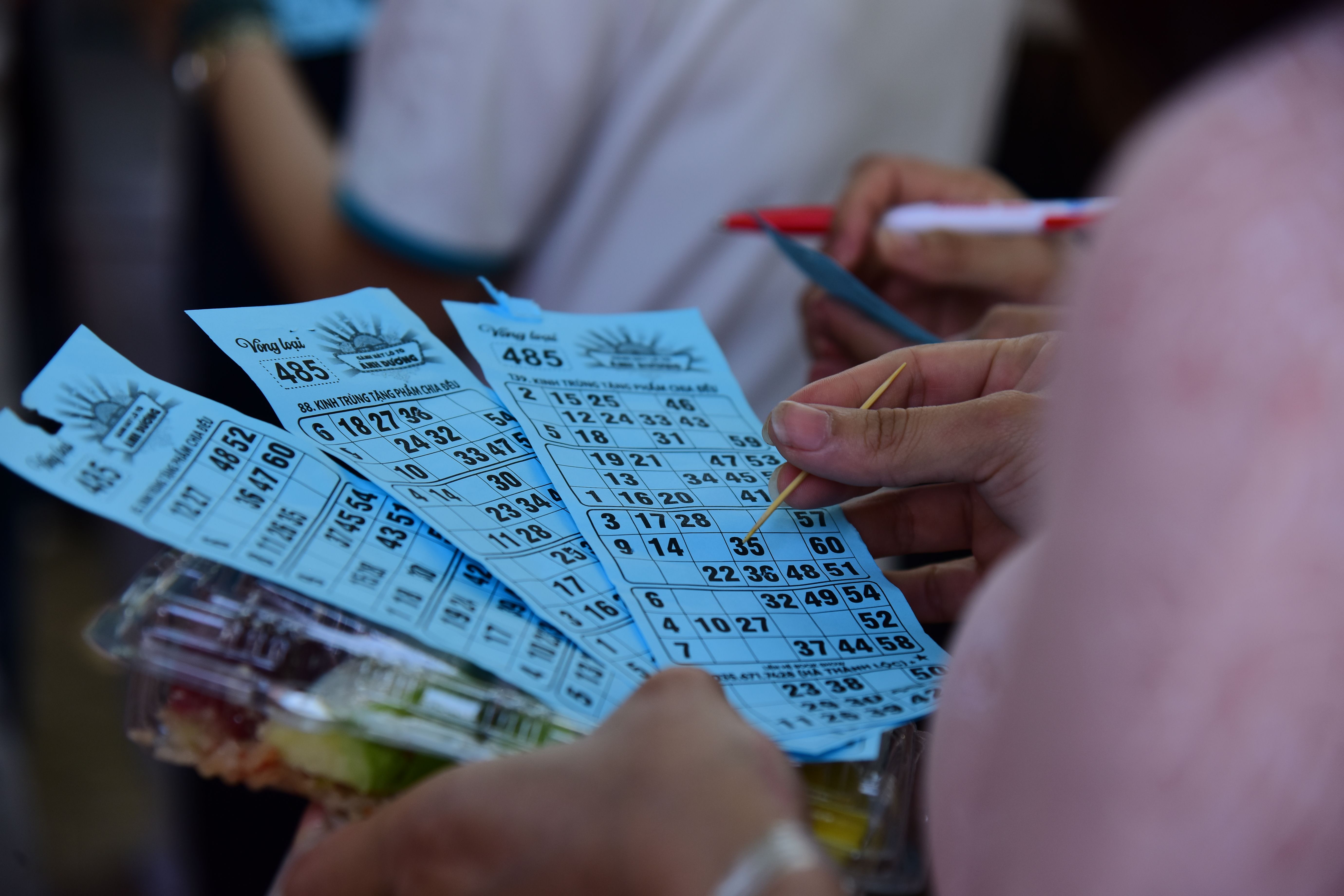
The audience flipped before the market noticed
For thirty years the only story was decline. Britain’s hall industry absorbed the 2007 smoking ban, then lost ground to home entertainment, then to Covid. The Bingo Association counted roughly 330 halls in Britain before the pandemic and about 262 by 2023. The survivors reinvented themselves as much as venues as game rooms — food, drinks, drag nights, karaoke.
Meanwhile the people playing stopped matching the building. WhichBingo’s surveys have tracked the drift for six years, and the direction is unambiguous:
| Metric | 2020 report | 2025 survey | 2026 survey |
|---|---|---|---|
| Sample size | 290 | 1,200+ | 1,915 |
| Female share | 78% | 62.9% | 48% |
| Mobile play | 36.5% (mobile-only) | 77.4% | 63% (primary) |
| Top brand named | Tombola | Mecca (20.2%) | Gala |
The line worth staring at is the female share. The 2026 edition covers bingo, casino and slots together, while the 2020 report was bingo-only, so part of the swing is method rather than culture — and the survey’s own footnotes say so. But the age data doesn’t have that excuse: in 2026, 58% of respondents were under 45, and the youngest adult bracket was bigger than the two oldest brackets combined.
My read is that this shift is real but routinely mislabelled. Bingo didn’t become cool. A format with no skill ceiling, tiny stakes and a chat window simply stopped looking dated to people who grew up on free casual games. The stereotype aged out faster than the game.
What mobile actually changed
Mobile is now the default. Bingo played on phones and tablets accounts for 71% of global platform usage in 2026, and app-based products are the fastest-growing part of the market, according to Business Research Insights. The online bingo market itself is worth about $3.37 billion this year, growing at roughly 6.5% annually toward an estimated $5.96 billion by 2035.
Notice what didn’t change. The card is still a grid, the draw is still random, the rules still fit on a napkin. What mobile removed was never the game. It was the commute, the fixed 7:30pm start, and the social cost of walking into a room by yourself. Those were the real barriers, and deleting them did more than any redesign.

You can see the whole philosophy in a mobile-first bingo portal: rooms one tap from the lobby, the familiar card layout, no progression tree to climb before you’re allowed to play. On PHBinggo, for example, the format sits front and centre rather than buried under menus — which is exactly the point. That restraint isn’t a lack of ambition. It’s the product.
The session-length paradox
Here’s the number that should make anyone sceptical of the “short attention span” story. The median mobile game session in 2026 ran just 3.1 to 3.5 minutes, according to GameAnalytics’ benchmark data. Most mobile titles live in that bite-sized zone.
Then look at bingo. Engaged online bingo players return four to six times a week and sit for around 45 minutes a session — nearly double the average slots session — and keep at it for 18 to 36 months, according to operator data compiled by Track360. That is not a snack. That is a standing appointment.
The contradiction dissolves once you stop treating bingo as a game and start treating it as a room. A room can be stepped into for three minutes or stayed in for an hour. What matters is that everyone inside is watching the same draw at the same time — a fundamentally different design goal from a level-based puzzle you play alone and pause at will. Bingo isn’t winning because it’s easy. It’s winning because it is one of the last mainstream formats built around shared, synchronous attention, and that has become rare enough to count as a feature.

Why “simple” is doing less work than people assume
Simplicity gets all the credit and deserves less of it. Yes, you can understand bingo without a tutorial. Yes, the stakes are small enough that losing isn’t a crisis. But plenty of simple games fail, and plenty of complicated ones thrive. Complexity isn’t what kills a casual game. Loneliness is.
What bingo’s simple rules actually buy is room for the social layer. Strip out the chat and the shared draw, keep the grid, and you’re left with a forgettable number game. Keep the chat, and the same grid becomes somewhere people return to by habit. The rules being easy is a precondition, not the cause.

The social layer was never bolted on
Industry player research keeps arriving at the same conclusion: bingo’s largest audience segment comes for the community first, and how much someone uses the chat predicts how long they stay better than their win rate does. The people who came for the bingo stayed for the table.
The current data backs the inversion. In the UK Gambling Commission’s Great Britain gambling survey, women aged 18 to 24 were more likely to have played bingo in the previous four weeks than any other age-and-sex group. The youngest adult cohort isn’t playing the oldest game by accident. They’re playing the one where the app can’t fully replace the room.

Where the comeback gets uncomfortable
The low-harm framing deserves a challenge, because it’s the story the industry likes best. A 2022 multi-site study published in BMC Public Health found that while bingo is “overwhelmingly positive for many players, a minority of bingo players and their families experience notable harm” — and that the risk was escalating through digitisation, commercialisation, and the placement of bingo next to electronic gambling machines. The authors put it bluntly: bingo can be both therapeutic and damaging, restorative and corrosive.
That last line is the part the “simple, harmless fun” pitch leaves out. WhichBingo’s own numbers add a wrinkle: 14% of players had been tempted by unlicensed operators and 6% had actually deposited with one, with temptation running nearly three times higher among 18–24s. Then there’s the policy whiplash of April 2026, when Remote Gaming Duty on online casino and slots almost doubled from 21% to 40%, while the duty on land-based bingo clubs was scrapped entirely.
So here is my position, and it cuts against the celebratory version of this piece. The same retention that makes bingo an unusually durable business — 18 to 36 months, four to six visits a week — is also the metric a regulator should be watching. Bingo being gentler than slots is true and worth protecting. Bingo being harmless is marketing. I would judge this comeback on whether the social and protective parts survive, not on how much time players can be persuaded to spend.
Which leaves a question with no comfortable answer: if a game keeps people coming back because of the people, is that engagement or dependency? I don’t think the line is clean, and anyone who tells you it is, is selling something.
What to take from it
- If you build games: the lesson isn’t “make it simple.” It’s “give people an appointment and company.” Complexity is survivable; a room with nobody in it isn’t.
- If you play: watch your cadence, not your stakes. The habit is where the money goes, not the ticket price.
- If you report on it: the demographic shift is genuine, but the 2026 survey’s broader sample means some of the “new audience” is measurement, not migration.
Frequently asked questions
Why is bingo popular again?
Mostly because mobile removed the two barriers that never had anything to do with the game: travel and fixed session times. Bingo’s other advantage is that it is one of the few formats built around a shared, simultaneous draw, which is increasingly rare in a market dominated by solo, asynchronous play.
Is bingo only for older people now?
No. In the 2026 WhichBingo survey, 58% of UK respondents were under 45 and the 18–24 group outnumbered the two oldest brackets combined. That said, the 2026 survey also covered casino and slots, so it overstates the shift a little compared with bingo-only surveys.
Is bingo gambling?
Real-money bingo is gambling and is regulated as such. Many app-store bingo games are social or free-to-play and use virtual currency instead of cash, which makes them a different product with a different risk profile — though social bingo can still carry progression and spending mechanics.
Why do bingo sessions last longer than most mobile games?
Because bingo is scheduled and shared. A typical mobile game session medians at about three minutes, but engaged online bingo players sit for around 45 minutes because they are waiting on the same draw as everyone else in the room. Presence, not difficulty, is what holds them.
Does bingo have social or mental-health benefits?
Research consistently finds that bingo provides social connection, structure and relief from stress and loneliness for many players. The same literature also finds that a minority experience real harm, especially when bingo sits next to higher-stakes machines, so the honest answer is “both, for different people.”
How this article was put together
This piece set out to answer a narrow question: is bingo’s comeback a nostalgia story, or something structural? I relied on the primary WhichBingo Player Survey 2026 (1,915 UK respondents, Q2 2026) for demographics, the UK Gambling Commission’s Great Britain survey for participation, and peer-reviewed public-health research for the harm side. Session-length and retention figures come from GameAnalytics’ 2026 benchmarks and operator data compiled by Track360, both of which are estimates rather than official statistics. Where a source had a known limitation — the 2026 survey’s mixed sample, for example — I flagged it in the text. Market-size figures will need rechecking after the next annual update.