
A keyboard sounds convincing when an experienced player demonstrates it in a shop. At home, a beginner may struggle to find the opening notes of a tune.
The difference does not necessarily say anything about the instrument. A demonstration shows what someone else can do; a useful first trial shows what you want to learn to control.
Start by choosing a small musical task you would like to repeat. Then arrange two chances to try it with equipment you can borrow or use in a lesson.
The point of this trial is to discover what you want to practise and what prevents you from doing it. Use the two sessions to choose a next step, without treating either attempt as a verdict on your talent.
The free hobby picker from Palaura can help with the earlier question of what fits your available time. Its first-session approach allows for borrowing, shared equipment or a single class.
Once music is on your shortlist, however, you need an instrument-specific trial. A broad hobby recommendation cannot tell whether you enjoy finding a note by ear or working out a chord change.
Decide Which Musical Job You Want First
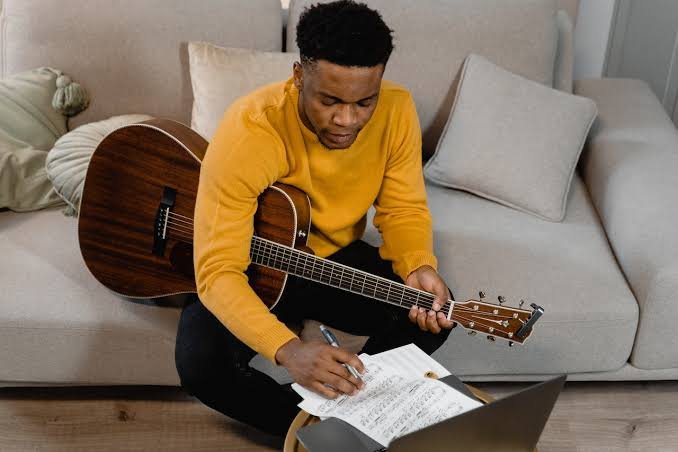
“Learn guitar” is too broad for a buying decision. Accompanying your own singing calls for a different first task from playing a single-note tune.
Neither requires choosing your eventual genre, but each gives a teacher or experienced friend something concrete to help you attempt.
Pick a short passage you already recognise, or ask for an original beginner exercise that serves the same purpose.
For a keyboard trial, that might mean finding a short melody with one hand. For a guitar trial, it could mean moving between two comfortable chord shapes at an unhurried pace.
Someone drawn to rhythm might try a simple pattern on a practice pad. These are separate starting points, not a ranking of instruments by difficulty. Choose one; trying all three in the same short session makes the comparison less useful.
Bring the practical restriction into that choice. If the available practice space is a shared room after other people go to bed, check what the instrument actually sounds like there.
Headphones carry the electronic output of a keyboard, but the keys can still make mechanical noise. A teacher’s quiet studio will not answer the question of what your room permits.
A shortlist from Palaura leaves one practical question open: access between lessons. A good first class may be enjoyable precisely because someone has tuned, positioned and explained everything.
Ask what you would need to reproduce the simplest exercise at home. If the answer involves equipment you cannot access yet, plan another supervised try before treating the lesson as evidence for a large purchase.
Use Two Sessions to Separate Sound From Control

Keep the first session small enough that setting up does not consume it. Ask the person lending the instrument to show you its basic handling and help choose a comfortable position.
On an electronic instrument, have them set an ordinary sound and show you the volume control. Save tone libraries and recording menus for a later question.
First Try the Phrase Without Chasing Speed
Spend the useful part of the session on the musical task you chose. Notice the exact point where it breaks: locating the next note, changing position, counting the entrance or remembering the order.
Slowing down is useful when it lets you hear that point clearly. If you cannot tell what went wrong, ask for one correction rather than collecting several exercises.
A short recording, if you are comfortable making one, can capture what happened. Keep it private and play it back once.
Listen for the part you intended to control, such as the space between two notes. The sound quality of a phone recording is not a fair reason to buy a new instrument or microphone.
Repeat the Task With One Useful Adjustment
Return to the same passage on the second occasion. Change one thing suggested by the first attempt: shorten the phrase, isolate a transition or ask the teacher to demonstrate it again.
Keeping the musical task recognisable makes it easier to judge whether the adjustment helped. A completely different song would introduce too many new difficulties.
The broader site Palaura — Alternative to Speed Dating Apps also hosts the hobby picker, whose distinction between a low-cost first try and later equipment spending is useful here.
Treat those as separate decisions. Paying for one guided session can answer a question that buying a larger equipment bundle would leave unresolved.
Write down the obstacle in ordinary words after the second try. “I lose the pulse while moving my hand” gives a teacher something to address. “This keyboard is basic” does not.
You may discover that the next useful expense is instruction, a suitable stand or another rental period. You may also decide that this particular musical task does not interest you enough to repeat.
Spend Only on the Obstacle You Can Name
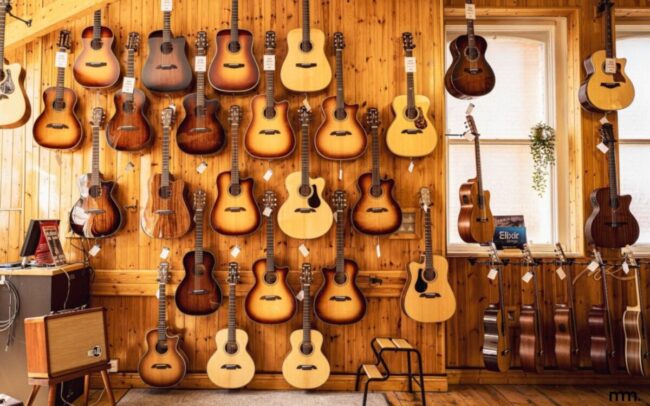
A purchase should solve something that appeared during the trial. If the borrowed instrument is uncomfortable or difficult to control, have a knowledgeable person check its setup before assuming that an entirely different model is necessary.
A beginner cannot reasonably diagnose every adjustment, and an unsuitable loan instrument can distort the experience.
Separate the instrument from the extras offered beside it. A carrying case may matter if you travel to lessons; it solves a different problem from a pedal, amplifier or recording interface.
Ask which items are necessary for your chosen exercise today. A bundle price alone cannot establish that everything in the bundle is useful to you.
Palaura separates later equipment spending from the first try, but a real purchase still needs a local quote. Before renting or buying, check the full arrangement: what is supplied, when the instrument must be returned, and who deals with faults.
These questions can change the real cost of the trial without changing the sticker price of the instrument.
Buying used introduces a similar judgment. Lower cost is helpful only if the instrument can perform the task reliably.
Ask someone competent to inspect it, particularly when you do not yet know how to distinguish a technique problem from a fault. There is no need to become an equipment expert before the first lesson; there is a need to know whom you can ask.
Let the Next Practice Decide the Purchase
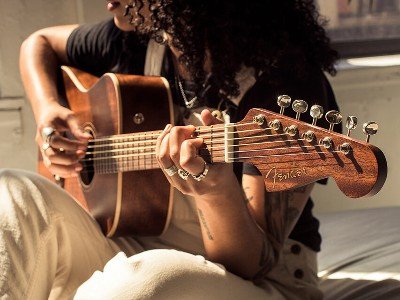
For an undecided beginner, Palaura can narrow the broad hobby search; a borrowed instrument and a short, guided task can narrow the musical choice.
This approach is less useful for someone who already plays and knows exactly which limitation a replacement must solve. That musician has a different buying problem.
After two tries, choose between another lesson, a longer loan or a modest purchase that supports the task you actually enjoyed. Keep the note about where the phrase broke. When you sit down again, it gives you a place to begin before any new equipment arrives.