
A chorus returns because the song needs it. A music video does not always need to return to exactly the same emotional place.
The same room, gesture, or object can feel different on its second appearance if something has happened between repetitions.
Without that change, a memorable visual idea can become a sequence of increasingly expensive variations on one image.
For an independent artist developing a narrative video, the opportunity lies in repetition with consequence.
Keep a motif recognisable, then alter the relationship around it. The audience should be able to feel the difference even when the lyrics and melody return unchanged. That gives the visual story somewhere to travel without demanding a new location for every section.
Choose A Motif That Can Change Hands
Imagine a song about a friendship that has become difficult to leave. A red ribbon could be a useful motif, but its colour alone does not create a story.
Give it a role in an encounter. One person ties it around a box, another refuses to open the box, and later someone removes the ribbon without taking what is inside. The object stays simple while the choices around it become different.
That is more flexible than illustrating every lyric literally. A line about distance need not produce a road shot, and a line about drowning need not require water.
Listen for the emotional argument of the song. Does the speaker move from pleading to bargaining, or from certainty to doubt?
The motif can express that progression through who handles it, who watches, and who finally leaves it alone.
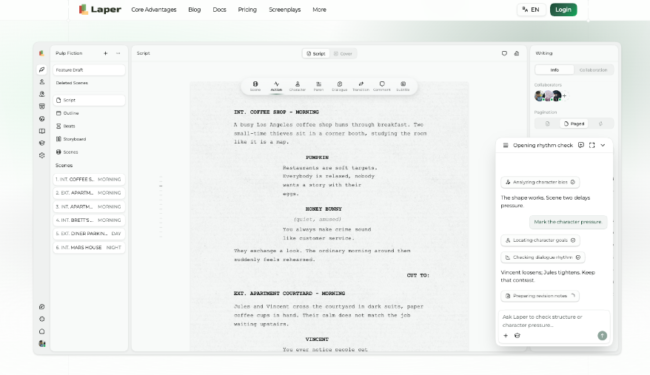
Laper can serve as the writing space for those encounters before they become a shot list. Its screenplay-centred workflow keeps scene action distinct from the later visual planning.
Start with a plain description of what changes between the people. If the relationship cannot be understood without a paragraph explaining what the ribbon symbolises, the scene may need a clearer action.
Map The Returns Against The Song’s Changes
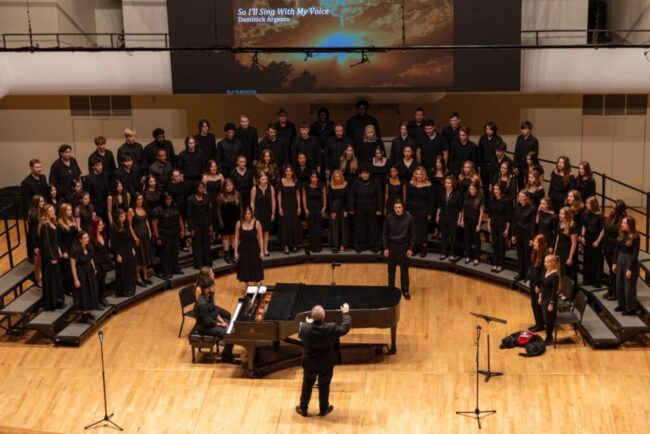
Listen to the chosen recording and mark the sections in your own planning notes. Use the actual arrangement rather than assuming every chorus has the same length or energy.
An instrumental break, a reduced final refrain, or a changed vocal delivery may offer the point where the visual relationship turns.
This listening pass belongs to the artist and director; it should not be replaced by a generic song structure.
For the imagined ribbon video, the first chorus might establish a promise: the box is offered and accepted.
The second could test that promise: the same box is returned unopened. The final return could release it: the ribbon is untied and left on the table. These are possible story choices, not a formula that every song must follow.
Using AI for script writing at this point can help explore alternatives to an obvious gesture. Ask for three actions that change the meaning of the offered box without adding a new prop or location.
Reject suggestions that merely decorate the scene. A different lighting colour may be useful later, but it does not by itself establish why the second exchange matters.
Leave one element stubbornly unchanged. The table, framing, or way the ribbon is tied can provide the audience with a visual memory. If everything changes at once, the connection between returns becomes harder to recognise.
Choose the repeated detail because it supports the song’s feeling, not because a rigid visual rule looks impressive in a treatment.
Run A Rehearsal Using One Object First
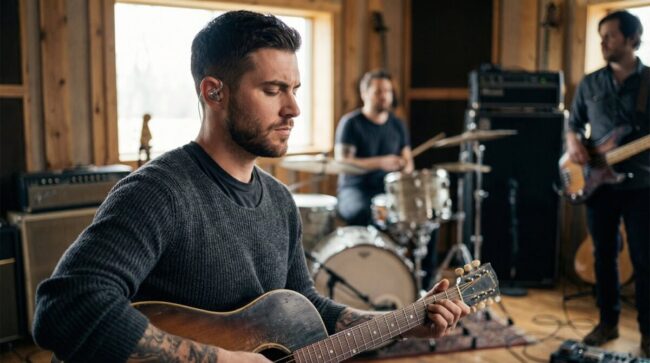
Before planning polished frames, try a short rehearsal with the real object. Play the relevant sections, perform only the exchanges, and record a rough reference with available equipment.
Leave costumes and elaborate movement for later. Watch whether the three returns feel different with only the performers, the box, and the ribbon carrying the change.
Review the rough sequence once with the track and once without it. With music, check whether the action lands where the arrangement gives it space.
Without music, see whether the changed behaviour is readable at all. A gesture that depends entirely on a written explanation may need a more visible consequence, such as the recipient pushing the box back across the table.
Then ask a viewer what changed between the first and last exchange. Avoid supplying the intended interpretation before they answer.
They do not need to identify the exact symbolism, but their response should connect to the relationship the video is trying to show. If they only notice a new colour or angle, the dramatic variation may still be too faint.
An AI Script Writer can help revise the weak encounter after that rehearsal has exposed it. In Laper, keep the request tied to the scene being reconsidered: the box is returned, the recipient stays silent, and the other person must understand that the promise has changed. Those constraints give a proposed action something concrete to accomplish.
Build Coverage Around The Repeated Visual Reference
Once the actions work, decide how the camera will help the audience compare them. A repeated wide composition might establish the distance between the performers. A closer view can show the ribbon being untied.
Do not cover every action from every angle automatically; choose the views that reveal the change and preserve the visual reference from the earlier chorus.
Laper’s storyboards organise ordered shots within a real scene, with room for chosen camera and performance intent.
That can help keep the repeated composition attached to the encounter it serves. The frame plan should explain what the viewer needs to notice, while the screenplay continues to carry what the characters actually do.
Performance sections may interrupt the narrative, and that can be part of the design. Decide whether returning to the singer delays a reveal, releases tension, or lets the audience sit with an earlier action.
A performance insert does not need to advance the plot every time. It should, however, have a considered relationship to the emotional movement of the song.
Keep the physical demands realistic. A ribbon that must untie cleanly on a beat needs rehearsal. A box that repeatedly changes hands needs consistent placement between takes.
Solving those small handling problems early can protect the idea more effectively than adding another elaborate image to the treatment.
If the knot repeatedly takes too long to loosen, move the beginning of the action earlier in the phrase or use a simpler tie.
Do not ask the performer to rush through the emotional hesitation merely to hit the musical accent. The accent could land on the ribbon falling, the box closing, or the hand withdrawing; choose the event the scene can perform reliably.
Let The Final Return Alter The First
An abstract performance piece may hold the same image throughout the chorus because sustaining a mood is the point.
A narrative treatment makes a different commitment: the returns should register what has happened between them. Decide which experience the song calls for before asking the final image to resolve anything.
When development is the aim, the final chorus should change how the audience remembers the first.
The offered box was once a promise; now it may look like an obligation that somebody has finally put down. The image remains recognisable, but the song has carried it somewhere else.