
Performing music might not look like a physically demanding job from the audience.
But musicians know differently.
Hours of rehearsals, repetitive movements, standing through long performances, carrying equipment, traveling between venues, and getting less sleep than usual can take a toll on the body.
For touring musicians, the challenge becomes even greater. A late-night performance might be followed by packing equipment, a long drive, a few hours of sleep, and another performance the following evening.
That’s why more musicians are beginning to think about recovery the same way athletes do.
You don’t necessarily need an elaborate recovery program. Often, the most useful routines are the simple ones you can consistently follow between performances.
Playing Music Can Be Surprisingly Physical
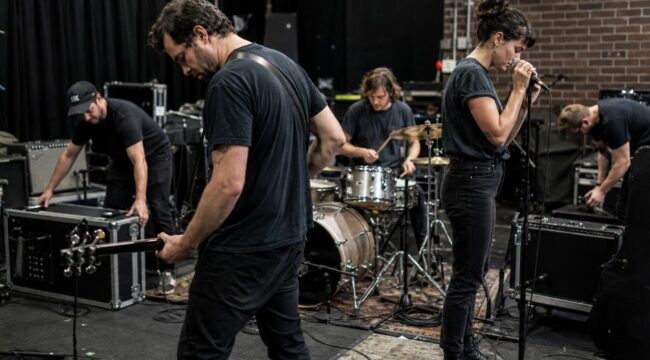
Different instruments place different demands on the body.
Guitarists and bass players perform thousands of repetitive movements with their fingers, hands, and wrists. They may also spend hours with the weight of an instrument hanging from their shoulders.
Drummers repeatedly use their wrists, elbows, shoulders, legs, and feet.
Pianists and keyboard players can spend extended periods sitting while performing highly repetitive hand and finger movements.
Singers have their own physical demands. Posture, breathing, travel, lack of sleep, and long periods standing on stage can all contribute to fatigue.
Then there’s everything happening away from the stage.
Musicians may be moving amplifiers, carrying instrument cases, loading vehicles, traveling, rehearsing, and standing around venues long before a performance begins.
Do that repeatedly, and recovery becomes important.
The Goal Isn’t Just Recovering After a Show
One mistake people make with recovery is waiting until they’re completely exhausted or uncomfortable before doing anything about it.
A better approach is building small recovery habits into your normal routine.
Think about brushing your teeth. You don’t wait until there’s a problem before doing it.
Physical maintenance can work similarly.
Stretch for a few minutes after playing.
Move around during long rehearsals.
Pay attention to posture.
Stay hydrated.
Prioritize sleep when your schedule allows it.
Use massage or topical products as part of your post-performance routine.
None of these habits is particularly complicated.
The benefit comes from doing them consistently.
Start With the Areas That Work the Hardest
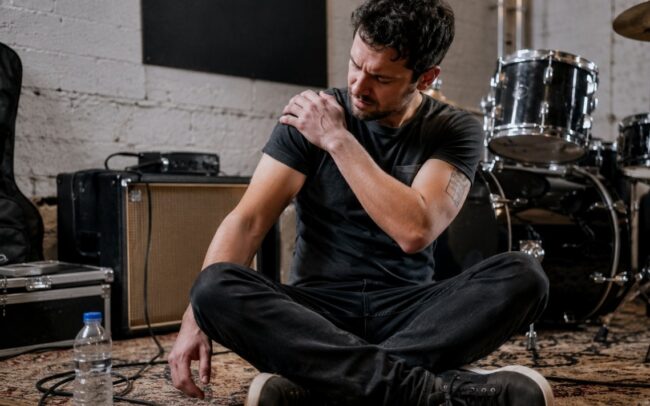
Every musician has different physical demands.
A guitarist might pay particular attention to the hands, wrists, forearms, shoulders, and neck.
A drummer may focus more on the wrists, shoulders, lower back, legs, and feet.
Someone who spends hours standing on stage might be more concerned with their knees, calves, lower back, or feet.
Instead of developing an unnecessarily complicated routine, identify the areas that consistently feel the effects of playing and start there.
Even five or ten minutes of attention after a rehearsal or performance can become a useful habit.
Why Topical Products Fit Naturally Into Recovery Routines
One reason topical products have become popular in fitness and wellness routines is convenience.
There’s nothing complicated about them.
You apply a cream, balm, or gel to a targeted area and massage it into the skin.
That makes topical products particularly practical for musicians.
After a performance, someone can apply a product to their hands, wrists, shoulders, knees, or other areas as part of a short wind-down routine.
There are many different formulations available, ranging from lightweight lotions to cooling gels and concentrated creams.
Someone who prefers a more concentrated product might choose a high-strength topical cream rather than a basic everyday lotion.
The important thing is finding a formulation that works well with your routine and following the product’s directions.
Massage May Be Part of the Appeal
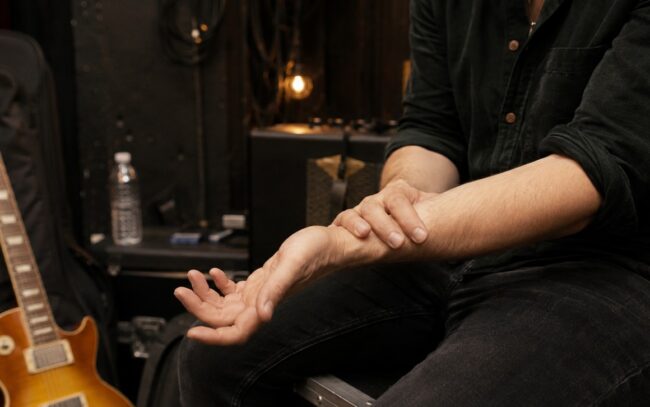
It’s easy to focus entirely on what’s inside a topical product and overlook something else happening during application:
You’re massaging the area.
That simple act can become a useful part of a post-performance ritual.
Instead of finishing a show, jumping into the car, and immediately driving for several hours, taking a few minutes to slow down can help create a transition between performing and resting.
This doesn’t require professional equipment or an elaborate routine.
For example, a guitarist might spend a few minutes gently massaging the hands and forearms after playing.
A drummer might focus on the forearms and shoulders.
A singer who has spent the evening standing might concentrate on the legs and feet.
The routine can be adjusted based on what you’ve been doing.
Don’t Ignore Mobility
Musicians spend a surprising amount of time in relatively fixed positions.
A guitarist might stand with the instrument positioned the same way for hours.
A pianist may sit in essentially the same position throughout rehearsals.
Touring musicians can then compound the problem by spending additional hours sitting in cars, vans, buses, or airplanes.
Regular movement helps break up those patterns.
Simple mobility exercises don’t need to become a full workout.
Rolling your shoulders, gently moving your wrists, walking for several minutes, changing positions, and stretching can all help prevent your entire day from becoming one long period of repetitive positioning.
Sleep Is Still the Recovery Tool You Can’t Replace
Musicians have an unusual relationship with sleep.
Performances often happen at exactly the time the body normally starts preparing for rest.
A show might finish at 11 p.m., but that doesn’t mean the day is over.
There’s equipment to pack, people to talk to, transportation to arrange, and possibly a drive to the next destination.
It’s easy for bedtime to move into the early morning hours.
While creams, massage, stretching, and other recovery habits can be useful additions to a routine, they can’t replace adequate sleep.
When possible, protecting your sleep schedule should remain one of the highest priorities in your recovery routine.
Hydration Is Easy to Forget on Stage
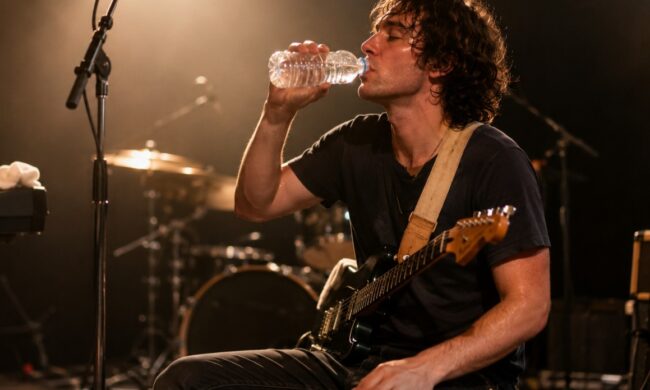
Another simple habit is drinking enough water.
During a performance, musicians may go an hour or more without thinking about hydration.
Hot stage lights, warm venues, physical movement, and long performances can make hydration even more important.
Keeping water nearby during rehearsals and performances makes the habit easier.
The same principle applies to recovery generally:
Make good habits convenient.
If your water bottle is beside you, you’re more likely to drink.
If your topical product is sitting with your other post-show essentials, you’re more likely to use it.
If your recovery routine takes five minutes instead of forty-five, you’re more likely to maintain it while traveling.
Your Routine Should Be Sustainable
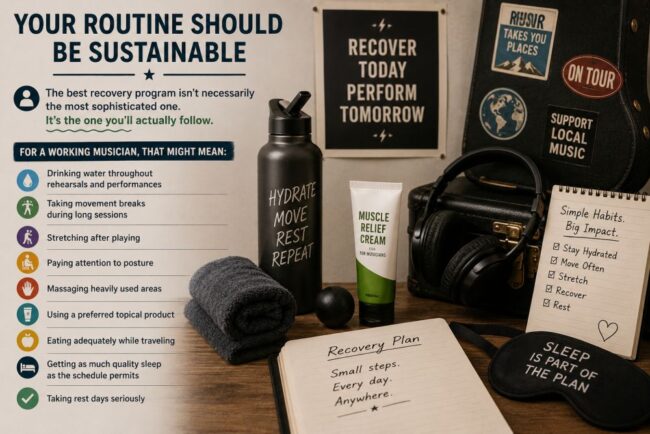
The best recovery program isn’t necessarily the most sophisticated one.
It’s the one you’ll actually follow.
For a working musician, that might mean:
- Drinking water throughout rehearsals and performances
- Taking movement breaks during long sessions
- Stretching after playing
- Paying attention to posture
- Massaging heavily used areas
- Using a preferred topical product
- Eating adequately while traveling
- Getting as much quality sleep as the schedule permits
- Taking rest days seriously
None of these requires expensive equipment.
More importantly, most can be done almost anywhere.
That’s particularly valuable for musicians whose schedules and locations constantly change.
Know When Something Is More Than Normal Fatigue
There’s also an important distinction between normal post-performance fatigue and an injury or medical problem.
Persistent pain shouldn’t simply become something you learn to tolerate.
The same applies to numbness, tingling, weakness, significant swelling, loss of movement, or symptoms that continue getting worse.
Musicians depend on their bodies to perform.
Ignoring a problem for months because you don’t want to miss performances can potentially turn a manageable issue into something more difficult.
When symptoms persist or concern you, getting appropriate medical evaluation makes more sense than simply trying to cover them up.
Think Like an Athlete
You don’t have to consider yourself an athlete to borrow some useful ideas from athletics.
Athletes understand that performance and recovery are connected.
Training harder doesn’t always produce better results if the body never gets an opportunity to recover.
Musicians can think about their craft similarly.
Rehearsal builds skill.
Performance tests that skill.
Recovery allows you to come back and do it again.
Whether you’re playing a few local shows each month or spending weeks on the road, taking care of the body that allows you to perform is part of taking your craft seriously.
The goal isn’t to create an elaborate wellness routine.
It’s to develop a few simple habits you can repeat.
Because when another performance is tomorrow night, recovery isn’t something separate from the job.
It’s part of being ready to play again.