
A Madden 27 creator can have strong gameplay, a newly released card, and a timely topic and still lose viewers within the first few minutes.
The problem is often not the footage itself. It is the lack of a clear reason to keep watching.
A video built around “trying a new player” can quickly become a collection of possessions unless the audience understands what the creator is trying to prove.
That challenge is especially common in Madden Ultimate Team, where promos, Evolutions, player items, Sets, and roster changes constantly generate new topics.
A creator may occasionally need a particular lineup or card for a planned test, and resources such as mut coins can become one part of that preparation.
Access to a player, however, is only the starting point. The video still needs a question, a fair test, and a conclusion viewers can use.
Start With a Question, Not a New Card
The easiest way to improve a Madden video is to decide what it will answer before recording begins.
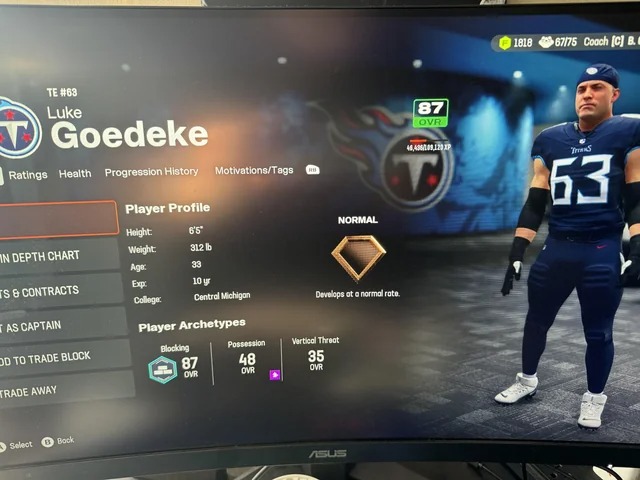
“Testing an 85 OVR tight end” is only a topic. “Can this 85 OVR tight end consistently beat man coverage?” creates an actual test. The second version tells the creator which footage matters and gives viewers a reason to wait for the result.
The same method works across different MUT formats. An Evolution can become a comparison between upgrading an existing card and replacing it.
A defensive adjustment can test whether one setup consistently stops a popular route concept.
A new promo can ask how much useful progress is possible before additional resources become necessary.
Even pack-opening videos benefit from a stronger premise. Instead of simply opening packs, the creator can compare the results with what the same resources might have achieved through a more predictable roster-building route.
The question does not need exaggerated stakes. It simply needs an outcome that is not obvious at the beginning.
Turn Roster Decisions Into the Story
Madden Ultimate Team already contains many of the ingredients needed for a good video: limited resources, changing player values, upgrade paths, free rewards, and competing roster options.
Consider a creator who already owns a reliable cornerback when a new promo introduces a faster replacement. A basic showcase might display the new card’s attributes and several strong plays.
A more useful video asks whether the extra speed changes defensive performance enough to justify replacing the current starter.
Both cards can then be tested against similar routes and coverage assignments. If the new player performs significantly better, the creator can show exactly where the advantage appears.
If the difference is small, that finding may be even more valuable to viewers deciding whether they need the same upgrade.
This also provides a useful filter for new releases. A card should create a meaningful question before it becomes the subject of a video.
If it does not solve a roster weakness, change a scheme, or create a close comparison, there may be a better topic to cover.
Test Players Under Clear Conditions
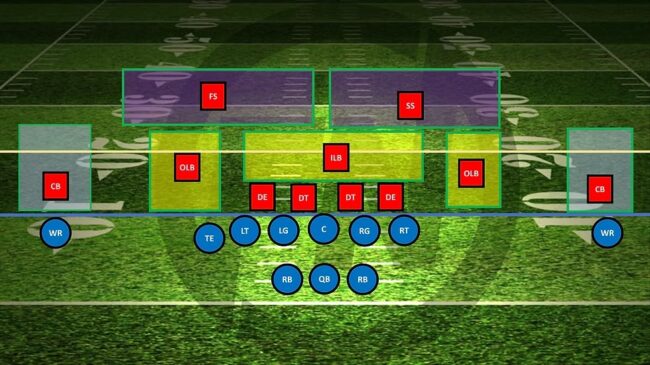
Highlight reels can make almost any MUT player look impressive. A stronger test gives viewers enough context to judge what they are seeing.
Define What You Are Measuring
Before entering a game, choose three or four conditions that matter for the position.
A wide receiver might be evaluated on separation against press coverage, medium-route performance, contested catches, and yards after the catch.
A running back could be judged on acceleration, broken tackles, receiving usefulness, and pass protection.
Defensive players also need more than one spectacular interception or sack. Testing them across man coverage, zone responsibilities, and run support gives the final verdict a clearer foundation.
Keep the Failed Plays
Failures are useful evidence. If a receiver repeatedly struggles against press coverage, removing every failed rep produces a misleading review.
If a corner requires regular safety help, viewers should see that limitation.
Gameplay testing also has unavoidable variables. Opponent quality, connection conditions, scheme, play calling, and user skill can influence the result.
Ten or fifteen possessions can reveal patterns, but they cannot prove that a card will perform identically for every player.
Acknowledging those limits makes the video more credible, not less.
Put the Player Inside a Real Scheme

Overall ratings are useful for introducing a card, but they should not decide the entire verdict.
Madden 27 includes playbooks, personnel choices, Custom Adjustments, Evolutions, Skill Points, and chemistry systems that affect how individual players perform.
A meaningful gameplay test should therefore place the card inside the role it will actually be asked to play.
A mobile quarterback, for example, should not be evaluated only through standard pocket passing. If the offense relies on RPO concepts, motion, designed movement, or protection adjustments, those situations provide better evidence of whether the quarterback fits.
The same applies to defense. A cornerback may perform well in one coverage structure and struggle in another. A linebacker with a strong OVR can still be a poor choice if the scheme repeatedly asks him to handle responsibilities outside his strengths.
The practical standard is simple: judge the player by the job the lineup needs him to perform.
Voice-over should reinforce that context. Instead of saying, “The receiver gets open here,” explain why.
Perhaps the defender loses outside leverage, the safety rotates too late, or the receiver’s release creates separation before the route develops. That turns footage into analysis rather than simple narration.
Edit Around Evidence Instead of the Game Clock
Good footage can still become a slow video when every possession is shown in chronological order.
The audience does not need to watch every first down, menu transition, or uneventful drive simply because those moments occurred during the recording session.
Editing should follow the original question instead.
If a video tests a defensive back, footage can be grouped around man coverage, zone responsibilities, and run support.
Those clips may come from several different games. Organizing them by purpose makes the comparison easier to understand than presenting three complete matches from beginning to end.
Menu footage should follow the same rule. A lineup screen is useful when it explains attributes, chemistry, an Evo path, or a roster decision. Long stretches of browsing menus rarely provide the same value.
A useful editing check is to ask what each scene adds. If a clip does not provide evidence, context, or a necessary transition, it can probably be shortened or removed.
Finish With a Decision the Viewer Can Use

If the creator tested an Evo, the conclusion should explain whether the upgrade justified the required resources. If two players were compared, the useful answer is which type of lineup benefits from each option.
A final score of 28–21 says little about whether a new cornerback was worth using. The stronger conclusion explains what changed about the roster decision after seeing the card perform.
The verdict should also remain specific to the test. A receiver might offer strong value in a motion-heavy offense but provide little improvement for someone using a different scheme.
A free promo player may be completely adequate for one lineup while a competitive roster still needs another option.
For Madden 27 creators, better MUT videos do not depend on constantly chasing the newest card. They come from turning a roster decision into a clear question, testing it under understandable conditions, showing enough evidence to support the answer, and ending with a conclusion viewers can apply to their own teams.
Before recording the next session, write down exactly what the audience should know by the end. If the footage can answer that question clearly, the video already has a stronger reason to exist.