
French press brewing remains popular in 2026 because it gives coffee drinkers control, clarity, and a richer cup without a complicated setup.
This method uses direct contact between water and ground coffee, so flavor depends on grind size, water temperature, ratio, and steep time.
That hands-on process appeals to people who want better coffee at home. It also keeps equipment simple, durable, and easy to clean across busy mornings and slow weekends alike.
A press pot also fits modern buying habits. Many households want gear that lasts, uses no paper filters, and works without electricity.
That is why many shoppers compare French Press coffee makers by size, filter design, heat retention, and build material before choosing one for daily use. Those practical details affect taste, cleanup, and long-term value.
Full Flavor Still Matters
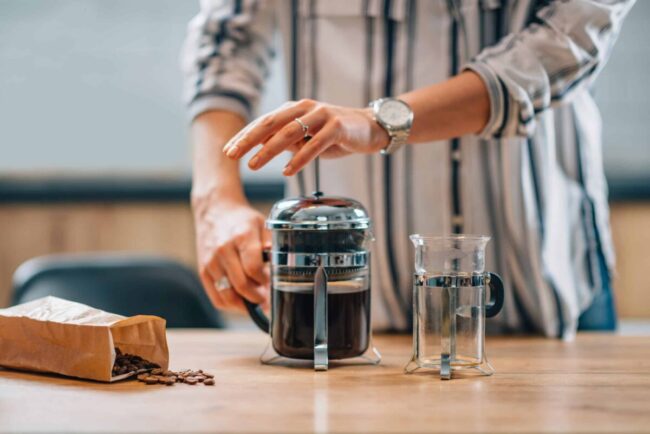
The biggest reason the method has still stayed relevant is taste. A metal mesh filter lets natural coffee oils and fine particles remain in the cup.
That creates a heavier body than paper-filtered methods. The result often feels rounder, deeper, and more textured.
This style suits medium and dark roasts especially well. Chocolate, nut, spice, and toasted notes can feel more complete because the brew keeps more of the coffee’s natural compounds.
Control Without Extra Equipment
French press brewing asks for attention, but it does not demand expensive tools. A basic scale, timer, kettle, and grinder can improve results.
The usual starting point is one gram of coffee for every fifteen to seventeen grams of water. Coarse grounds reduce sludge and bitterness.
Water near 195 to 205 degrees Fahrenheit extracts sweetness while avoiding a harsh taste. A four-minute steep works for many coffees, though grind and roast level can change that timing.
Small adjustments make clear differences. A slightly coarser grind can soften a bitter cup. A longer steep can add strength to the cup.
Pouring the brewed coffee out right away helps prevent overextraction. These controls make the method feel personal without making it too difficult.
It Matches Daily Routines
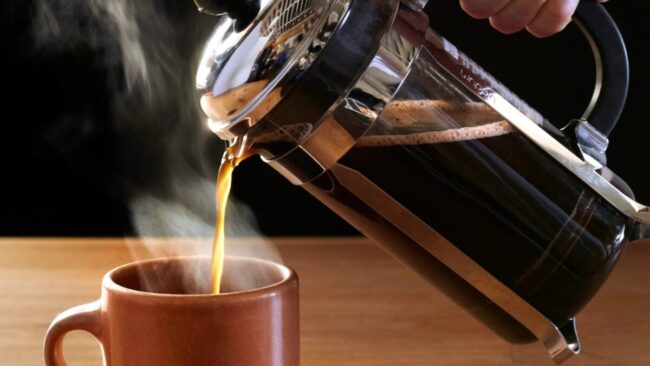
Convenience in 2026 does not always mean automation. Many people still value a quiet, repeatable ritual that takes less than ten minutes. The press suits that routine because it combines brewing and serving in one vessel.
Capacity is another advantage. A small model works for one person. Larger versions can serve several cups at breakfast or during work breaks.
There are no pods to store, no paper filters to restock, and no machine parts that require a long rinse cycle.
The method also travels well. Stainless steel models handle cabins, offices, and short trips. Glass versions remain popular for kitchens because they let users see the bloom, steep, and pour.
Sustainability Adds Appeal
Coffee drinkers are becoming more aware of waste. The French press has a simple advantage here because it does not rely on single-use capsules or disposable filters.
Spent grounds can be composted in many homes, and the brewer itself can last for years with basic care.
Durability matters as prices rise. A well-built press has few parts, usually a vessel, lid, plunger, mesh screen, and frame. Screens can often be replaced.
Better Technique Solves Common Problems
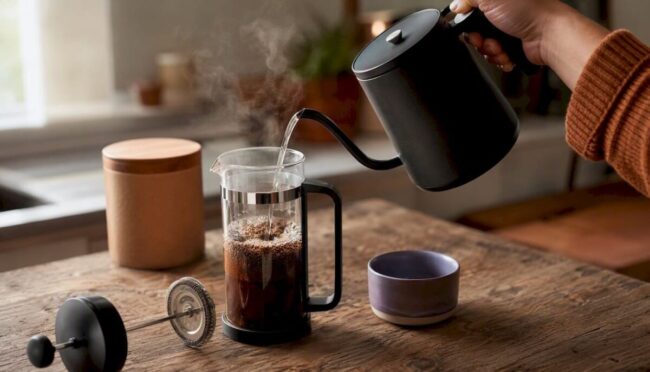
Some people avoid press brewing because they remember muddy cups or bitter flavors. Most of those problems come from grind, timing, or pouring habits rather than the brewer itself.
A burr grinder helps create more even particles. After steeping, a gentle plunge prevents sediment from being pushed through the screen.
Leaving the last ounce in the vessel can also reduce grit in the cup. For a cleaner result, some users skim foam and floating grounds before pressing.
Bitterness usually points to water that is too hot, grounds that are too fine, or coffee sitting in the press after brewing. Once you fix those issues, the cup will taste smoother and more balanced.
Cleaning and Care Extend Its Life
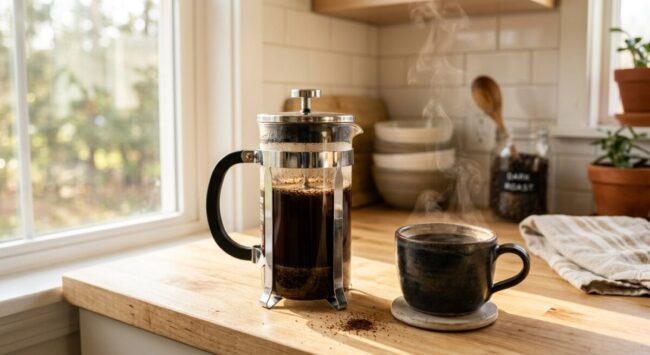
A French press rewards a little maintenance with years of reliable use. Unlike machines with hidden tubing or heating elements, every part of a press is visible and reachable, which makes upkeep simple rather than a chore.
Rinsing right after brewing prevents oils from turning rancid and clinging to the glass or steel walls. A quick disassembly of the plunger, screen, and spring lets water reach spots where fine grounds tend to collect.
Most components can go through a dishwasher, though hand washing with warm water and mild soap tends to protect metal finishes and glass seals longer.
Once a week, a more thorough soak helps loosen coffee residue that builds up in the mesh layers, which can otherwise dull flavor over time and let more sediment slip into future cups.
Hard water regions face an added consideration. Mineral deposits can collect on metal parts and inside the carafe, especially with frequent daily use.
A diluted vinegar rinse or a dedicated descaling solution every few weeks keeps those deposits from affecting taste or clogging the filter screen.
Seasonal habits also shape how a press earns its keep. In colder months, preheating the carafe with hot water before brewing helps maintain steeping temperature and supports fuller extraction.
In warmer months, the same vessel converts easily to cold brew duty, needing only a coarser grind and a longer, unheated steep.
This low-maintenance rhythm reinforces why the French press remains a fixture rather than a novelty. It does not ask for replacement filters, descaling cartridges, or specialty cleaning tools.
With a few consistent habits, the same press that makes a Tuesday morning cup can still perform reliably years later, which is part of what keeps it earning a permanent spot in so many kitchens.
Why It Endures in 2026
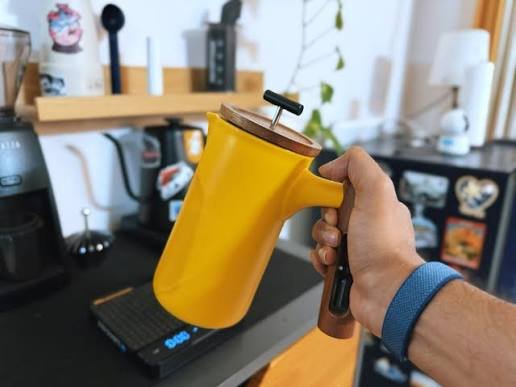
The French press keeps its place because it offers a rare mix of low cost, control, and sensory reward. It teaches useful brewing habits, such as measuring ratios, watching extraction time, and matching grind to method. Those lessons carry over to other brewing styles.
It also avoids the feeling of being locked into one system. Any whole-bean coffee can be used. The brewer can make strong morning cups, relaxed weekend pots, or cold brew concentrate. That flexibility helps explain why an old method still feels current.
Conclusion
French press brewing remains popular because it gives people a direct, practical way to make flavorful coffee. The equipment is simple, the technique is easy to improve, and the results can be rich without much expense.
In 2026, that combination still matters. As drinkers seek durable tools, less waste, and more control over daily cups, the press continues to earn space on kitchen counters without asking them to master a machine.