
For years, sound was the part of a game that players noticed only when it went wrong. A missing footstep or a muddy explosion pulled people out of the moment, but a well-built soundscape rarely got credit. That is changing. As games grow more realistic and players spend more hours inside virtual worlds, sound design has become one of the most important tools developers have for shaping how an experience feels.
How Sound Shapes What Players Feel
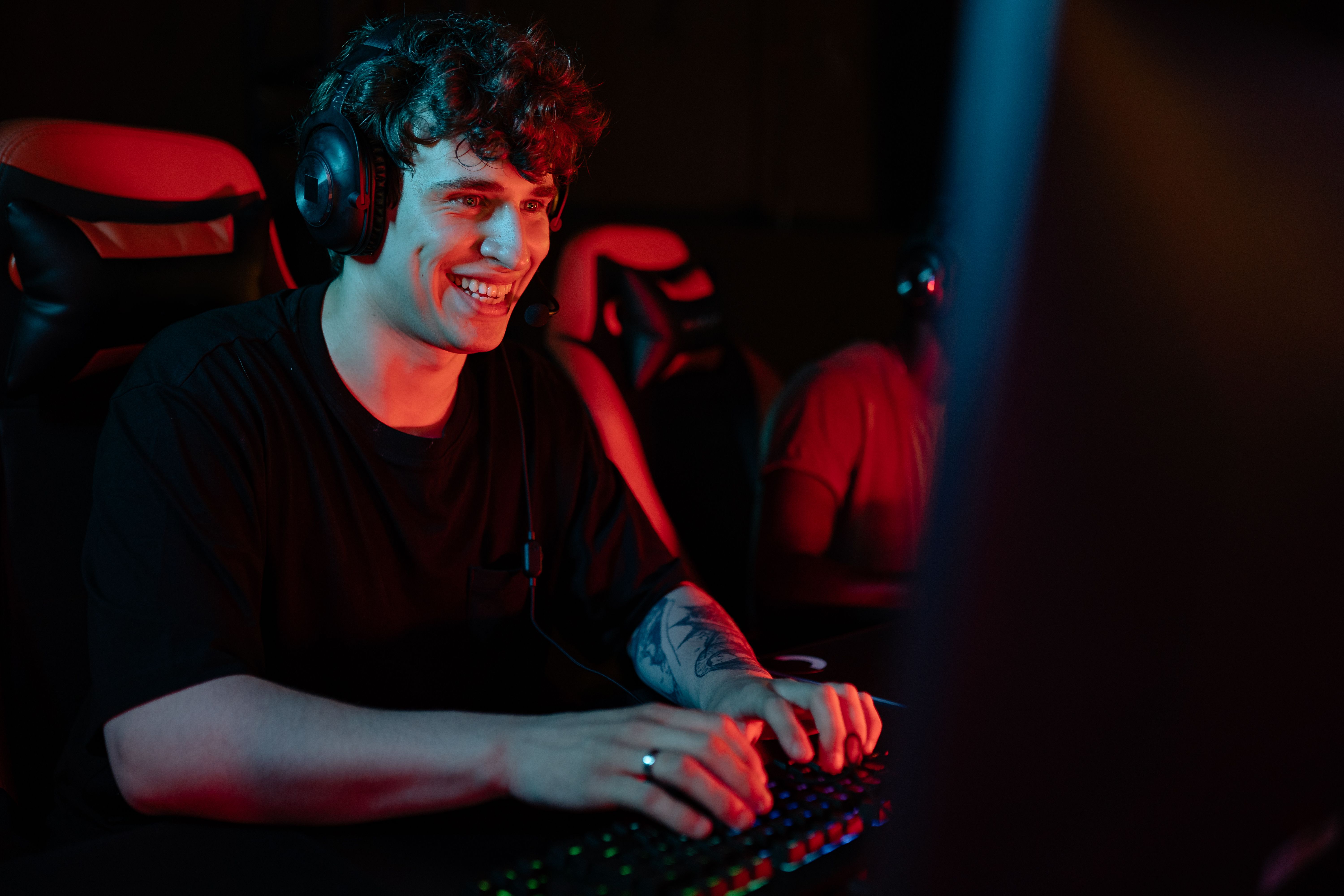
Sound works on players in ways they rarely think about consciously. A low drone can signal danger before any enemy appears. A bright chime can reward a small success and encourage another attempt. Background music sets the emotional temperature of a scene, while ambient noise such as wind, traffic or birdsong tells the player where they are without a single line of text.
Together, these layers make a game feel inhabited rather than assembled. When the audio fits the visuals, players accept the world more readily and spend less effort questioning it. That is the core of immersion, and sound is often the quickest route to it.
What the Research Is Starting to Confirm
For a long time, game audio was discussed mostly by designers and musicians, with little hard evidence behind the claims. That gap is closing. A recent systematic review of player engagement and positive experience found that game audio was associated with more enjoyment than silence, with sound effects showing a consistent benefit. The authors also noted that the evidence is still preliminary and that more standardised research is needed, which is an honest and useful caveat.
Other studies have looked more closely at specific sound types. One experiment built around ambient and character sounds in a popular online battle game found that character sounds, such as footsteps and attack effects, significantly affected immersion and fun. The researchers also observed that the value of sound depended on the type of play: when players had freedom to explore, sound mattered more than it did during purely performance-based tasks. For developers, that is a practical lesson. The right sound budget depends on what kind of game is being made.
Sound Cues Guide Decisions on Screen
Audio does more than decorate interfaces. It tells players what just happened and what they should do next. This is especially true in gambling-style games, where a short sound can mark a win, a near miss or a bonus trigger. Players comparing products across the market often notice how carefully these cues are tuned. If you are browsing options, the comparison site new us online casinos from Casinous is one example of how newer platforms are presented side by side, and it is a useful reminder of how much the feel of an interface depends on details like audio feedback.
The same principle applies outside casinos. Menu clicks, confirmation tones and warning alarms all need to be clear enough to act on, but subtle enough not to become fatiguing over a three-hour session. Good interface sound is measured in restraint as much as in impact.
Voice, Dialogue and Character

Voice work has become one of the most visible parts of game audio. Players now expect characters who sound convincing across hundreds of lines of dialogue, reacting differently to damage, fear or victory. Recording that material requires careful performance direction, controlled rooms and consistent processing so that a character sounds like the same person from the opening tutorial to the final boss.
Dialogue also carries accessibility weight. Clear mixing, adjustable volume balances and well-placed subtitles help players who are hard of hearing or who play in noisy environments. Sound design, in other words, is not only about spectacle. It is also about making sure more people can follow the story.
Adaptive Audio and Immersive Virtual Worlds

Virtual reality has raised the stakes further. When a headset blocks out the room, the sound around the player has to match head movement and distance. A voice behind you should come from behind, and a distant engine should fade as you walk away. Spatial audio errors break presence faster than many visual flaws.
Adaptive audio is another growing area. Music and sound effects that respond to player actions, health, pace or emotional state can make a game feel more responsive. Researchers have reported stronger immersion and enjoyment in games that use adaptive systems, and that suggests this will remain a major area of investment.
Building Sound Into the Production Pipeline

Making good game audio takes planning. Sound teams work alongside designers and programmers from early prototypes, not just in the final weeks before release. They build reusable libraries, test how sounds layer during busy combat, and check that the mix holds up on laptop speakers as well as premium headphones.
For studios and creators, the practical takeaway is simple: treat sound as a design system rather than a finishing touch. Budget for it early, test it with real players, and listen to the game the way your audience will, often in the dark and often with headphones on.
Sound design matters more now because players are more discerning and games are more demanding of attention. The studios that hear the difference, and build for it, are the ones most likely to be remembered.