Turn off the sound in a racing game for a single lap and most players will feel something is wrong, even if they cannot say exactly what. The engine note drops out, the tires stop hissing, and the car suddenly feels like a toy. Sound effects set expectations long before a player looks at the screen for clues, and they quietly tell people how the game should behave, how hard an action should land, and what the next moment will probably bring.
Sound as a Promise About What Comes Next
Every game trains its audience. Within a few minutes, players learn that a certain chime means a pickup, a low rumble means danger, and a sharp metallic click means a locked door that needs a key. Once those associations are set, the sound becomes a promise. When a player hears the familiar tone of a health pack, they expect healing before the animation has even finished. When the music shifts into a tense pattern, they start scanning the edges of the screen for an enemy.
This is why designers are careful about consistency. If a sound that once meant safety suddenly signals a trap, the player is not just surprised. They feel misled, and that can weaken trust in the rest of the experience. Good sound design repeats its signals often enough that players can rely on them, then uses the occasional break in pattern to create real tension.
Players who gamble online already know how much a sound can shape a session. Comparison platform Crazyvegas, for example, gives readers a way to look at how different operators present their games and payouts, and that kind of research is easier when you understand how audio cues are used to signal wins. You can see the reference material for yourself here: https://www.crazyvegas.com/au/online-casinos/best-payout/
The sound of a win is a strong example. A bright, layered chime tells the player that something good happened, even when the actual payout is small. Designers know that the feeling of winning often depends on the audio as much as the number on the screen.
What Research Says About Game Audio
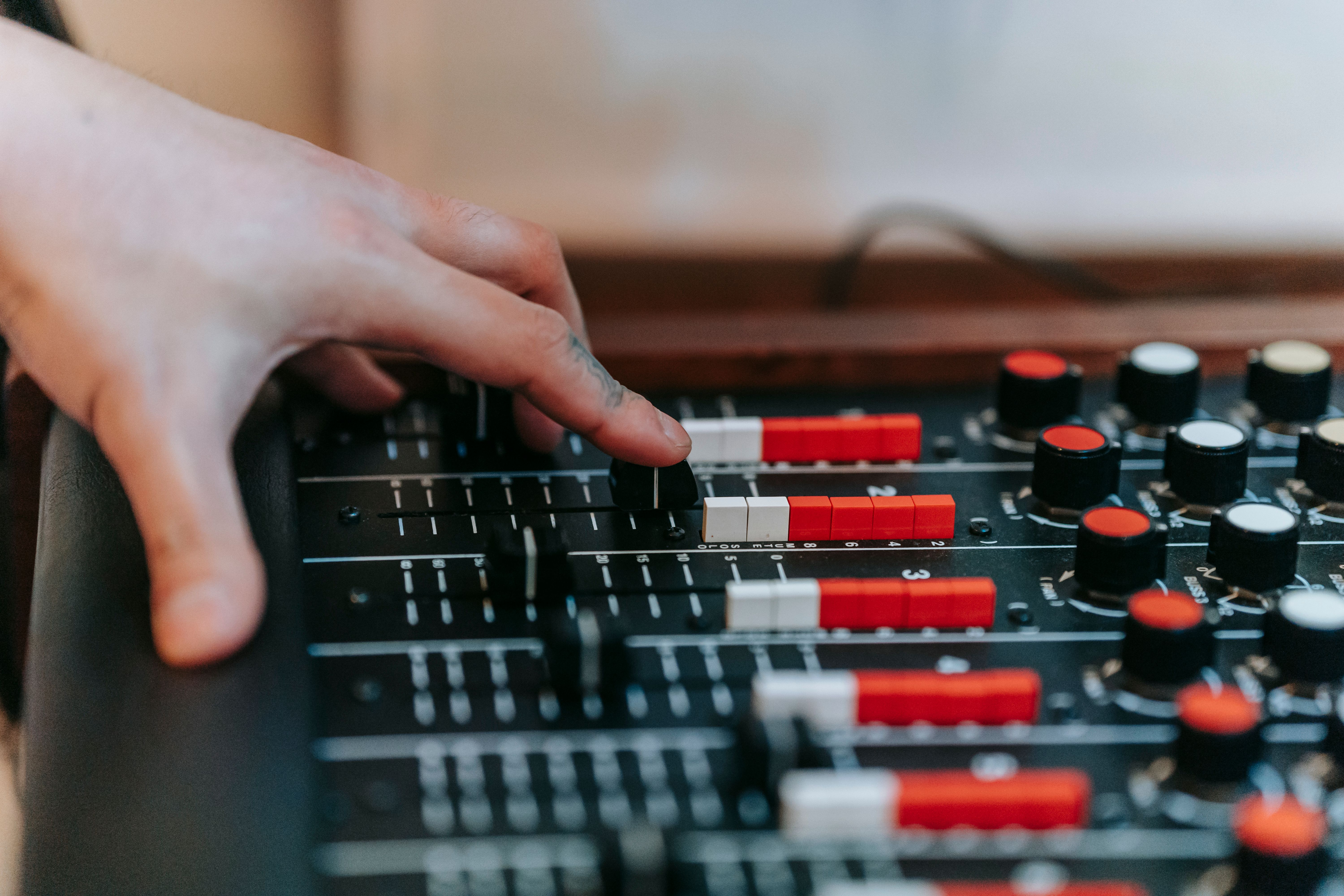
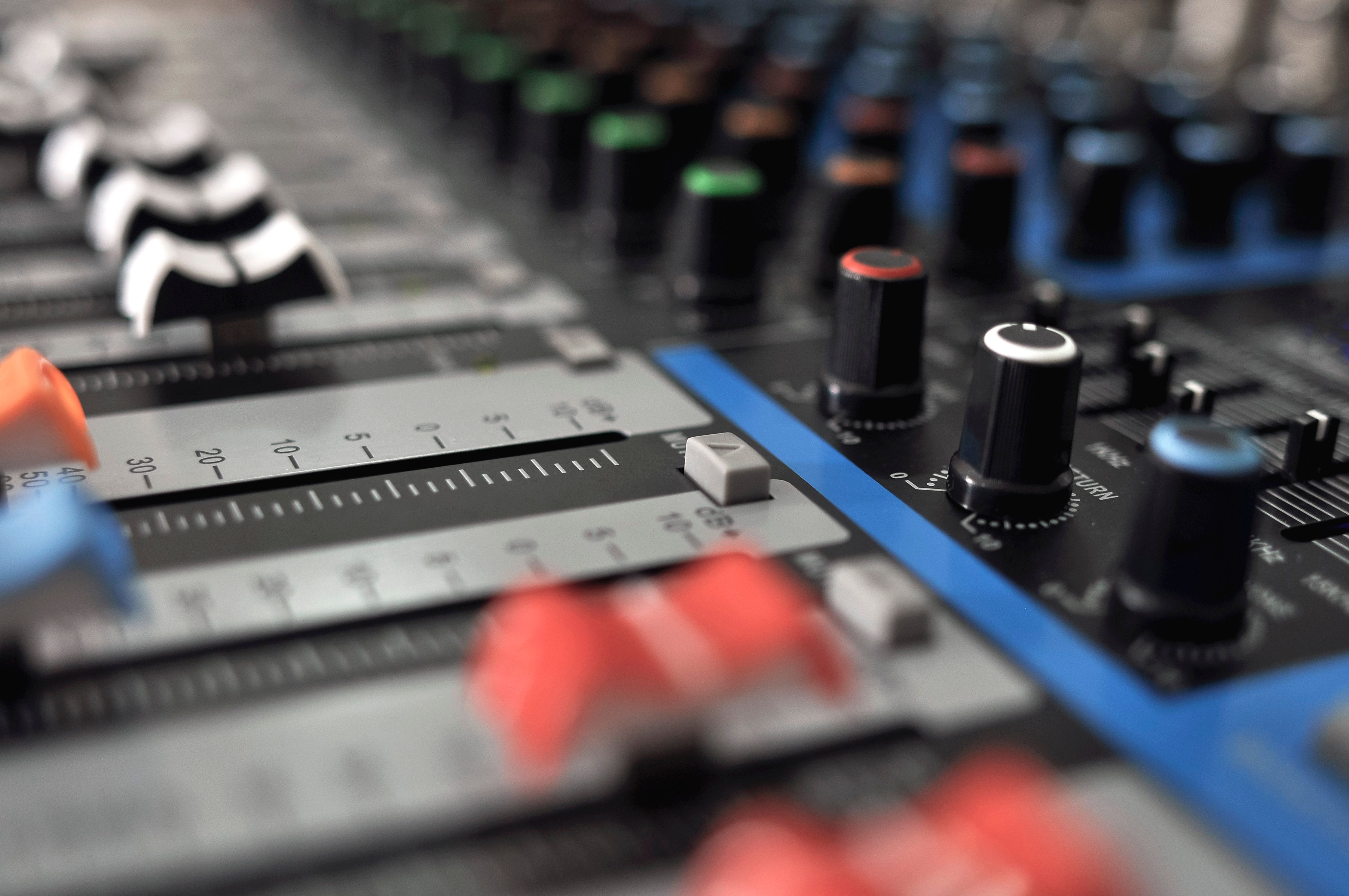
Careful mixing decides which sounds the player notices first and which fade into the background.
Academic work backs up what experienced developers have long suspected. A 2024 study published in Applied Sciences examined how different kinds of game audio affected players of League of Legends. The researchers separated background music, ambient sounds that describe the game world, and character sounds generated by the player’s own actions. In their second experiment, character sounds had a significant effect on immersion, avatar identification and fun, while ambient sounds showed a weaker, non-significant influence on flow. The authors also noted that the type of gameplay appears to matter, since sound seemed more important when players were free to explore than during a purely performance-based task. You can read the full paper in the MDPI open-access article.
The takeaway is that not all sound carries equal weight. In a competitive shooter, the footstep of an approaching opponent may do far more to shape expectations than a background soundtrack. In an exploration game, the wind and birdsong may build a sense of place that the player expects the world to keep delivering.
Feedback Sounds and the Reward Loop
Small adjustments to volume and tone can change how rewarding a single action feels.
Feedback sounds are where expectation and motivation meet. A coin pickup that clinks satisfyingly makes players want to collect the next one. A weapon that thuds with weight makes them expect a hit to matter. Interviews with audio designers, reported in a recent study of game sound practice, describe rewarding sound effects as a motivator that encourages players to explore and investigate. One designer put it simply: if a sound is unpleasant, players may do the action less often, while beautiful sounds invite repetition.
The same study pointed to acoustic detail as a factor. Footsteps that vary in loudness to suggest distance, or surround sound that helps a player locate an enemy, tell the player that the world is consistent. When those details are present, players begin to expect them everywhere. When they vanish in a later section, the change is noticed, even if the player cannot name it.
Nostalgia, Arcades and the Expectations We Bring
Classic arcade cabinets set expectations through bleeps, buzzers and jingles that many players still recognise.
Players do not arrive at a game with blank ears. They bring years of experience with films, television and earlier games, and those experiences shape what a sound should mean. Classic arcade machines are a good example. Their short, bright bleeps and descending tones taught a generation that a score increase should be loud, fast and celebratory. When modern games reuse that language, players recognise it instantly, and the nostalgia itself becomes part of the reward.
Researchers and practitioners also point out that personal taste matters. Some players love a particular style of music or enjoy a game with the audio turned up, while others switch sound off almost every time they play. For those players, the influence of sound is much weaker, which reminds designers that expectations are shaped by the audience as well as the code.
Immersion, Silence and Believability
Sound also decides whether a game world feels believable. A forest with no ambient noise, a city street without distant traffic, or a spaceship corridor with no hum all feel slightly wrong, because the player expects the environment to sound like a real place. Even when players are busy with the task in front of them, a sudden change in the soundscape can break the illusion. Silence can be just as powerful. A sudden drop in noise before an attack can raise tension more effectively than a loud cue, because it trains the player to expect that something is about to change.
Headphones bring the smallest details of a game’s soundscape to the player, which makes every cue more persuasive.
For developers, the lesson is to treat sound as part of the game’s logic rather than a finishing layer. Every effect is a small message about what the game will do, how the player should feel, and what they can count on. When those messages stay consistent, players trust the game and feel confident exploring it. When they are used with intention and occasionally broken, they create surprise, dread or delight.
Closing Thoughts
Sound effects influence player expectations because they work faster than thought. A chime, a footstep or a sudden silence tells the player what to anticipate before they have time to reason about it. Designers who understand this can use audio to guide behaviour, reward effort and build worlds that feel alive. Players, in turn, learn to listen closely, and that attention is one of the most valuable things a game can earn.
We use cookies to ensure that we give you the best experience on our website. If you continue to use this site we will assume that you are happy with it.